
Here's the thing about new partners and toys
You're attracted to them. Things are going well. And somewhere between the second and sixth date, a thought surfaces: what if I brought a lemon vibrator into this? What if I told them I wanted to use one together?
Then the spiral starts. What if they think you're not satisfied? What if they feel like they're not enough? What if it kills the mood or makes things weird?
Let me say this clearly: the shyness is normal. The worry is understandable. But the assumption that a partner will react badly to a clitoral vibrator is almost always wrong. In my 20+ years working with couples, I've seen the opposite pattern far more often. When one person introduces a toy thoughtfully, the other person feels trusted, feels like they matter enough to be honest with, and often feels relieved that the conversation is finally happening.
Why new partners actually welcome the conversation
Here's what I tell clients: a new partner doesn't know your body the way you know it. They don't know what makes you feel good, what angle works, what pattern brings you to orgasm. They're learning. Introducing a lemon vibrator isn't admitting they're not enough. It's giving them useful information.
Most partners (across all genders and orientations) experience one of two feelings when you say, "I'd like to explore using a clitoral vibrator together." The first is relief. They've been wondering how to make you feel better and have no map. You're offering one. The second is curiosity. New toys often mean new shared experiences, which deepens intimacy faster than almost anything else in early dating.
There's a third feeling, less common but real: some people feel a tiny sting of ego. They might interpret it as criticism. That's where the how matters more than the what.
The conversation frame that actually works
Don't lead with the toy. Lead with desire.
Instead of: "I want to use a vibrator because you're not hitting the right spot," try: "I've been thinking about what turns me on, and I'd love to explore it with you. I want us to try something together."
The second version is true, it's warm, and it reframes the toy from a corrective tool to a shared adventure. Notice what's missing: apology, qualification, or defense.
Timing matters. Don't bring this up mid-sex or right after sex when emotions are raw. Pick a calm moment. A walk. Coffee. Bed in the morning. Somewhere neutral where you can both think clearly.
Start with curiosity, not justification. "I've always wanted to try lemon vibrators. They feel different than other toys because of the suction stimulation. Would you be interested in exploring that together?" That phrasing assumes yes. It's warm without being needy.
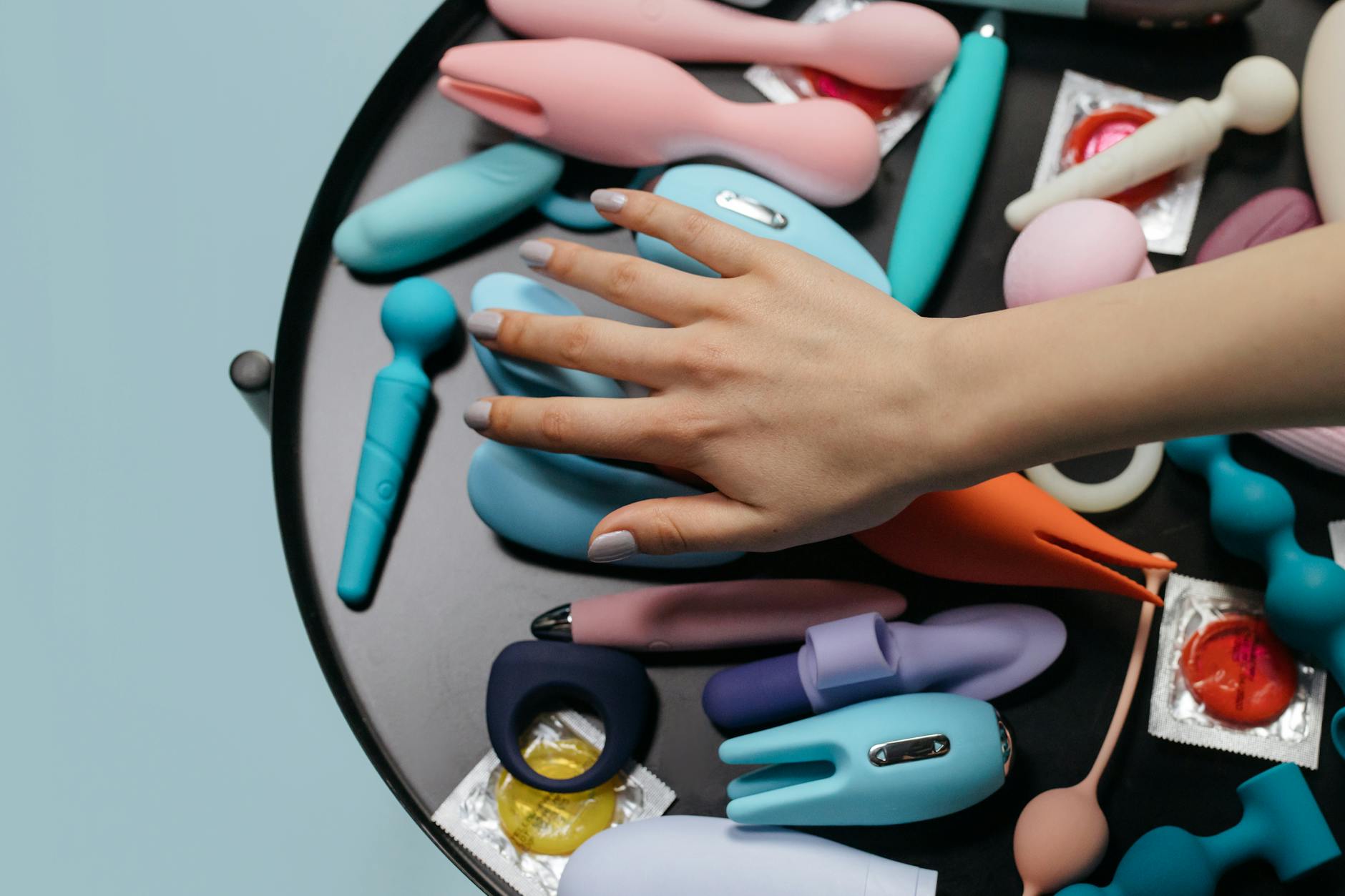
Photo by cottonbro studio on Pexels
What to do if they hesitate
Some new partners will pause. They might ask: Why do you want this? Is something wrong? Will we always need it?
Those are fair questions, and they deserve honest answers. Not defensive ones.
"Why do you want this?" Answer: Because I'm curious. Because I like pleasure, and I like pleasure with you. Because exploring together makes me feel closer to you.
"Is something wrong?" Answer: No. This is about expanding what we enjoy, not fixing something broken. Think of it like trying a new restaurant together. You weren't unsatisfied with the old one. You're just interested in experiencing more.
"Will we always need it?" Answer: We'll use it when it feels good to use it. Some sessions yes, some no. Just like any tool in any part of your life.
If your partner is still hesitant after that, don't push. Let them sit with the idea. Say something like: "I wanted to be honest with you about what I enjoy. No pressure. Let me know if you want to try it." Then drop it. Forcing the conversation kills intimacy faster than any toy ever could.
How to actually use a lemon vibrator together for the first time
Once they're in, here's what changes the game: make it collaborative, not performative.
Suction vibrators like Hello Nancy's lemon clitoral vibrator work because they stimulate the external clitoris without direct vibration. This means your partner can use it on you while maintaining eye contact, while kissing you, while staying connected. That's the magic you're inviting them into.
Start clothed or partially clothed. Let them hold it, feel the suction pattern, understand how it works without the pressure of "this needs to lead to an orgasm right now." Some people are nervous about toys. Demystifying it removes the worry.
When you transition to skin, guide them. "Higher a bit. Slower. That rhythm right there." Not as criticism. As discovery. You're teaching them something about your body, and most people find that deeply intimate.
Let them feel what happens in your body. Breathing changes. Movement. Sounds. These are signals, and new partners who see them often feel a profound sense of being wanted and trusted.
If orgasm happens, great. If it doesn't, that's fine too. The win here is that you've shared something vulnerable and it went well. That's the foundation for everything else.
What happens after the first time
You've used a lemon vibrator together. The moment is over. Now what?
Don't overthink it. A simple, "That was really good" or "I liked that" is enough. You don't need to debrief every feeling. You also don't need to pretend it was more significant than it was. Just let it exist as a good shared experience.
If they liked it, they'll probably want to do it again. If they felt neutral, they might need time to warm up. If they seemed uncomfortable, check in later, outside the bedroom. "I noticed you seemed unsure during that. Are you okay?" gives them space to say what they actually felt without shame.
One crucial thing: own the toy. Don't ask permission to use it. Store it in your space, keep it with your things, use it solo when you want. This signals that it's not a negotiation or a phase. It's part of how you experience pleasure, with or without them. Partners respect that kind of groundedness far more than they respect apology or explanation.
The bigger picture: why this matters
A lot of new relationships fail because one person never tells the other what they actually want. Years in, someone realizes their partner doesn't know them at all. The conversation about a clitoral vibrator is not actually about the toy. It's about whether you can be honest. Whether your needs matter. Whether you trust this person with your vulnerability.
If a partner responds with shame or rejection to you saying, "I want to explore pleasure with you using this toy," that tells you something true about them. Not about whether the toy is wrong. About whether they're the right person.
Most people surprise you. They lean in. They're grateful you trusted them. And the relationship deepens because you were willing to be honest first.
People also ask
What if my partner says no to using a lemon vibrator together?
Honor that boundary for now. But follow up later with curiosity, not frustration. "I noticed you weren't interested in trying the vibrator. I'm curious what's behind that." It might be religious beliefs, past experiences, body image insecurity, or just newness. Once you understand the actual reason, you can decide what you want to do. Some boundaries are deal-breakers. Some are just resistance that softens with time and trust. You'll know which is which only if you ask.
Is it different with partners who've been with you longer?
Yes and no. Long-term partners already know your body, so there's less discovering to do together. The conversation might be easier because you've built trust. But it can also be harder because they've grown accustomed to your pleasure patterns and anything new can feel like criticism. With long-term partners, lean on the research angle: "I read that lemon vibrators use suction instead of direct vibration. I'm curious what that would feel like." That's less about you wanting more and more about exploring together.
Will using a toy make my partner feel less involved?
Not if you frame it right. A lemon clitoral vibrator is not a replacement for your partner. It's an addition that lets them participate in your pleasure differently. They're still involved. They're just using a different tool. In fact, many partners say that watching their partner use a toy feels more intimate than anything else because it combines pleasure, vulnerability, and trust all at once.
What if I'm worried they'll think I've used toys with exes?
First, let go of that worry. Your sexual history is yours. But if you're afraid they'll ask, you can address it preemptively. "I've been thinking about what I enjoy, and I'm interested in exploring this with you." That statement doesn't confirm or deny anything. It just says you want to move forward together. If they ask directly, decide whether you want to share details. You don't owe a full inventory. You owe honesty.
How do I know if my new partner is genuinely okay with it or just going along?
Watch their actions, not just their words. Do they engage with curiosity? Do they ask questions? Do they want to try it again? Or do they seem to tolerate it as something you want? Real comfort shows up as playfulness, interest, and initiating it themselves eventually. Fake comfort shows up as compliance. Trust that difference, and act accordingly.
Is there an age or relationship stage where this conversation becomes easier?
Generally, yes. People in their thirties and forties tend to be more comfortable with toys than people in their twenties. Long-term relationships have more safety for vulnerability than new ones. But neither of those things is absolute. Some 22-year-olds are wildly sex-positive and some 50-year-olds carry deep shame. The real factor is whether your partner has done their own emotional work. Someone who's reflected on their feelings about pleasure, bodies, and vulnerability will respond well regardless of age. Someone who hasn't will struggle regardless. Pay attention to how they talk about sex in general, and you'll get a sense of whether this conversation will land well.
One more thing
Let's be real: you're nervous because you care. You're thinking about their feelings and the relationship and whether this is the right move. That thoughtfulness is exactly what makes you the right person to introduce this conversation. You're not doing it recklessly. You're doing it with intention and care.
Trust that. Trust yourself. And remember that wanting pleasure and wanting to share it with someone you're attracted to is not shameful. It's human.
If you want more guidance on how to explore different sensations with a new partner, or if you're building confidence after sexual trauma, Hello Nancy has resources that go deeper. And if you have questions about how to start the conversation, how to choose the right toy, or how to navigate any part of this, get in touch. You don't have to figure it out alone.