
Rebuilding pleasure after trauma is possible, but it's not linear
Let's start with something nobody says enough. Sexual trauma doesn't just change how your body responds to pleasure. It changes your relationship with your own body. Control, choice, and the simple ability to trust your own desires get tangled up in ways that can take years to untangle. The path back isn't about forcing yourself to want things again. It's about reclaiming the ability to choose what feels good.
This is where many of my clients get stuck. They think healing means returning to the version of themselves that existed before the trauma. But that's not how this works. Healing means building something new. Something you get to design this time.
Why traditional vibrators often feel like the wrong fit
Most standard vibrators rely on direct, continuous stimulation. The vibration hits the same nerves, the same way, every time. For someone rebuilding a sense of safety and control in their body, this can feel invasive or overstimulating. The intensity can trigger hypervigilance. The predictability can feel constraining rather than comforting.
Lemon clitoral vibrators work differently. Instead of constant buzz, they use suction and pulsing patterns that mimic the rhythm of actual touch. The sensation is gentler on entry, more gradual in intensity, and easier to pause or modulate in real time. For someone who needs to feel in control of the experience, this matters enormously.
The other thing lemon sexual toys offer is permission to slow down. You're not trying to build toward an orgasm. You're trying to reconnect with what pleasure feels like on your own terms.
The healing advantage of tools you can control
After sexual trauma, the concept of consent becomes very personal. You might intellectually understand that you're in control now, but your nervous system doesn't always believe it. When you're holding the toy, you set the pace. You decide when to start, when to pause, when to stop. You decide if today is a day for ten seconds or ten minutes.
With lemon clitoral vibrators specifically, you also control the intensity. Start on the lowest setting. You don't have to work toward stronger sensations. There's no performance. There's no pressure to climax. Some days, reconnecting with a basic sensation of pleasure that feels safe is the entire goal, and that's valid.
This is the opposite of what trauma often did. Trauma took choice away. Healing starts when you get to make the small decisions again. Vibrator on or off. Toy placement. Duration. Pressure. These tiny choices rebuild the neural pathways that say "my body is mine."
Starting over means starting small, and that's the point
If you're rebuilding after trauma, you might notice your body feels like a stranger. Sensation might feel muted or confusing. Or you might find that certain touches trigger an immediate "no" response before your brain can even register why.
This is where a lot of people make a mistake. They assume they need to feel aroused or horny to begin. You don't. You can use a lemon vibrator simply to reorient yourself with neutral sensation. Not sexual sensation. Just sensation. What does this feel like? Does it feel safe? Do I want more, or less? These are the real questions.
Many of my clients find that their first sessions involve vibrator use that has nothing to do with orgasm. They're simply learning what their body can feel without fear. They're building a library of sensations that feel good, or at least safe. That becomes the foundation.
When you're ready to connect pleasure with those sensations, you'll know. The lemon clitoral vibrators will still be there, still giving you that same level of control.
The nervous system piece nobody talks about enough
Trauma lives in your nervous system as much as it lives in your mind. Your amygdala has learned to say "threat" in situations that are actually safe. Rebuilding sexual confidence isn't just about changing your thoughts. It's about teaching your nervous system that pleasure can be safe again.
This is slow work. It takes consistency, but not pressure. Every time you use a lemon vibrator and nothing bad happens, your nervous system gets a tiny piece of data. Safety is possible. Your body can feel good. You're still in control.
Some of my clients use vibrators as part of a broader grounding practice. They might light a candle, set a timer, and give themselves permission to stop anytime. The vibrator becomes part of a ritual that says "this time is for me, and I'm safe." Over time, these rituals can rewire how your nervous system responds to touch.
When to bring a partner into this process
If you have a partner, they need to understand something fundamental. This rebuilding isn't about them. It's not about fixing your sex life together. It's about you reclaiming your own body. Partners sometimes interpret this as rejection, and that confusion can derail the entire process.
What helps is clarity. "I'm using this tool to rebuild my own sense of safety and pleasure. This is for me. Eventually, there might be ways we explore together, but right now, this is about my healing." A partner who gets this can be genuinely helpful. They can respect your boundaries, celebrate your progress, and give you space to move at your own pace.
If you want to eventually include a partner in pleasure, lemon clitoral vibrators can actually make that conversation easier because you've already proven to yourself that the sensation feels good. You have a reference point. You know what you like.
Practical things to know when you're starting out
Three things make the difference between a practice that feels supportive and one that feels forced.
First, set no expectations. Some days you'll use the vibrator for two minutes and feel accomplished. Some days you'll use it for fifteen minutes and feel nothing but safety. Both days count. This isn't about quantity or intensity. It's about consistency and permission.
Second, create a small ritual. This could be as simple as a specific playlist, a particular time of day, or a particular space in your home where this happens. Your brain and body thrive on predictability after trauma. A small ritual tells your nervous system "this is a safe container for this practice."
Third, expect setbacks. Healing isn't linear. Some days, something will remind your nervous system of the trauma, and pleasure will feel inaccessible again. That doesn't mean you're failing. It means you're human. On those days, you can skip the vibrator. Or you can use it for thirty seconds, just to remind yourself that choice and control are still yours.
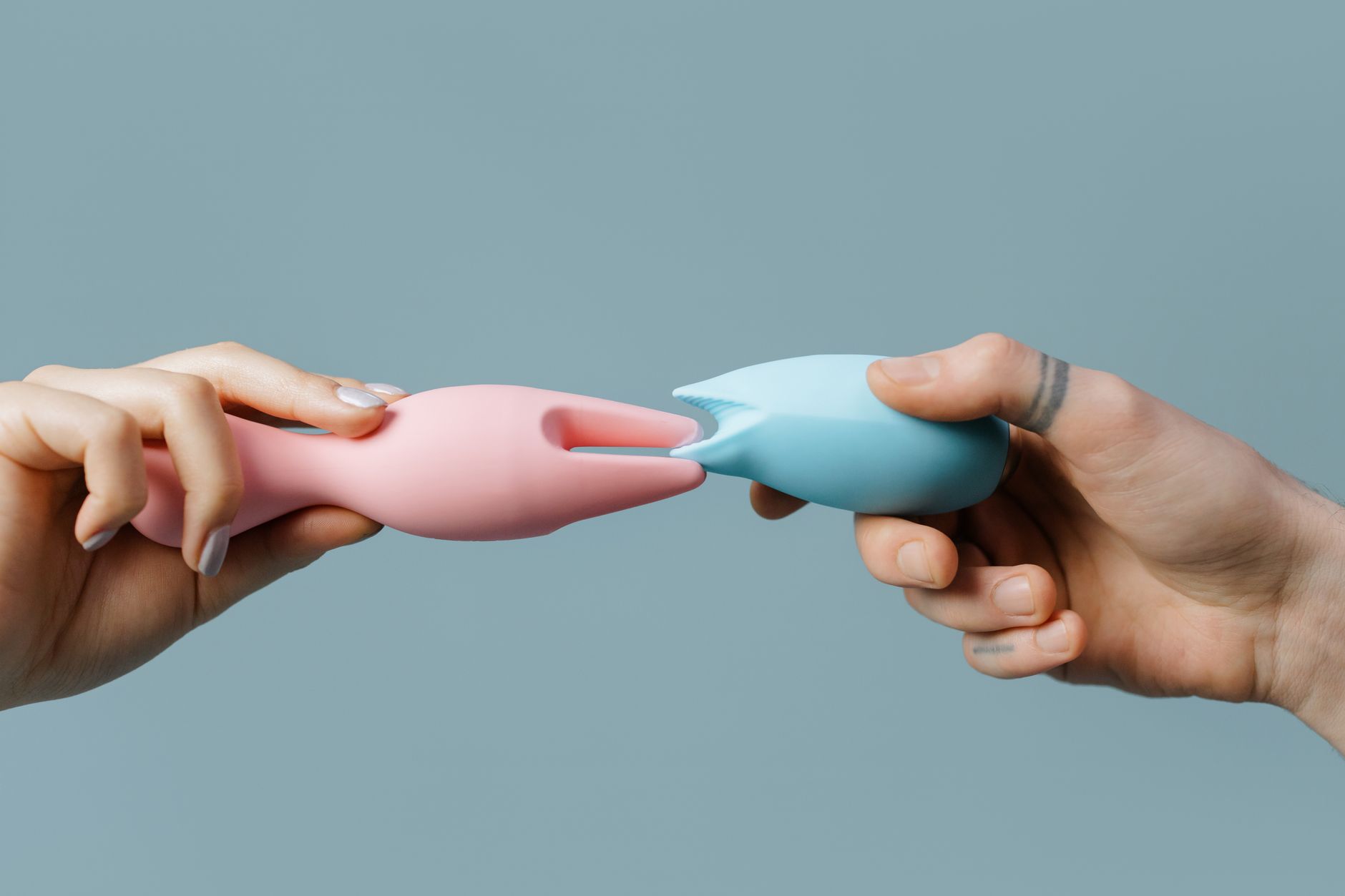
Photo by cottonbro studio on Pexels
Building sexual confidence is about reclaiming your narrative
Sexual trauma has a way of stealing your story. The narrative becomes "this is what happened to me." Rebuilding confidence means slowly rewriting the narrative to "this is what I choose for myself now."
A lemon clitoral vibrator is just a tool. But it's a tool that puts you in control. You hold it. You decide when to use it. You decide how long. You decide if it feels good or if you want to try something else. Each of these tiny decisions is an act of reclamation.
Over time, these small moments of choice and pleasure accumulate. Your nervous system gets evidence that your body can feel good safely. That you can trust yourself. That pleasure belongs to you, not to anyone who hurt you.
This work takes patience. There's no timeline. Some people move through it in months. Others take years. Both are completely normal. What matters is that you're moving in the direction of your own healing, at your own pace, with tools that support your sense of agency.
If you're in therapy, consider sharing this practice with your therapist. They can help you integrate it into your broader healing work. If you're not in therapy and trauma recovery is part of your life right now, that's worth exploring too. Pleasure alone won't heal trauma, but pleasure reclaimed intentionally? That's powerful.
People also ask
Is it normal to feel nothing when using a vibrator after trauma?
Completely normal. Trauma can create emotional numbing as a protective mechanism. Numbness isn't failure. It's your nervous system doing exactly what it learned to do to keep you safe. Feeling nothing one session and feeling something the next is also normal. The goal isn't to feel anything specific. It's to be present with whatever arises, without judgment.
Can lemon vibrators trigger flashbacks or retraumatization?
It's possible, especially early on. This is why starting small and slow matters. If a vibrator does trigger something, that's also data. You can pause, use grounding techniques, and come back to it when you feel safe. Working with a trauma-informed therapist alongside this kind of exploration is really valuable. They can help you process what comes up.
How do I know if I'm ready to use a vibrator for pleasure after trauma?
There's no perfect moment. Some people feel ready when they've done some therapy work. Others feel ready when they've simply given themselves permission. One useful marker is this. Can you touch your own arm without fear? Can you apply lotion to your own body and notice it feels pleasant? If you can do those things, you have some baseline capacity to reconnect with safe touch. That's a starting place.
Should I tell my partner I'm using a lemon vibrator for trauma recovery?
That's your choice. Some people find that transparency builds trust and helps partners understand the healing process. Others prefer privacy during this phase. There's no right answer. What matters is that you're not hiding something that creates distance. If you choose to share, frame it as "I'm using this tool to rebuild my own sense of safety and pleasure." That's accurate and sets the right expectation.
What if using a vibrator makes me feel ashamed or guilty?
Shame often comes with trauma. It's not truth. It's a side effect of what happened. If shame comes up, pause and notice it. This is actually important work. Shame dies when you bring it into the light and examine it. You're not doing anything wrong. You're reclaiming your body. That's an act of courage, not something to feel guilty about.
Can lemon vibrators help with sexual aversion after trauma?
Yes, but gently and over time. Sexual aversion is your body's way of saying "I don't feel safe." A lemon clitoral vibrator can help because it puts you fully in control and introduces sensation gradually. But aversion is often about more than just the physical sensation. Working with a trauma-informed therapist while you use these tools makes the process significantly more effective. You're retraining your nervous system, and that takes both time and support.
What comes next is up to you
Recovery after sexual trauma isn't about returning to normal. It's about building a new normal where your pleasure belongs to you again. Where your body feels like home instead of a crime scene. Where you get to choose what happens in it.
A lemon clitoral vibrator can be part of that journey. But the real healing happens in the small moments. When you say yes to yourself. When you pause and check in. When you set a boundary and it holds. When you realize that your body can feel good, and that good feeling is yours.
If you're working through trauma recovery and you want support, we're here. Reach out to Hello Nancy, and we can talk about what tools might work best for your specific situation. And if you want to explore a lemon clitoral vibrator as part of your practice, we have those too.
Your healing matters. Your pleasure matters. You matter.