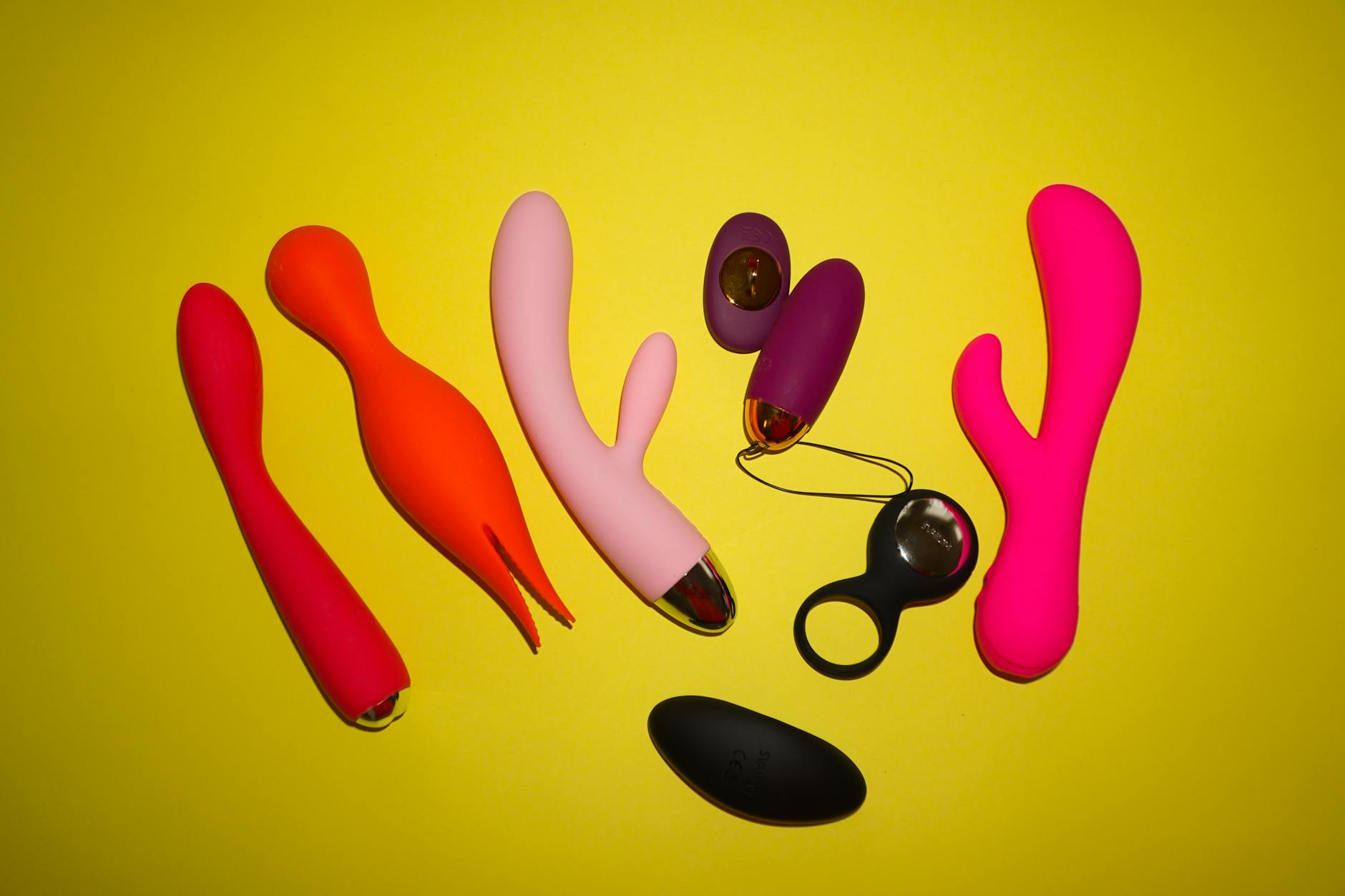
Here's what no one tells you about antidepressants and pleasure
They work. They really do. SSRIs pull you out of the fog, stabilize your mood, and give you your life back. And then your body goes quiet in ways that feel like betrayal. Orgasm becomes harder to reach. Arousal feels distant. Sex goes from something you want to something you endure. You're not broken. Your medication is doing its job. Your nervous system just got recalibrated, and that recalibration has a cost.
Here's the thing: this problem has a name, and it has solutions. And one of the most effective solutions is something you might not expect.
What medication does to sensation and why
SSRIs, SNRIs, blood pressure medications, antihistamines, even some birth control formulations. They all work on neurotransmitters and blood flow in ways that ripple out to the genitals. SSRIs specifically increase serotonin, which is great for mood but can suppress dopamine. Dopamine is your pleasure neurotransmitter. Less dopamine means less drive, less sensitivity, slower arousal.
Antidepressants also affect genital blood flow. When blood doesn't rush to your clitoris as quickly or as fully, tissue takes longer to swell and become responsive. Orgasms, when they happen, feel muted. The intensity drops. Some people describe it as watching pleasure happen to someone else's body.
But here's what matters: this is not permanent. And it's not your fault. Your brain chemistry shifted for medical reasons that were worth it. Now you're allowed to engineer a solution.
Why clitoral vibrators work differently for medication-dulled sensation
There are three reasons lemon vibrators and other clitoral suction toys work better than traditional vibrators when medication has flattened your sensation.
First: they bypass slower arousal cycles. Traditional vibrators require the baseline arousal to be fairly high before they feel good. If medication has slowed your blood flow, you're starting from a much lower baseline. A lemon clitoral vibrator uses gentle suction that doesn't wait for full arousal. It stimulates nerve endings directly, so you don't have to build up as much initial response to feel something strong.
Second: the sensation is concentrated, not diffuse. When your nervous system is dampened by medication, broad, gentle vibration often feels like nothing. The clitoral vibrator creates sustained, focused stimulation that cuts through that fog. You feel it immediately because it's localized and rhythmic.
Third: suction engages a different neural pathway. Vibration stimulates one set of nerve fibers. Suction stimulates others. If vibration has stopped working or started feeling numb, switching to a lemon vibrator or other suction toy activates fresh pathways your medication hasn't equally dulled. It's like finding a route around traffic.
The practical setup that actually works
Four adjustments make a dramatic difference when you're using a lemon vibrator or other clitoral toy while on medication that affects sensation.
Start with longer foreplay. Thirty to forty minutes instead of fifteen. This isn't because you're slower now (you might not be). It's because you're building arousal depth, not just speed. Let your body settle into the experience.
Use a water-based lubricant every time. Medication that reduces blood flow to genital tissue can also reduce natural lubrication. Lube is not a workaround for broken arousal. It's a tool for deeper sensation. It reduces friction that might otherwise dull the experience even more.
Start at lower intensity and build. The lem vibrator has different settings. Many people on SSRIs find that starting at pattern 1 or 2 and working up over ten minutes creates better sensation progression than jumping straight to intensity 4. Your nervous system is recalibrating. Give it permission to wake up gradually.
Explore different angles and pressures. Because medication dulls sensation unevenly, what worked three months ago might not work today. Spend time finding the exact angle and pressure that your body responds to right now. This changes month to month. That's normal.
When to talk to your doctor about switching or adjusting
First: you should not stop your medication. If your antidepressant or blood pressure med is working, stay on it. But your doctor absolutely needs to know that sexual side effects are affecting your quality of life.
There are three conversations worth having.
One: dosage. Sometimes a lower dose preserves the benefit while reducing sexual side effects. This is worth asking about, though it doesn't always work.
Two: timing. Taking your SSRI at a different time of day sometimes helps. An SSRI taken at night might leave your daytime sexual response less flattened. Talk to your prescriber.
Three: switching medications. Some SSRIs have lower rates of sexual dysfunction than others. Bupropion, in particular, is less likely to cause sensation dulling. If your current med is working but the side effect is severe, a switch might be worth discussing.
Don't feel guilty about raising this. Sexual function is part of your health. A good prescriber will take it seriously.
How lemon vibrators fit into longer-term sensation recovery
Using a lemon vibrator when medication has numbed your pleasure isn't just a workaround. It's part of your nervous system learning to wake back up. When you use a clitoral vibrator consistently, you're training your body to recognize and amplify sensation. Over months, some people find that their baseline sensitivity improves even without any change in medication.
That said, how lemon vibrators help with anorgasmia and difficulty reaching orgasm is a longer conversation. The short version: consistent use of effective stimulation (like a lemon suction toy) can help your nervous system rebuild its pleasure pathways.
One thing I want to be clear about: if you're partnered, talk to your partner about this. Sexual side effects from medication are medical, not relational. But your partner might interpret your quieter response as distance or loss of interest. Bringing them into the solution (whether that means they're involved or they're simply informed) prevents the emotional gap from widening.
The science behind why sensation comes back
Your nervous system is plastic. It adapts. When you introduce consistent, effective stimulation through something like a lemon vibrator, your brain starts rebuilding the pleasure circuits that medication temporarily quieted. This isn't instant. It usually takes four to eight weeks of regular use to notice real change.
But it works. Because you're not fighting the medication. You're not asking your body to do something it can't. You're meeting it where it is and giving it the strongest possible signal about what sensation feels like. Repetition matters.
Questions people actually ask
Will using a vibrator make the numbness worse over time?
No. The opposite is true. Regular, effective stimulation actually helps your nervous system rebuild sensitivity. What can happen is that you build tolerance to one specific toy if you use the exact same setting and angle every single time for months without variation. Switch it up. Rotate between different patterns on your lemon vibrator. Try different angles. Give your nervous system novelty.
How long does it usually take to feel normal again after starting to use a clitoral vibrator?
Most people notice shifts in sensation within two to four weeks of consistent use. Real improvement in baseline arousal and orgasm intensity usually takes six to twelve weeks. But you don't have to wait that long to feel something. Many people feel more pleasure the first time they try a lemon vibrator than they've felt in months.
If my medication is the problem, why not just go off it?
Because the depression or anxiety or high blood pressure comes back. For most people, the medication is more important than the sexual side effect. That doesn't mean you have to accept permanent numbness though. You have options that work alongside your medication rather than against it. How to use lemon vibrators safely during hormonal shifts and medication changes covers this in more depth.
Can you use a lemon vibrator if you're also taking other medications?
Almost certainly yes. A lemon clitoral vibrator is a mechanical tool. It interacts with your body, not your bloodstream. The only exceptions would be if you have a medical condition where intense pelvic stimulation is contraindicated (very rare, and your doctor would have told you). Otherwise, a lemon vibrator is safe to use regardless of what else you're taking.
Does sensation come back if I eventually switch medications?
Often yes, especially if you switch to a medication with fewer sexual side effects. But the sensation recovery is faster if you've been using effective stimulation (like a lemon suction toy) in the meantime. You've already been rebuilding those pathways. When the medication changes, you've got momentum.
Is there a best time of day to use a lemon vibrator when you're on an SSRI?
Many people find that morning or early afternoon works better than late evening when SSRI levels in the bloodstream are highest. But this varies. Track what works for you. Some people find that using a lemon vibrator right before taking their medication actually improves sensation because they're starting from a slightly less suppressed baseline. Experiment.
The bottom line
Antidepressants work because they change your neurochemistry. That change has a cost sometimes. But that cost is not permanent, and it's not something you have to live with. A lemon vibrator is a tool that works with your body's current capacity, not against it. It stimulates sensation directly, bypasses the dulled arousal pathways, and trains your nervous system to wake back up. Used consistently, it often restores pleasure in weeks or months, even while you stay on the medication that's keeping you stable.
Your pleasure matters. Your mental health matters. You don't have to choose between them. You just have to be intentional about building back sensation while your medication does its job.
If you want to explore how to approach this conversation with a partner or how to choose the right tool for your specific situation, reach out. You're not alone in this.