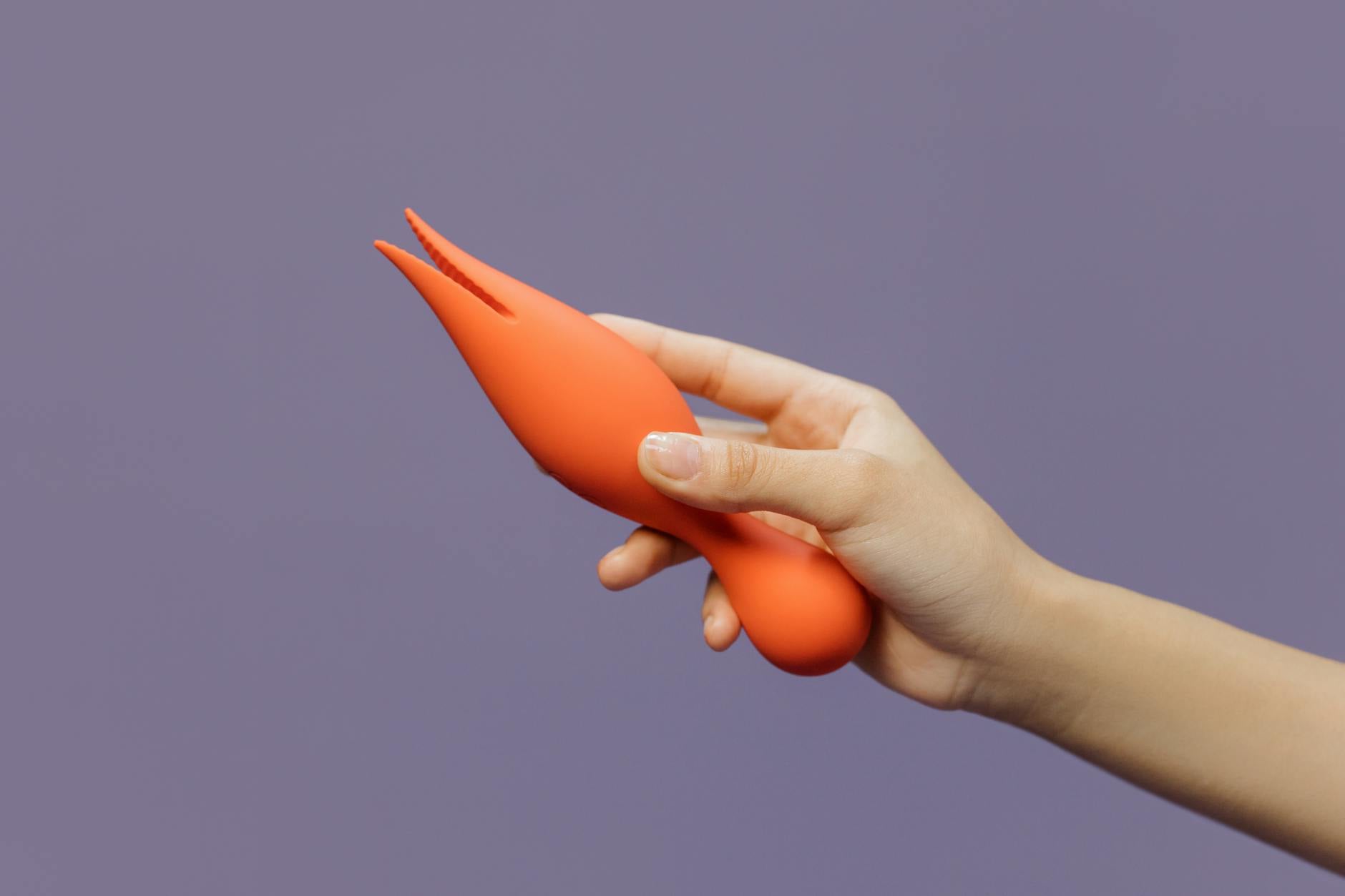
Here's the thing about your body on new medication
Your hormones and medications are quietly running the show. They control sensation, lubrication, arousal speed, and how intensely orgasms feel. When either one shifts, your lemon vibrator suddenly feels different. Not broken. Different. And that matters because most people panic instead of adjusting.
I've worked with hundreds of clients navigating this exact moment, and the pattern is always the same: they assume something is permanently wrong, when really their body just needs a recalibration plan.
What hormonal shifts actually change
Estrogen affects tissue thickness and elasticity, lubrication, and clitoral sensitivity. Progesterone influences arousal speed and orgasm intensity. Testosterone drives desire itself. When any of these shift, even slightly, your response to a lemon clitoral vibrator changes immediately.
The same is true for medications. SSRIs, birth control, blood pressure drugs, antihistamines, and many others alter blood flow, sensitivity, and lubication. Some people report deadened sensation. Others notice arousal takes three times longer. A few report intensified sensitivity. All of this is normal.
The key insight: a change in how your body responds is not a sign to stop using your lemon vibrator. It's a sign to adjust your approach.
Track your cycle if you have one
If you menstruate, arousal shifts measurably across the month. During the follicular phase (days 1-14 of your cycle, roughly), estrogen is rising and clitoral sensitivity often peaks. This is when you might find lower intensity settings on your lemon vibrator feel more satisfying than usual.
During the luteal phase (days 14-28), progesterone dominates and many people need higher intensity, longer warm-up time, or both. Arousal doesn't disappear, but it's more deliberate.
Perimenopause throws another wrench in because hormones don't follow a predictable pattern anymore. You might have a high-sensitivity week, then a week where nothing lands. Track what you notice for two to three cycles. Patterns emerge. Once they do, you can plan around them instead of being surprised by them.
Medication effects on sensation and lemon vibrator response
SSRIs are the most common culprit. They improve mood and anxiety by increasing serotonin, but serotonin also regulates blood flow to the genitals. If you've recently started an SSRI or increased the dose, reduced sensation or delayed orgasm is extremely common. It usually stabilizes after 4-8 weeks, but during that window you might need to:
- Start with higher intensity on your lemon vibrator (don't feel guilty about this)
- Spend more time building arousal before introducing the vibrator
- Experiment with different patterns if your model has them
- Add more lube, even if you didn't need it before
Antihistamines dry out mucous membranes, which means less natural lubrication. Your lemon clitoral vibrator might feel uncomfortable without external lube, or intensity might feel sharper. Water-based lube becomes non-negotiable here.
Birth control pills shift estrogen levels (sometimes radically, depending on the formulation). Some people experience heightened sensitivity on lower-dose pills. Others find sensation dulls. If you've switched formulations recently and your pleasure response has changed, give your body two to three months to adapt. In the meantime, adjust intensity and warm-up time as needed.
Temperature and timing matter more than you think
When hormones or medications shift, your body's baseline arousal state is already different. This means the timing and context of when you use your lemon vibrator matters more than it did before.
If arousal feels sluggish, avoid using your vibrator immediately after a meal, when you're tired, or when you're stressed. Your body is dividing resources. Digestive work, fatigue, and cortisol all compete for the blood flow you need for arousal and sensation. That's not a personal failing. It's physiology.
Same goes for temperature. When your body is warm, blood vessels dilate and sensation improves. Some clients report that a warm bath or shower before using their lemon vibrator completely changes the experience during hormonal lows. Others find that simply waiting until they're fully alert makes the difference.
None of this is complicated. It's just intention and awareness.
The lube conversation gets more important
Water-based lubricant is always a good idea with silicone toys like the lemon vibrator. But when hormones shift or medications change, it becomes essential. Here's why: reduced estrogen, certain medications, and dehydration all decrease natural lubrication. External lube compensates and also makes stimulation feel smoother, less intense, and more sustained.
If you find your lemon clitoral vibrator feels uncomfortable or too intense during a hormonal shift, adding lube before you would normally need it is one of the fastest fixes. It changes the entire sensation profile.
Don't use silicone lube with silicone toys. Water-based is the safe choice. And if you're starting new medication or experiencing a hormonal shift, keep lube within arm's reach before you start. Stopping mid-session to find it breaks the momentum.
When sensation feels completely numb
If you've recently started medication or your hormones have shifted significantly and sensation feels completely absent, you have three moves:
First, wait two to four weeks. Sometimes the nervous system adapts and sensation returns on its own. This is especially true with SSRIs or hormonal birth control.
Second, talk to your prescriber. Some medications have alternatives that cause fewer sexual side effects. Your doctor needs to know this is happening. "I'm experiencing reduced sensation" is a valid medical concern, not something to work around in silence.
Third, in the meantime, try a slightly different approach with your lemon vibrator. Some people find that using it with a partner (them controlling the pattern and intensity while you focus on receiving) creates more mental engagement, which can help bypass physical numbness. Others find that extended warm-up time, or using their vibrator at different times of day, shifts what becomes possible.
If sensation remains completely absent after four weeks and your prescriber confirms it's medication-related, ask about alternatives. You deserve pleasure. That's not negotiable.
Pain during shifts needs immediate attention
If your lemon vibrator suddenly causes pain or discomfort where it didn't before, stop using it and investigate. Pain during a hormonal or medication shift usually signals one of three things: reduced lubrication (fixable with lube), increased tissue sensitivity (needs a lower intensity or gentler approach), or an underlying condition that needs medical attention.
Hormonal shifts can sometimes trigger genitourinary syndrome (thinning of vaginal tissue) or other conditions that make stimulation uncomfortable. This is treatable. But first you need to know what's happening. Talk to your GP or gynecologist. Describe the pain clearly. They can confirm whether it's a side effect of medication, a hormonal shift, or something else entirely.
Don't assume your body is broken. Assume it's sending information. Listen.
Build in a reset period when things change
Here's what I tell clients: when you start new medication, switch birth control, or notice your cycle has shifted significantly, give yourself permission to not use your lemon vibrator for two weeks. Not as punishment. As a reset.
Spend those two weeks exploring what arousal feels like in your body right now. Masturbate without your vibrator. Notice sensation, speed, intensity needs. Get reacquainted with your baseline. Then reintroduce your lemon clitoral vibrator and notice how it compares.
This simple practice prevents the spiral where you assume something is wrong because your vibrator doesn't feel the same as it did. Of course it doesn't. You're different. Your body is working with new chemical conditions. Meeting that change with curiosity instead of panic makes everything easier.
FAQ
Does birth control affect how a lemon vibrator feels?
Yes, noticeably. Birth control pills contain hormones that shift your estrogen and progesterone baseline. Some formulations increase sensitivity, others dull it. If you've recently switched pills and your lemon vibrator response has changed, give your body two to three months to adapt. After that window, if the change persists and bothers you, talk to your doctor about trying a different formulation. You shouldn't have to choose between contraception and pleasure.
Can SSRIs make lemon vibrators stop working?
SSRIs don't make them stop working, but they can delay arousal and make sensation feel muted. This is temporary for most people and usually settles within 4-8 weeks. During that window, you might need longer warm-up time, higher intensity, or extra lube. If reduced sensation persists beyond two months, ask your prescriber if an alternative medication is available. Some SSRIs have fewer sexual side effects than others.
What's the safest lube to use with a lemon vibrator during hormonal shifts?
Water-based lube only. It's safest with silicone toys, and when hormones shift or medications change, you want one variable you can trust. Keep it accessible, apply generously, and reapply as needed. Dehydration can affect natural lubrication, so staying hydrated also helps.
How long does it take for my body to adjust after starting new medication?
Most hormonal or medication adjustments stabilize within 4-8 weeks. Some take up to three months. During this window, your lemon clitoral vibrator might feel different each time you use it. That's normal. Track what you notice. After 8-12 weeks, patterns emerge and you'll know whether this is a temporary shift or something that needs a conversation with your doctor.
Should I stop using my lemon vibrator if my hormones shift?
No. You should adjust how you use it. Lower intensity, more lube, different timing, longer warm-up. These simple changes usually fix the disconnect. The goal isn't to avoid your vibrator. The goal is to use it in a way that works with your body as it is right now, not as it was six months ago.
What if my lemon vibrator feels painful after a medication change?
Stop using it and talk to your doctor. Pain signals that something needs attention, whether that's more lube, a medication adjustment, or an underlying condition that's emerged. Don't power through pain. Get clarity first, then adjust. Your pleasure matters too much to ignore this.
Bottom line
Your body is always changing. Hormones shift. Medications alter how your nervous system works. That's not a problem to fix. It's information to work with. Your lemon vibrator can still be part of your pleasure, but how you use it needs to shift with your body.
Give yourself permission to adjust. Lower the intensity. Use more lube. Wait a few weeks for your nervous system to adapt. Track what works. Talk to your doctor if something feels wrong. And remember: a change in how your body responds is just a change. It's not a loss. It's usually just a recalibration.
If you're unsure whether your shifts are normal or need medical attention, reach out. We're here to help you figure it out.