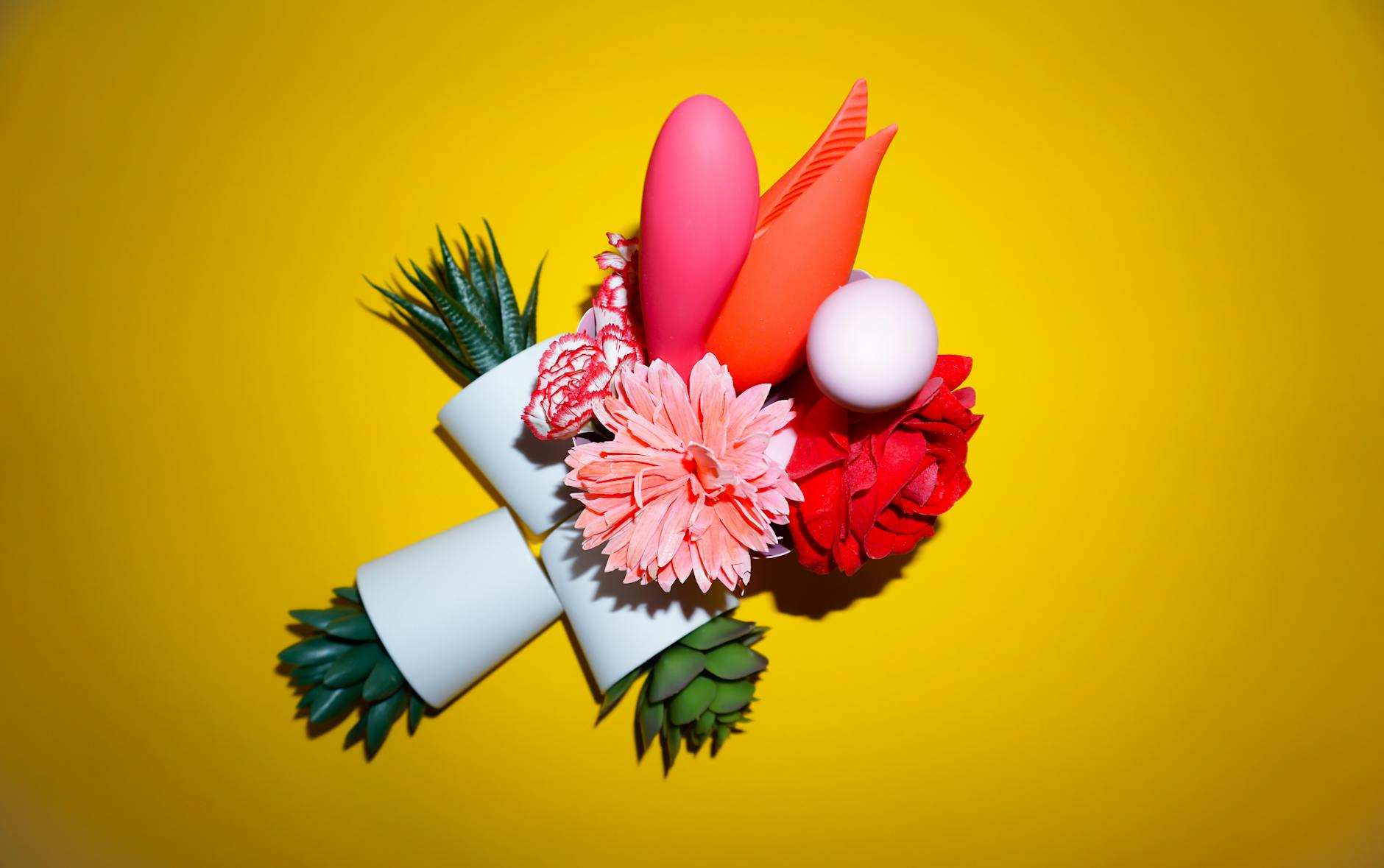
Why Lemon Vibrators Are Better for Clitoral Sensitivity: What Science Says
Here's the thing about your clitoris: it's packed with more nerve endings per square inch than almost any other part of your body. That's why direct vibration can feel overwhelming, uncomfortable, or even painful after just a few minutes. But there's a better way.
Lemon vibrators work differently than traditional vibrators. Instead of buzzing directly against tissue, they use gentle air-pulse suction to stimulate the entire clitoral complex. The result? More sensation, less irritation, and pleasure that builds differently. Let me explain how this works and why it matters for sensitive bodies.
The clitoris is more complex than you think
Most people imagine the clitoris as a tiny button. It's not. The visible part (the glans) is just the tip. The actual organ extends internally in two wishbone-shaped arms called the clitoral crura, plus a connecting body called the corpus. When you stimulate the glans with a traditional vibrator, you're sending high-frequency pulses directly into dense nerve tissue.
Direct contact vibration triggers something called mechanical overload. Your nerves literally stop responding to the signal after a few minutes because they've adapted to the constant input. That's why you might feel numb or lose sensation mid-session, then recover sensitivity once you stop.
Lemon clitoral vibrators, by contrast, use air suction. This stimulates not just the glans but the entire external clitoral structure simultaneously. You're activating more nerve pathways at once, which means the sensation doesn't plateau as quickly. Many people find they can maintain arousal longer and experience more satisfying orgasms as a result.
How air-pulse suction actually works
The mechanism is elegant. A lemon sucker (or air-pulse vibrator) creates a gentle seal around the clitoris and then pulses that sealed space at varying intensities. This creates waves of pressure rather than point-contact friction.
Think of it like this: traditional vibration is someone tapping your arm really fast. Suction is someone gently squeezing your arm in rhythm. The second one stimulates deeper tissue and feels less abrasive because the force is distributed across a wider surface area.
When you use a lemon vibrator at lower intensities, you're not at risk of over-stimulating the glans. The suction can be sustained for 20, 30, even 45 minutes without the numbness that often derails traditional vibrator use. This is especially valuable if you have vulvodynia, post-menopausal tissue changes, or naturally sensitive skin.
Sensitive clitoris, sensitive skin: different problems, same solution
Sensitivity comes in two flavors. First, there's neurological sensitivity: your nerves respond strongly to stimulation, sometimes too strongly. Second, there's dermatological sensitivity: your skin is reactive, prone to irritation, or easily inflamed.
If you've experienced raw skin or irritation from traditional vibrators, that's usually because repeated friction damages the thin epithelial tissue of the vulva. The clitoris has some of the thinnest skin on your body. Rough vibration or prolonged contact can cause micro-abrasions, swelling, or temporary nerve irritation.
Air-pulse lemon vibrators avoid this problem entirely. Because they don't rely on friction, there's no rubbing, no heat buildup from motor vibration, and no risk of skin damage. The sensation is created through pressure waves rather than mechanical movement across skin. If you've been avoiding toys because you're worried about irritation, this changes the game.
Why the sensation feels different (and often better)
Users frequently report that lemon clitoral vibrators produce different types of pleasure than traditional vibrators. Traditional vibrators tend to create fast, rhythmic stimulation that builds to orgasm quickly. Lemon suckers tend to build slower, deeper sensations that feel more expansive.
This is partly neurological. When you stimulate a smaller point of tissue (glans-only contact), you're triggering a narrower band of nerve fibers. When you stimulate a larger area through suction, you recruit more sensory pathways. Your brain receives more complex input, which often translates to a more nuanced, multifaceted experience.
Many people also find that suction-based orgasms feel different in their body. Instead of a sharp, localized release, they report a wave-like or rolling sensation that can spread through the pelvic floor and lower abdomen. This is because suction stimulates not just the glans but the internal crura as well.
The durability question: won't my sensitivity decrease?
Not in the same way. Remember, mechanical overload is the culprit. When you switch to air-pulse suction, you're not triggering that same adaptation response in your nerves.
Can you build tolerance to any consistent stimulation over weeks or months? Yes. But it happens much more slowly with suction-based toys, and it's usually less pronounced. Many Hello Nancy customers report using lemon vibrators regularly for years without losing sensation.
The best practice is to vary your patterns (most lemon suckers have 8-10 different pulse modes), take breaks of a week or two every month or two, and pay attention to how your body responds. If you notice diminishing returns, you probably need a rest period, not a new toy.
Combining lemon vibrators with other stimulation
One advantage of suction-based toys is that they play nicely with other input. Unlike traditional vibrators, which can feel chaotic when combined with other stimulation, a lemon vibrator creates a stable, sustained sensation that pairs well with penetration, partnered touch, or internal stimulation.
Many people find that a lemon clitoral vibrator on a gentle setting, combined with penetration or G-spot pressure, creates a fuller, more integrated sensation than either stimulation alone. This versatility makes them especially useful if you're exploring new sensations or trying to understand what your body actually enjoys.
The practical care factor
Because lemon vibrators don't rely on friction, they're gentler on the toy itself too. There's no wear pattern from rubbing against skin, no heat stress on the motor from sustained high-speed vibration. A well-made suction vibrator lasts longer and requires less vigilant cleaning than traditional vibrators.
That said, cleanliness matters. The seal mechanism means you need to clean the rim thoroughly after use. But compared to the maintenance requirements of other toys, it's straightforward and quick.
The bottom line on sensitivity
If you have sensitive skin, sensitive nerves, or a history of irritation from vibrators, a lemon sucker is genuinely worth trying. The difference isn't subtle. Many people report rediscovering pleasure they thought they'd lost, or experiencing orgasms that feel qualitatively different from anything they've felt before.
Your clitoral sensitivity isn't a problem to tolerate. It's information about what your body needs. A lemon clitoral vibrator is designed to honor that sensitivity rather than override it.
Common questions about lemon vibrators and sensitivity
Can a lemon vibrator be too intense if I'm very sensitive?
Yes, but the good news is that most lemon suckers start at very low intensities. If a traditional vibrator on setting 1 feels too strong, try starting at the lowest setting on a lemon sucker and building from there. The suction sensation feels different enough that many highly sensitive people find the lowest settings comfortable from the start. If intensity is still a concern, check the product specs for adjustable suction strength before purchasing.
Does suction feel weird the first time?
It can. The sensation is genuinely different from what you've probably experienced before. Some people need 2-3 sessions to understand what they're feeling and how their body responds. This is normal. Think of it like the difference between being touched by hands versus receiving a massage from a massage chair. Totally different input, but both pleasurable once you adjust.
Can I use a lemon vibrator if I have vaginismus or pelvic pain?
Maybe, and it's worth exploring with a pelvic floor therapist. The lack of friction makes suction-based toys safer than traditional vibrators for people with tissue sensitivity or pain conditions. However, pelvic pain is complex and individual. What works for one person may not work for another. If you have a diagnosed pain condition, ask your provider before introducing any new toy, and consider starting with a toy designed specifically for sensitive or painful penetration.
How often can I use a lemon clitoral vibrator without losing sensation?
Most people can use them daily without problems, but building in rest days (1-2 per week) is ideal for maintaining consistent sensation. If you notice that arousal is harder to achieve or that orgasms feel less intense, take a break for 5-7 days. This usually resets your sensitivity completely. The beauty of suction toys is that you can use them frequently without the numbing fatigue that traditional vibrators often cause.
What's the difference between a lemon vibrator and other suction toys?
Design quality matters a lot. A well-engineered lemon sucker (like Hello Nancy's Lemon toy) has a gentle, calibrated seal and thoughtfully designed pulse patterns. Cheaper suction toys often have seals that are too strong, creating an uncomfortable vacuum sensation rather than pleasant stimulation. If you're trying suction toys for the first time, invest in a quality toy from a reputable brand. The difference is noticeable and worth it.
Can my partner use a lemon vibrator on me, or is it only for solo use?
Absolutely, your partner can use it. The seal mechanism is controlled by them, and they can adjust intensity based on your feedback in real time. Many couples find this more interactive and communicative than traditional vibrators, which can feel more impersonal. If you're curious about how to use a lemon vibrator with a partner, start with communication: tell them what intensity feels good and ask them to watch for your responses.
Are lemon vibrators safe for all body types?
Yes. The seal mechanism adapts to different vulva shapes and sizes. If you have a larger or smaller vulva, a smaller or larger toy might be more comfortable, but the basic mechanism works across body types. The key is finding the right size and fit for your body, not the vibrator type itself.
Why do lemon vibrators sometimes feel more intense even at lower settings?
Because you're stimulating more tissue at once. A traditional vibrator on setting 5 might vibrate faster, but a lemon vibrator on setting 3 is likely stimulating a larger surface area. Faster doesn't always mean more intense; sometimes more surface area does. This is why so many people find they need lower settings on a lemon sucker and why they often feel more satisfied with shorter sessions.
Ready to try air-pulse suction?
If you've been frustrated by traditional vibrators, numbing sensitivity, or irritation, a lemon clitoral vibrator genuinely offers a different path. The science is sound, and the user experience matches the biology.
Start low, move slow, and pay attention to what your body tells you. Your clitoral sensitivity isn't a limitation. It's the map to what actually works for you. If you have questions about which Hello Nancy toy might suit your sensitivity level, reach out. I'm here to help you find what feels right.
Your pleasure matters. So does your comfort.