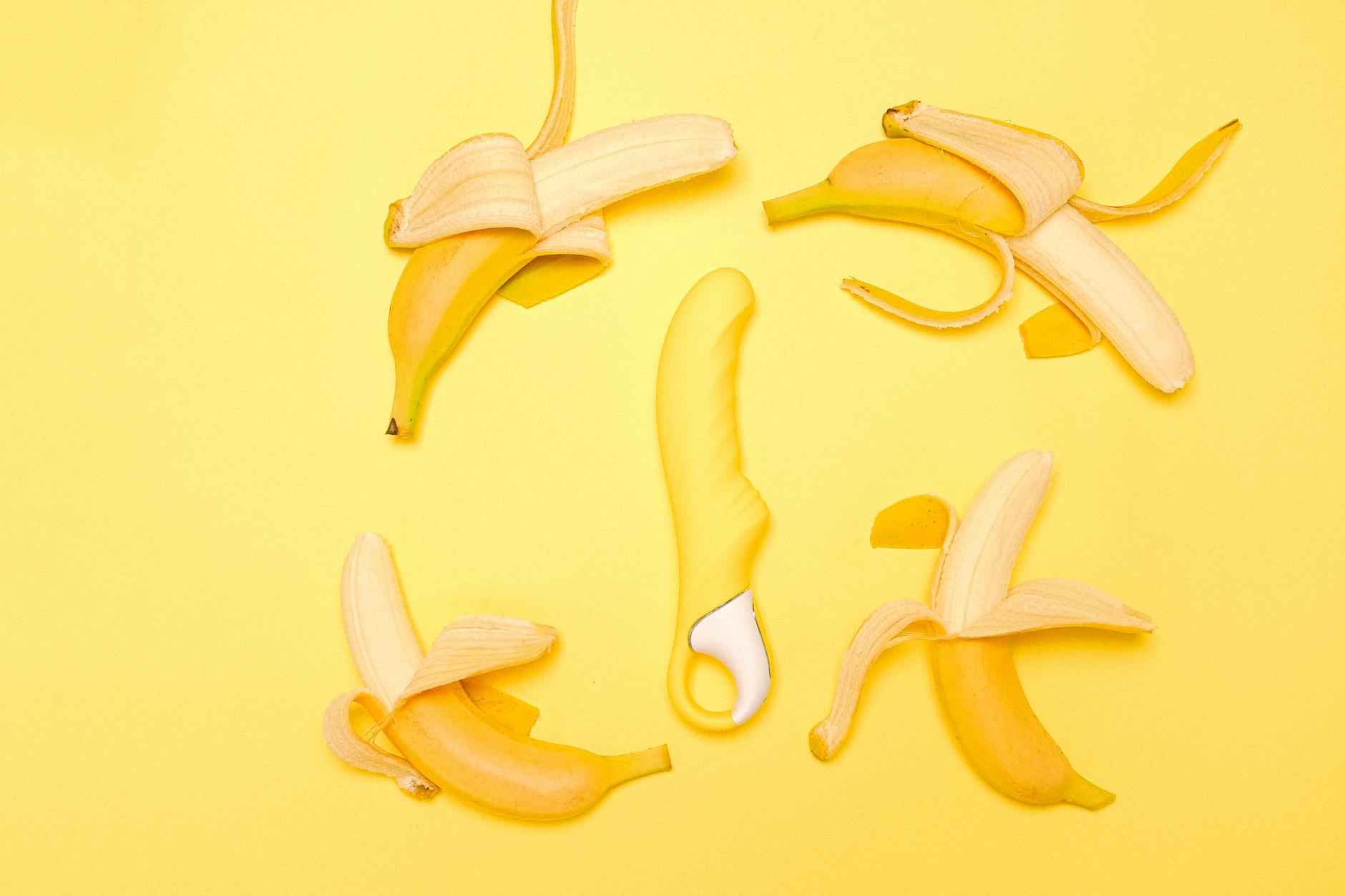
Does hormonal birth control actually change how you feel pleasure?
Honestly? Yes. Not in the way you might think, but the relationship between your hormones and how a lemon vibrator feels is absolutely real. The good news is it's completely workable once you understand what's happening.
Most people assume birth control either kills sensation or has zero effect. The truth is messier and more interesting than either extreme. Your clitoral response, sensitivity thresholds, and even orgasm intensity can shift depending on which contraceptive you're using and how your individual body responds to the hormonal load.
How hormonal birth control actually affects your body
Every hormonal contraceptive works by suppressing or altering your natural hormone cycle. The pill, the patch, the ring, the implant. They all flood your system with synthetic estrogen and progestin (or progestin alone, depending on the type), which prevents ovulation and thickens cervical mucus.
Here's where it gets relevant to pleasure: your vulva and clitoris aren't just sensitive because of nerve endings. They're also sensitive because of estrogen receptors embedded in the tissue. Estrogen makes tissue more plump, vascularized, and responsive. When you're on hormonal birth control, you're working with artificially elevated and constant hormone levels instead of your body's natural rise and fall through the cycle.
This doesn't mean pleasure disappears. It means the landscape changes.
Why some people feel less sensation on the pill
About one-third of people report decreased clitoral sensitivity while on hormonal birth control. It's not universal, but it's common enough that you shouldn't feel alone if this is you.
Two mechanisms are at play. First, synthetic hormones can reduce blood flow to the genitals slightly, which means less engorgement and a slower build to arousal. Second, constant hormone levels mean your body never hits the natural pre-ovulation surge of estrogen that typically amplifies sensation and desire. You're on a plateau instead of a wave.
Some research suggests that the type of progestin matters. Certain formulations are more likely to dull sensation than others. If you've noticed a drop in pleasure, it might be worth talking to your doctor about switching to a different pill, a lower-dose formulation, or trying the copper IUD instead (which has no hormonal component).
Why others feel the same or even better
The flip side: many people feel zero difference, and some feel heightened sensation on the pill. Why? Genetics, individual variation in hormone receptor sensitivity, and the specific pill formula all play a role.
If you've struggled with hormonal acne, mood swings, or irregular periods, your birth control might be genuinely balancing your hormones. For you, a steady state might feel better than a chaotic cycle. That stability can actually improve arousal and orgasm intensity because you're not fighting mood crashes or physical discomfort.
What this means for using a lemon vibrator
Here's the practical part. If you're on hormonal birth control and a lemon clitoral vibrator doesn't feel the way it used to, or feels different than you expected, a few things to check:
Warm-up time. You might need longer. If you usually build arousal in 5 minutes, budget 10 or 15 on hormonal contraception. The response is still there. It just travels slower.
Pattern preference. Lemon vibrators work through suction and pulsation. You might find the lower patterns feel subtle and the higher patterns feel perfect, or you might want to stay mid-range. Your preference might have shifted, and that's normal.
Lube. Even if you've never needed it before, try a quality water-based lubricant. Hormonal birth control can subtly affect natural lubrication, and lube bridges that gap without any weird feelings.
Mental focus. Sensation is partly neurological. If you're thinking about how it should feel versus how it does feel, that awareness actually dampens pleasure. Stay present instead of comparing to a baseline you might remember through a different hormonal lens.
Most people find that tweaking one or two of these elements makes a lemon clitoral vibrator work beautifully, even if initial sensation felt muted.
The copper IUD wild card
If you're using a copper intrauterine device (IUD), you're not on hormonal birth control at all. Your natural hormone cycle stays completely intact. This means clitoral sensitivity stays on its normal wave pattern, pre-ovulation surges and all.
Some people switch from the pill to a copper IUD specifically because they want their pleasure baseline back. Fair. Others don't notice much difference and prefer the predictability and lighter periods that hormonal options offer. There's no universal right answer.
The point: if sensation is your priority and you're curious about whether your current contraceptive might be a factor, the copper IUD is worth discussing with your doctor.
Hormonal implants and the pleasure question
The implant (like Nexplanon) releases a consistent, low dose of progestin directly into your bloodstream over three years. Because it's localized, you're not getting the same estrogen/progestin ratio as the pill, which sometimes means fewer sexual side effects.
People often report that the implant feels "lighter" than the pill in terms of mood and sensation impacts, even though it's technically a higher progestin load. Individual variation is huge, though. Some people love it. Others feel the same sensitivity dip they experienced on pills.
When to suspect your birth control is the culprit
If you can draw a clear line between starting a new contraceptive and noticing changes in arousal, sensation, or orgasm intensity, it's probably worth investigating. Keep notes for a few weeks. If sensation gradually returns or stabilizes, your body is just adjusting. If it doesn't improve by week 6 or 7, talk to your provider.
Also notice the timing. Some birth control changes take a full cycle or two to feel normal. Your brain needs time to adapt to new hormonal input, even if your clitoris adjusts faster.
How to talk to your doctor about pleasure and birth control
Your doctor should be able to handle this conversation without awkwardness. Say exactly what you're experiencing: "I've noticed my arousal or sensitivity feels different since starting this contraceptive. I'm wondering if there's a different option that might feel better."
If your doctor dismisses this or seems uncomfortable, that's a sign you might benefit from a provider who specializes in sexual health or a reproductive endocrinologist. This is a legitimate medical conversation.
The bottom line
Hormonal birth control can affect how a lemon vibrator feels, but the effect varies widely from person to person. If you're noticing changes, it's not in your head. Small adjustments to warm-up time, pattern choice, or lube often solve the problem. If they don't, having a frank conversation with your provider about your options is absolutely worth it.
Your pleasure matters enough to be part of your birth control decision.
People also ask
Does hormonal birth control reduce clitoral sensation?
For some people, yes. Synthetic hormones can subtly reduce blood flow to the genitals and eliminate the natural estrogen surge that typically amplifies sensation. About one-third of people on hormonal contraception report decreased sensitivity. That said, one-third report no change and another third report improvement. Your individual response depends on the specific formulation, your genetics, and how your body processes synthetic hormones. If you've noticed a drop in sensation, talk to your doctor about trying a different pill formula or considering non-hormonal options like the copper IUD.
Can the copper IUD improve clitoral sensitivity?
The copper IUD doesn't contain hormones, so it doesn't interfere with your body's natural hormone cycle. This means clitoral sensitivity stays on its regular pattern throughout your cycle. Some people switch from the pill to the copper IUD specifically to restore sensation they felt was muted on hormonal contraception. However, plenty of people on hormonal birth control feel no difference in sensitivity whatsoever. The decision should factor in your priorities around periods, insertion experience, and other health considerations, not just sensitivity.
Why does the pill affect how a lemon vibrator feels?
A lemon clitoral vibrator works through suction and gentle pulsation, which stimulate the thousands of nerve endings in the clitoris. Hormonal birth control affects blood flow to genital tissue and alters the thickness and responsiveness of the vulvar skin. It also eliminates the natural pre-ovulation surge of estrogen that typically makes you feel more aroused and sensation-sensitive. These changes can make a vibrator's pattern feel subtly different. Longer warm-up time, different pattern choices, or adding lubricant usually compensates easily.
Do different birth control pills affect sensation differently?
Yes. Pills with different progestin types and estrogen doses can have different effects on sexual sensation. Some formulations are more likely to dampen sensation than others. If you've tried one pill and noticed decreased arousal or sensitivity, switching to a different formula might help. Low-dose pills sometimes feel less restrictive than standard-dose options. This is a real conversation to have with your gynecologist. They can help you find a formulation that balances contraceptive effectiveness with your pleasure priorities.
How long does it take for sensitivity to return after starting birth control?
Your body usually needs about 6 to 8 weeks to fully adjust to a new hormonal contraceptive. During this time, you might notice shifts in sensation, lubrication, arousal speed, and mood. Some changes stabilize as your body adapts. Others persist. If you're 8 weeks in and still noticing unwanted changes, that's a reasonable time to ask your provider about other options. Don't assume you have to live with a change that affects your pleasure. You have choices.
Can I use a lemon vibrator safely while on birth control?
Absolutely. Hormonal birth control doesn't change the safety profile of sex toys or vibrators. Use your lemon clitoral vibrator exactly as you would without birth control. Clean it regularly, use water-based lubricant if you want to, and follow the manufacturer's care instructions. The only interaction to consider is this: if birth control has affected your natural lubrication, adding a water-based lube makes sense. Otherwise, your Hello Nancy toy works beautifully regardless of your contraceptive choice.