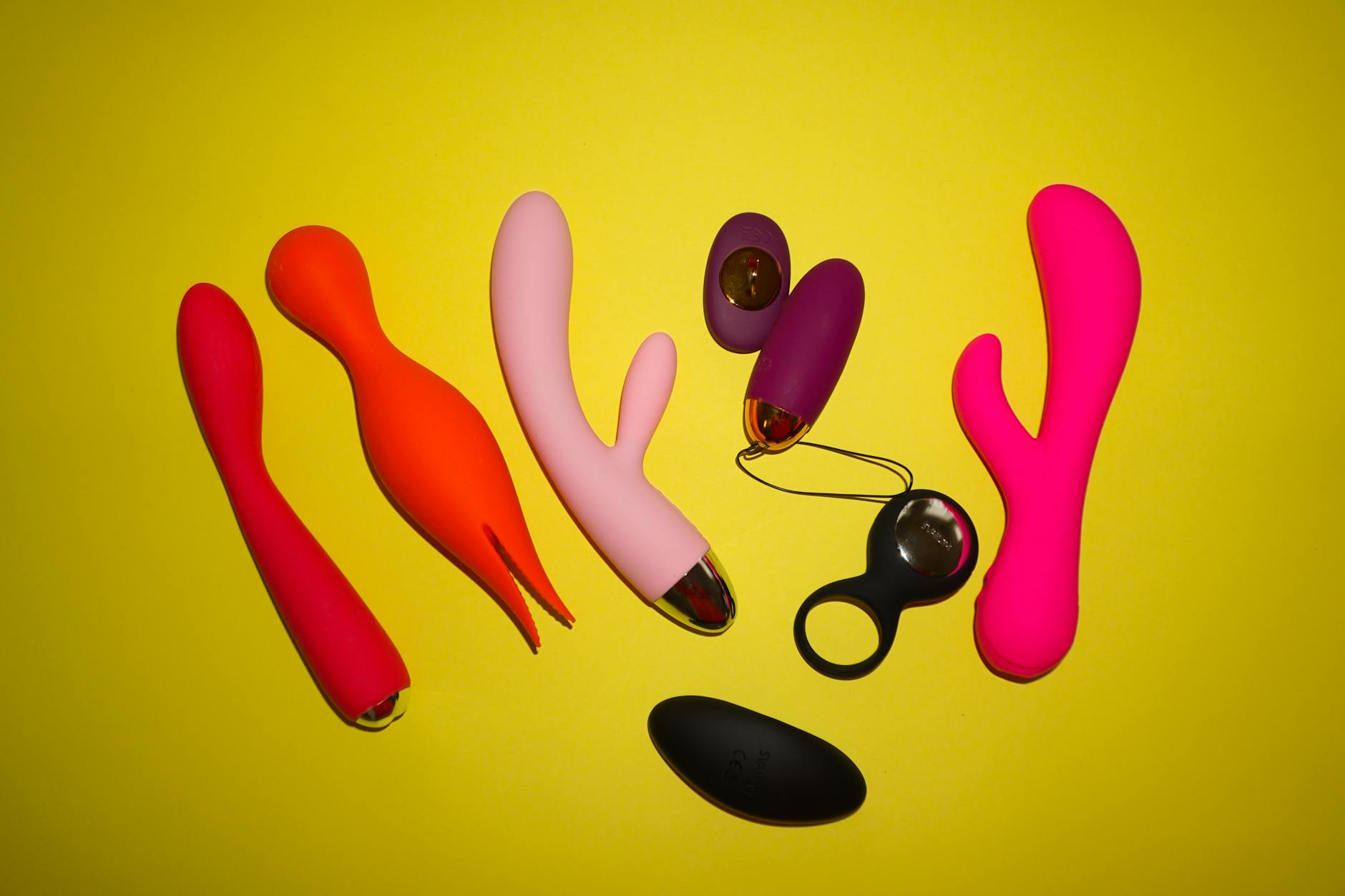
Here's the thing about performance anxiety
Performance anxiety isn't really about performance. It's about invisible measuring sticks. Your partner feels watched, graded, expected to deliver a specific outcome on a timeline that was never actually discussed. The harder they try, the more it backfires. Their body tenses, their mind checks out, and suddenly nobody's enjoying anything.
Lemon vibrators rewire this entire dynamic because they do something penetration can't: they remove the spotlight from one person's "job" and place it on mutual sensation.
Why performance pressure kills pleasure
When your partner feels like they need to "make it happen," their nervous system shifts into stress mode. Blood doesn't flow where it needs to. Arousal stalls. They start performing instead of connecting, which means you're both performing now. It's exhausting theater where nobody signed up to be an actor.
I've worked with countless couples stuck in this loop. One partner feels responsible for the other's orgasm, which creates a kind of sexual burden that no amount of enthusiasm can fix. The more pressure, the less sensation. The less sensation, the more pressure. It's a closed circuit heading nowhere.
What breaks the cycle is shifting from "Can you make me come?" to "What feels good right now, together?"
How external stimulation changes the pressure dynamic
When you introduce a lemon clitoral vibrator into partnered sex, you're redistributing responsibility in a way that sounds simple but changes everything.
Instead of one person trying to create all the sensation, you're both exploring sensation together. The person using the vibrator gets direct, targeted pleasure. The partner isn't responsible for creating it. They're invited to participate without being measured.
This is the magic of clitoral toys like lemon vibrators in couples play. They're not a replacement for your partner. They're a redirection of focus. Penetration happens if it feels good, but it's no longer the main event or the marker of success.
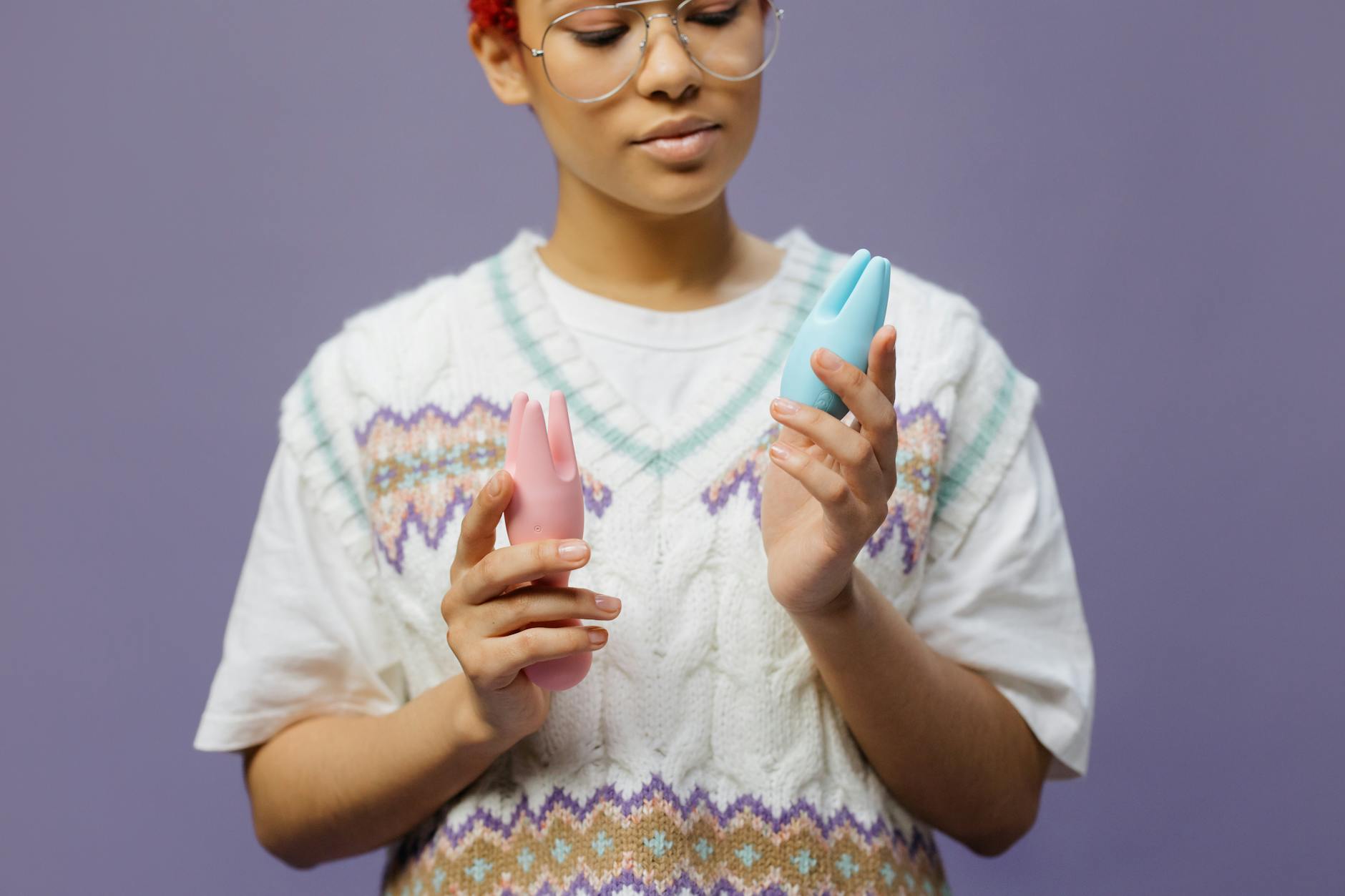
Photo by cottonbro studio on Pexels
The conversation before you introduce it
Don't bring a lemon vibrator into the bedroom as a surprise or a hint. Bring it as an idea. Tell your partner you want to explore something that might take pressure off both of you.
Here's what I suggest saying:
"I've been thinking about trying something together that might actually feel better for both of us. Not because anything's wrong, but because I want us to both relax and actually enjoy this without it feeling like work. Would you be interested in exploring that?"
Frame it as something you want together, not something you want because he's failing. Performance anxiety often comes with shame. Shame lives in silence. Breaking that silence with honesty is the first step.
If he resists, don't push. Ask what he's worried about. Is it that the toy makes him feel replaced? That it means you're not satisfied with him alone? That it's weird or unmasculine? Each worry needs its own honest answer. "I want you to feel less pressure because I love you" lands differently than "This is just for fun."
How to actually use a lemon vibrator together when anxiety is present
Start with foreplay and don't jump straight to the toy. Let arousal build naturally. When things feel warm and connected, introduce the vibrator as part of foreplay, not as the main event.
Have him hold it, or hold it together. This keeps him involved and active, not sidelined. The goal is collaboration, not removal.
Start at low intensity. The Lem vibrator, for example, has multiple settings. Begin at pattern one or two. You're building together, not racing to intensity.
Talk during this. Not clinical feedback, just natural check-ins. "That feels amazing." "A little to the left." "Slower." This running commentary does two things. It keeps him connected to your pleasure, and it removes the guessing game that feeds performance anxiety.
Penetration can happen, or it might not. That's okay. If it does, the vibrator can stay in place. Lots of couples find that clitoral stimulation during penetration changes everything. It's not an either-or. It's an and.
What happens in the longer term
Here's what I've observed clinically: couples who introduce external stimulation together often report less performance anxiety over time, even during sex without the toy.
Why? Because the pressure to perform a specific way has been disrupted. Your partner has learned that pleasure happens when you're both relaxed and exploratory, not when someone's trying to deliver results. That confidence transfers. When he's not anxious, his body responds better. When his body responds better, he's less anxious.
It's the opposite of the pressure spiral. It's a pleasure spiral.
The other thing that happens is deeper intimacy. You've had conversations about desire, anxiety, and what actually feels good. You've been vulnerable together. You've explored something outside the usual script. That shared novelty and honesty is relationship glue.
When to seek support beyond the bedroom
If performance anxiety is severe or shows up outside sex, it's worth exploring with a therapist. Sometimes it's rooted in early trauma, attachment patterns, or depression. A lemon vibrator will help, but it's not a substitute for professional support.
I'd also flag this: if your partner's anxiety shows up as anger, blame, or shaming you for wanting to explore, that's a separate issue. That's not performance anxiety. That's controlling behavior. You deserve a partner who can be vulnerable and curious, not defensive.
For most couples, though, the introduction of external stimulation is both practical and symbolic. Practically, it gets you both off. Symbolically, it says: "We're in this together, and pleasure is collaborative." Both matter.
FAQ
Is using a lemon vibrator during sex a sign my partner isn't enough?
No. Using a clitoral vibrator together is actually a sign that you're expanding what sex can be. Most people with vulvas can't orgasm from penetration alone. Adding external stimulation isn't a failure on your partner's part. It's working with your body's actual wiring. Your partner gets to be part of that, not erased from it.
Will a lemon clitoral vibrator make my partner feel replaced?
It can, but that's about conversation and context, not the toy itself. If you frame it as "You're not working," yeah, he'll feel replaced. If you frame it as "I want us both to feel amazing, and this helps me get there," that's collaborative. The toy serves the connection, not replaces it. You're literally holding it together.
How do I bring this up without making him more anxious?
Timing matters. Don't bring it up during or right after sex, when emotions and insecurity are hot. Bring it up when you're both relaxed and clothed. Make it about curiosity, not criticism. Say "I've been interested in trying this" not "Things haven't been working." Lead with what you want to explore together, not what's wrong.
What if he says no?
Respect that. But understand what the no is about. Is it discomfort with toys generally? Worry about his role? Shame about pleasure? Homophobia? Each reason needs its own conversation. Sometimes a no becomes a yes once the real fear is addressed. Sometimes it stays no. Either way, you've learned something valuable about what he needs.
Can we use a lemon suction toy if he has erectile dysfunction?
Yes, absolutely. In fact, the combination of a lemon vibrator with a partner who has ED is particularly freeing. External stimulation becomes the focus, which takes pressure off penetration entirely. His anxiety about "performing" drops significantly when there's zero expectation of a specific outcome.
How do I know which lemon vibrator to start with?
Start simple. The Lem is designed specifically for external clitoral stimulation and is versatile for solo and partnered play. It has adjustable intensities so you can start gentle. Consider your sensitivity and preferences. If you're new to toys, lower intensity options exist. If you want something that travels, the lolly vibrator is smaller. The investment is worth it because you'll actually use it.
The real shift
Performance anxiety in bed isn't solved by better techniques or longer duration. It's solved by removing the performance metric entirely. When you bring a lemon vibrator into partnered play with honesty and curiosity, you're saying: "This isn't about grading. This is about feeling good together."
That permission to relax is where real pleasure lives. And that's where actual intimacy follows.
If you're ready to explore this dynamic together, get in touch with us. We're here to help you navigate this conversation and find what works for your relationship.