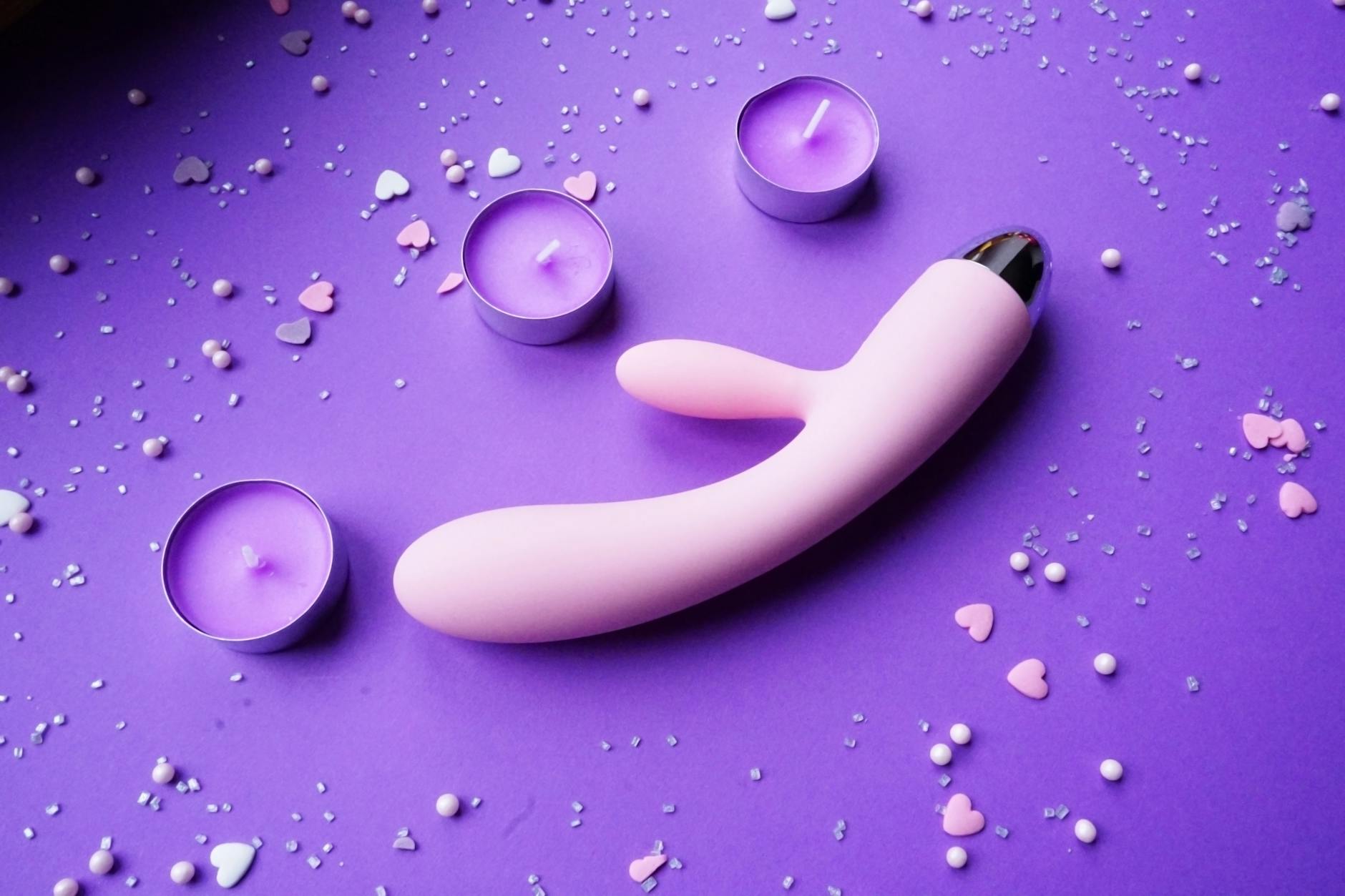
Here's what nobody tells you about touch sensitivity and vibrators
Touch sensitivity isn't a barrier to pleasure. It's information. Your nervous system is simply louder than others', which means you need a different setup. The good news: lemon vibrators, with their suction technology rather than pure vibration, actually work beautifully for sensory-sensitive bodies when you know how to calibrate them.
I've worked with plenty of clients who thought their sensitivity meant toys were off the table entirely. They were wrong. What changed everything was understanding that sensitivity isn't a yes-or-no switch. It's a spectrum you can navigate with the right approach.
What sensory sensitivity actually means physiologically
Your sensory nervous system processes stimulation differently. This might show up as sensory processing sensitivity, autism spectrum traits, or just how your body was wired. Your skin has the same nerve density as everyone else's, but those nerves fire more readily and send louder signals to your brain. That's not broken. It's just different bandwidth.
When it comes to genital touch specifically, high sensitivity often means:
- Direct friction feels overwhelming instead of pleasurable
- Vibrations (especially high frequency) can feel buzzy or numbing rather than good
- Pressure that feels gentle to others feels intense to you
- You need longer transition time between no stimulation and full engagement
Lemon vibrators actually solve several of these problems because suction works differently than traditional vibration. Instead of buzzing against tissue, suction creates a rhythmic pulse of pressure. For sensitive bodies, that pattern often feels more organized, less chaotic.
Why lemon suction toys can work better than traditional vibrators
A traditional vibrator is, at its core, something that vibrates very fast against your skin. For someone with high tactile sensitivity, that can feel like static noise. Lemon vibrators use air-pulse technology, which creates distinct waves of suction and release. Your nervous system can actually track that rhythm. It feels like something happening rather than something happening too much.
Second, suction creates pressure without friction. If direct touch feels raw or irritating, the lemon's design avoids that altogether. You're getting stimulation through a different pathway.
That said, even lemon vibrators need adjustment when you're touch sensitive. Here's how to modify them.
Start absurdly low and go slower than feels necessary
The Lemon has multiple intensity levels. Most people start at 2 or 3. If you're touch sensitive, begin at level 1. Yes, really. Spend at least two full sessions at level 1 before considering level 2. This sounds glacial, but your nervous system needs time to realize this stimulation is safe.
That's the core principle for sensory sensitivity: your brain is running a threat-detection algorithm. Every new sensation gets flagged as potentially dangerous. By spending time at low intensity, you're essentially saying to your nervous system, "This is fine. We're okay." Only then does the volume get turned up.
Plan for 15-20 minutes at the lowest setting before even thinking about increasing. Patience feels boring. It's actually revolutionary.
Lubrication becomes non-negotiable
Water-based lubricant isn't optional for sensitive skin. It's foundational. It reduces friction between the toy and your tissue, and it also creates a buffer that makes the sensation feel less direct and sharp. Use generously.
Many touch-sensitive people find that adding lube actually makes higher intensities tolerable, because the sensation becomes diffused rather than concentrated. You're essentially making the stimulation softer even when the device intensity stays the same.
Reapply as needed. This isn't wasteful. This is self-care.
Create a sensory container before you start
Sensory sensitivity often lives alongside a nervous system that's activated more easily overall. Before using a lemon vibrator, spend 10 minutes on intentional calming. This might look like:
- Dim or warm lighting instead of bright overhead lights
- Music you find soothing (or silence, if sound is overwhelming)
- A blanket or soft clothing you're wearing, not full nudity if that feels exposing
- Temperature control. Cool rooms feel overstimulating to many sensitive people. Warm feels safer.
- Privacy and zero chance of interruption
This isn't luxury. This is removing competing stimulation so your nervous system can focus on one thing rather than staying on high alert for threats.
Pattern matters more than intensity for sensitive bodies
Lemon vibrators offer different pulse patterns. If you find intensity overwhelming even at level 1, explore patterns instead. Some people find that a slower, rhythmic pulse (rather than steady or fast-pulse options) feels more manageable because it has a beat. Your brain can anticipate it.
Spend time with each pattern. Notice which one makes you feel engaged rather than defensive. That's your pattern. You might return to level 1 with that pattern for months before you ever increase intensity. And that's complete success.
The role of mental clarity and consent with yourself
Here's something most guides skip: sensory sensitivity and pleasure are tangled up with your emotional state in real time. If you're anxious, rushed, or uncertain, your nervous system will interpret sensation as threatening even if objectively it's gentle.
Before using a lemon vibrator, check in. Am I actually wanting this right now? Am I giving myself permission to stop whenever I want? Am I rushing because I feel like I should? Genuine yes to all three? Go ahead. One no? Wait.
Your body can't enjoy something your mind is bracing against. That's not a pleasure problem. That's a trust problem. Building trust with yourself is the actual work.
When numbness happens and what to do about it
Some touch-sensitive people find that moderate intensity, used for too long, creates numbness rather than pleasure. This is your system saying "too much, shutting down." It's not permanent and it's not damage.
If numbness appears, stop immediately. Take a week off. Return to level 1 with longer breaks between sessions. Many sensitive people find that using a lemon vibrator 1-2 times per week, never more than 10-15 minutes per session, is their sweet spot. More isn't better. Consistency beats intensity every time.
If numbness persists after a full week off, that's worth mentioning to your doctor. Usually it's temporary. But sometimes sensitivity patterns shift and you need professional input.
Communication with partners when you're sensory sensitive
If you're using a lemon vibrator with a partner, they need to understand that your sensitivity isn't about them or your attraction. It's nervous system wiring. The worst thing a partner can do is interpret slower buildup or lower intensity as less desire.
Frame it clearly: I enjoy this more when we go slowly. My body processes sensation differently, and that actually means we get to spend more time together. That's the honest version.
If your partner pushes for faster or higher intensity, that's a conversation about boundaries, not about your body being broken. You deserve a partner who respects how your nervous system works.
Tracking what works without obsessing
Keep a simple note: pattern, intensity level, duration, how you felt. Not for clinical reasons. Just so you recognize your own patterns. Over time, you'll know exactly what works and you won't have to reinvent the wheel.
Don't make this a performance metric. You're not trying to gradually level up. You're trying to find what creates genuine pleasure for your specific nervous system. That might be level 2, pattern 3, twelve minutes, twice a week. That's your win.
Frequently asked questions
Can sensory sensitivity get worse if I use a lemon vibrator regularly?
No. The opposite happens. Regular, gentle use in a safe container actually helps your nervous system realize this stimulation is predictable and safe. Over time, your sensitivity floor usually increases slightly. That said, more aggressive use can lead to temporary numbness. Slow, consistent beats fast and hard.
What if even level 1 feels too intense?
Try using the lemon vibrator over clothing at first. The fabric creates another buffer. Or explore the toy without turning it on, getting familiar with the physical sensation. Build from there. There's no rush.
Is sensory sensitivity related to trauma?
Sometimes, but not always. Trauma can create nervous system sensitivity. So can neurodiversity, like autism or ADHD. So can just genetics. The cause doesn't change the solution: slow introduction, clear boundaries, and consistent practice in a safe setting.
Do I need to see a therapist to use a lemon vibrator if I'm sensory sensitive?
Not necessarily. But if anxiety or past experiences are blocking pleasure, talking to someone trained in somatic work or trauma-informed care can help. A therapist can help you understand whether your sensitivity is purely sensory or tangled up with emotional safety.
Will my sensitivity ever decrease enough that I can use vibrators like everyone else?
Maybe, maybe not. And that's fine. Your pleasure doesn't need to look like someone else's. The goal isn't to become less sensitive. The goal is to work with your sensitivity and find what genuinely feels good. Sometimes that's level 1 forever. That's still a complete, valid experience.
How do I know if I'm sensory sensitive or just anxious about trying toys?
Anxiety feels like worry that might shift with reassurance or practice. Sensory sensitivity feels like your nervous system is consistently firing louder, even when you're calm and ready. If you're unsure, start at level 1 for a month. If it continues to feel overwhelming despite lower intensity and a good environment, you're likely sensory sensitive. That's useful information, not a problem.
The real point
Sensory sensitivity is information, not a limitation. You're not broken. You're not missing out. You're just operating with a different set of instructions. Once you understand those instructions, lemon vibrators can feel amazing. The key is starting absurdly low, respecting your nervous system's timeline, and remembering that pleasure is always permission based. If you'd like personalized guidance on finding what works for your body, reach out to us at /contact. We're here to help.