Let's talk about what pelvic floor dysfunction actually steals
Pelvic floor dysfunction doesn't just hurt. It rewires how your brain and body talk to each other about pleasure. When your pelvic floor muscles are chronically tight, they're essentially holding a constant tension signal. That tension can feel like a barrier between you and any kind of sexual sensation. Many people I work with describe it as feeling locked out of their own pleasure.
The frustration compounds because standard advice ("just relax") doesn't work when your nervous system is stuck in a pattern. Your pelvic floor isn't being difficult on purpose. It's protecting you. But that protection costs your sexuality, and rebuilding it requires actual strategy, not willpower.
Why lemon vibrators work differently for pelvic floor recovery
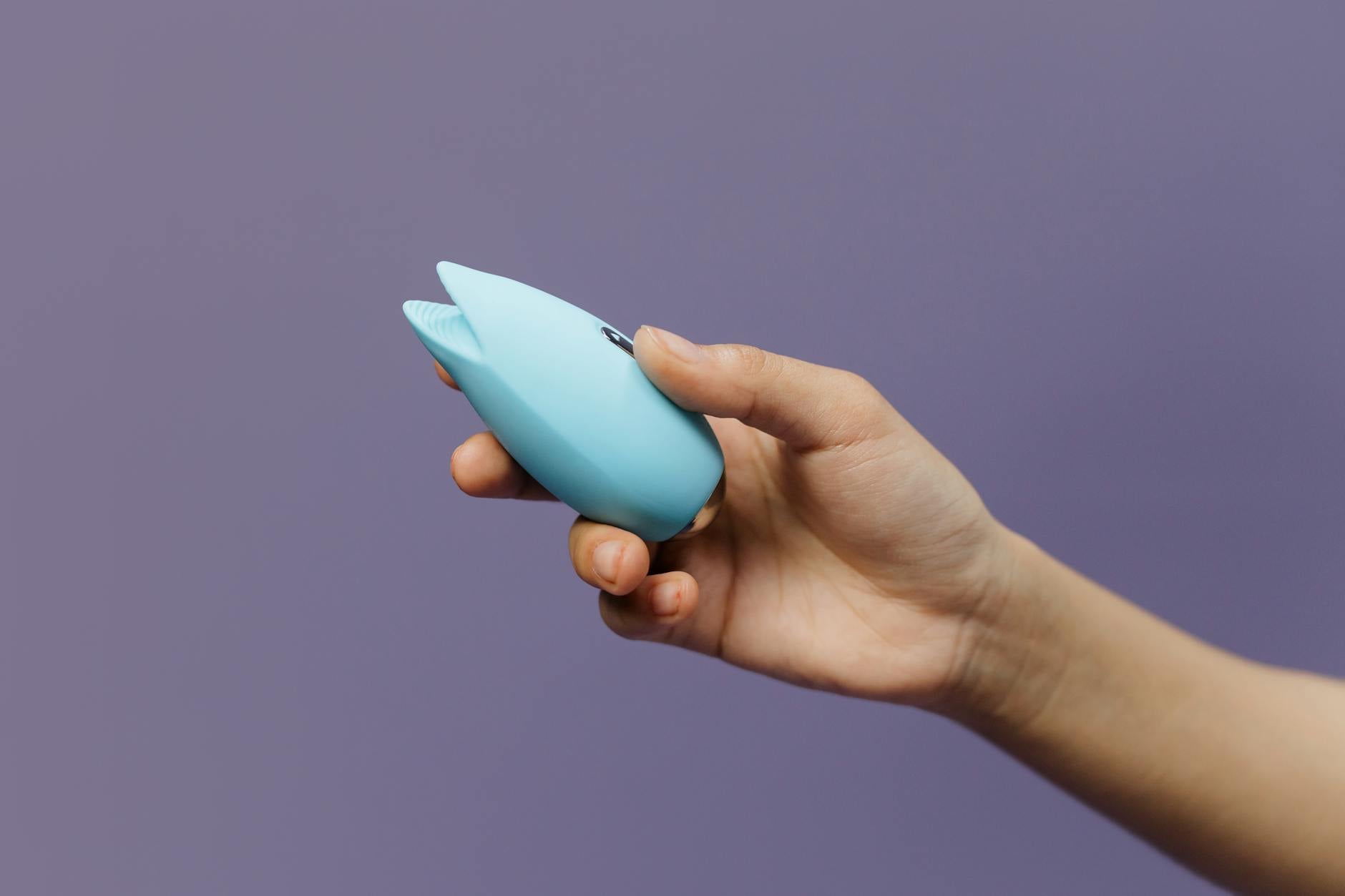
Most vibrators create a rhythm of contact and release. Your pelvic floor muscles get trained to anticipate that rhythm, which can trigger a protective clench. Lemon clitoral vibrators, which use gentle suction rather than traditional vibration, work entirely differently. That suction pattern is slower, more sustained, and rhythmically predictable in a way that's actually calming to a hypervigilant pelvic floor.
Here's the mechanism: suction stimulation activates the parasympathetic nervous system (your rest-and-digest mode) rather than triggering the sympathetic response (fight-or-flight). When your pelvic floor is compromised, getting your nervous system into parasympathetic mode is half the battle. A lemon sucker's gentle pulse against the clitoris signals safety in a way that fast vibration often doesn't.
Secondly, suction creates a seal. That seal means no guessing, no variable pressure. Your nervous system doesn't have to brace for an unexpected intensity spike. For people recovering from pelvic floor dysfunction, that predictability is not a small thing. It's permission to relax.
How to start: the progression that actually works
Don't begin with your lemon vibrator on any pattern. Begin without it turned on at all.
Hold the device against your body (or your partner holds it). Spend 5 to 10 minutes just getting used to the weight, the temperature, the texture. This teaches your pelvic floor that this object is safe. Your body needs permission to be still before it can learn to respond.
When you turn it on, start at pattern 1 (usually the gentlest pulse). Stay there for 3 to 5 minutes. Notice what happens in your pelvic floor. Does it clench? That's useful information. You're gathering data about your recovery.
If you feel significant tension or pain, stop immediately. This isn't about pushing through. The goal is to rebuild a connection between touch and pleasure, not to override your nervous system's signals. If pain appears, you're likely dealing with active inflammation or a pelvic floor that needs more time before external stimulation feels safe. Chat with your physical therapist before continuing.
If you feel mild tension that gradually softens, you're in the right zone. Spend several sessions at pattern 1 before moving to pattern 2. This sounds slow, and it is. It's also how your nervous system actually learns.
The role of breathing and awareness
Pelvic floor dysfunction often means shallow breathing and held breath during arousal. When tension tightens around your pelvic floor, your breathing becomes unconscious and restrictive. During recovery, breathing is literally half the mechanics of relaxation.
As you use your lemon vibrator, deliberately breath deeply into your belly. Exhale completely. This isn't mystical. It's physiology. Deep breathing activates the parasympathetic nervous system and tells your pelvic floor muscles it's safe to release.
Many people find that they feel more sensation when they breathe deliberately. That might sound counterintuitive. But when your pelvic floor is locked in protection mode, shallow breathing is part of the armor. When you breathe fully, you're literally saying to your body: "I can feel this." That permission creates space for pleasure.
Partner integration (if that's your situation)
If you have a partner, clarity about what you're doing is essential. Pelvic floor dysfunction often makes penetration uncomfortable or impossible. Your partner might feel rejected or confused by the shift to clitoral-only pleasure, especially if you've both been working through pain together.
Here's what helps: name what you're doing. "I'm using this period to rebuild sensation and teach my nervous system that pleasure is safe. This isn't about you. This is me learning my own body again." That's not rejection. That's clarity. Partners often respond beautifully to clarity.
If your partner wants to be involved, they can hold the device, choose the patterns, or just be present while you explore. Sharing the recovery process, rather than hiding it, often deepens intimacy in unexpected ways.
What timeline actually looks like
Pelvic floor dysfunction recovers at different speeds depending on what caused it. Post-childbirth tension typically shifts within 4 to 8 weeks of consistent practice. Dysfunction tied to trauma or chronic tension can take months. Both timelines are normal.
Expect non-linear progress. You might have a week where sensation feels richer, then a week where tension returns. This doesn't mean you've failed. It means your nervous system is learning. Healing the pelvic floor isn't about one perfect session. It's about showing up consistently, breathing, and letting your body recover at its own pace.
One pattern many people notice: sensation begins returning in clusters. First, you might notice tingling or warmth. Then, weeks later, the ability to orgasm might return. Then, eventually, the ability to have penetrative sex without pain. These aren't simultaneous. Your body recovers in layers.
When to bring a professional in
If you've been working with a pelvic floor physical therapist, wonderful. Keep going. They can actually assess what's happening in your tissues and give specific feedback. If you haven't seen one yet, strongly consider it. A pelvic floor PT can tell you whether your dysfunction is high (excessive tension) or low (weakness), and that distinction completely changes how you approach recovery.
If pain increases with stimulation, or if you're not seeing any shift in sensation after six weeks of consistent work, something else might be happening. Endometriosis, vulvodynia, vaginismus, or other conditions can mimic or co-exist with pelvic floor dysfunction. Your GP or a specialized gynecologist can help clarify.
The bigger picture: pleasure as recovery
Here's what I want you to know. Rebuilding pleasure isn't an optional extra in pelvic floor recovery. It's part of the healing process itself. When you consistently practice feeling sensation, you teach your nervous system that your pelvic floor is safe. That learning changes your baseline tension.
Even sessions where nothing feels good are doing work. You're showing your body that it's allowed to try. You're telling your nervous system that this kind of touch doesn't require protection. That matters more than any single orgasm.
Your pleasure isn't gone. It's just sleeping. And with patience, the right tools, and gentle consistency, you get to wake it up again.
People also ask
Can I use a lemon vibrator right after pelvic floor physical therapy?
Yes, but check with your PT first. If they've done hands-on release work, your pelvic floor might feel more sensitive immediately afterward. Waiting 24 to 48 hours lets the inflammation settle. Then gentle exploration with your lemon clitoral vibrator can reinforce the release they've created. Think of it as you continuing the work they started.
Does orgasming during pelvic floor recovery make things worse?
Not if you're breathing and staying relaxed. The problem happens when you chase orgasm with tension. Your pelvic floor clamps down harder, and you end up reinforcing the very pattern you're trying to release. If an orgasm comes naturally while you're relaxed and breathing, that's beautiful. If it doesn't, that's also fine. The point is the process, not the destination.
How do I know if my pelvic floor is relaxing or just numb?
Relaxation feels open and calm. Numbness feels absent. If you're using your lemon vibrator and feel nothing at all, that's worth flagging to your PT. Numbness can indicate nerve damage or that your nervous system is dissociating to protect itself. True relaxation usually feels like a gentle release of held tension. You might feel warmth, tingling, or gradual sensation returning. That's the signal you're looking for.
Can I use lubrication with my lemon vibrator during recovery?
Absolutely. Water-based lube reduces friction and makes the experience more comfortable. If your pelvic floor dysfunction involved pain or irritation, lube can make the difference between an okay session and a genuinely pleasurable one. A small amount is plenty. More isn't necessarily better.
What if I'm also dealing with anxiety about sex after pelvic floor problems?
That's incredibly common and worth addressing directly. <a href="/en/blog/how-to-use-lemon-vibrators-when-you-want-to-explore-pleasure-solo-for-the-first-time">Using a lemon vibrator for the first time solo</a> can help you rebuild confidence at your own pace, away from performance pressure. If anxiety is significant, working with a therapist alongside your pelvic floor PT creates real change. Your nervous system needs permission on multiple levels.
Should I stop if I feel a cramp during stimulation?
Stop immediately. A cramp signals that your pelvic floor is clenching protectively. Pushing through teaches it that it needs to clench harder next time. Instead, stop, breathe slowly, and notice what triggered the cramp. Was it a particular pattern? A noise? Pressure from a partner? That information helps you adjust. You might try again in a few days, or you might need to back up a step in your progression. Either way, you're gathering useful intel.
Final thoughts
Pelvic floor recovery isn't quick and it isn't always straightforward. But your pleasure is not gone. It's waiting. Using the right tool, with the right approach, and with genuine patience, you can rebuild sensation and reconnect with your body. A lemon vibrator isn't a cure. But it's a genuinely helpful partner in the process. If you're navigating this recovery, be kind to yourself. You're doing real work. And that work matters.
Ready to explore more about recovery and pleasure? <a href="/contact">Get in touch</a> if you have specific questions about your recovery journey.