The avoidance pattern nobody talks about
Here's the thing: your partner isn't resistant to toys because toys are weird. They're avoiding the conversation because they're afraid of what it means. That's different. And once you understand the difference, the whole dynamic shifts.
The resistance usually sounds like one of these: "I'm enough," or "We don't need that," or worse, just changing the subject every single time you bring it up. What that actually translates to is "I'm scared that wanting this means something is wrong with me, with us, or with my ability to please you." Naming that fear—even silently to yourself—is where real change begins.
Why partners shut down toy conversations
It's not about the toy. It's about narrative. Most of us grow up with a story about what good sex looks like. Good sex is spontaneous, it's friction-based, it requires no tools, and it definitely doesn't involve sitting down beforehand to plan. Introducing a toy feels like breaking that story. And breaking a story you've built your identity on feels threatening.
There's also simple embarrassment. A lot of men (and some women) were raised with the idea that admitting interest in their partner's pleasure in a structured, deliberate way makes them look inexperienced or desperate. It's an old script. But it's still the one running in the background.
Finally, there's the logistics of it. Bringing home a toy, or saying "I want to try something," requires vulnerability. Vulnerability is terrifying. Avoidance feels safer.
What actually happens when you stop trying to convince them
Paradoxically, the fastest way to get your partner on board is to stop pushing. Not because "absence makes the heart grow fonder," but because the moment you stop campaigning, you stop being the person asking for something they perceive as pressure. You become someone with an internal life they're curious about.
Instead of "I think we should try a lemon vibrator," the conversation becomes "I've been thinking about what I want and I realized I'm not getting it. I'm working on that." You shift from seeking permission to taking ownership. That's magnetic.
When your partner realizes you're not waiting around for them to agree, something in their nervous system relaxes. The dynamic isn't adversarial anymore. You're not fighting over whether toys are okay. You're just... building your own pleasure, independently.
That's when they often ask questions.
The conversation that actually works
Start with reassurance that isn't defensive. "I want to try something not because I'm unhappy, but because I want to know what else is possible for me." That's completely different from "You're not doing enough." One is expansive. One is critical. Your partner's entire nervous system can tell the difference.
Then get specific about what you want, not why you want it. "I want to explore what different sensations feel like" beats "I need better stimulation." One is curious. One is corrective.
If they still deflect, don't loop. Say "Okay, I'm going to explore this for myself. I'll let you know if you ever want to join." And then actually do that. Order the lemon vibrator. Use it. Don't perform shame about it. Don't hide it. Just normalize it as part of your self-care, like a vibrating neck massager would be.
Many partners come around when they realize their partner is proceeding with or without them.
Reframe what you're actually asking for
Here's a secret: you're not asking for permission to use a toy. You're asking for emotional intimacy around pleasure. You're asking to be known more completely. You're asking for partnership in exploring what feels good.
Those are big, legitimate requests. And they deserve to be stated that clearly. "I want us to talk about sex without shame. I want you to be curious about what I'm discovering about my body. That matters to me."
When you say it like that, suddenly it's not about the lemon vibrator. It's about whether your partner can show up for you emotionally. That's the real conversation. The toy is just the vehicle.
When your partner finally engages
If they ask what it does, answer directly. "It uses suction instead of vibration. It feels completely different from hands or typical vibrators." No drama, no selling. Just facts.
If they want to watch, let them. If they want to touch it (the device, not you, unless you both want that), let them. Curiosity is the foot in the door. Respect it. Don't weaponize it by becoming suddenly distant or withholding.
If they want to use it on you, great. But set the tone first. "This might take me a minute to get used to. I might laugh. I might need you to adjust intensity. Can you follow my lead?" That puts them in service mode, not performance mode. It reframes the whole dynamic.
What changes once you both can talk about this
Once your partner realizes that discussing pleasure doesn't destabilize the relationship.it actually strengthens it.the entire texture of your intimacy shifts. You stop having unspoken frustrations. You start having actual plans. Sex becomes something you're building together instead of something that's just happening.
That conversation muscle extends everywhere. Suddenly you can talk about what you both want from the relationship. You can ask for things without fear. You can admit what isn't working. That's not sex advice anymore. That's relationship advice.
Your partner doesn't have to be enthusiastic about lemon vibrators. But they do need to be willing to be uncomfortable in service of your pleasure. If they can't do that, that's information. And you get to decide what that means for you.

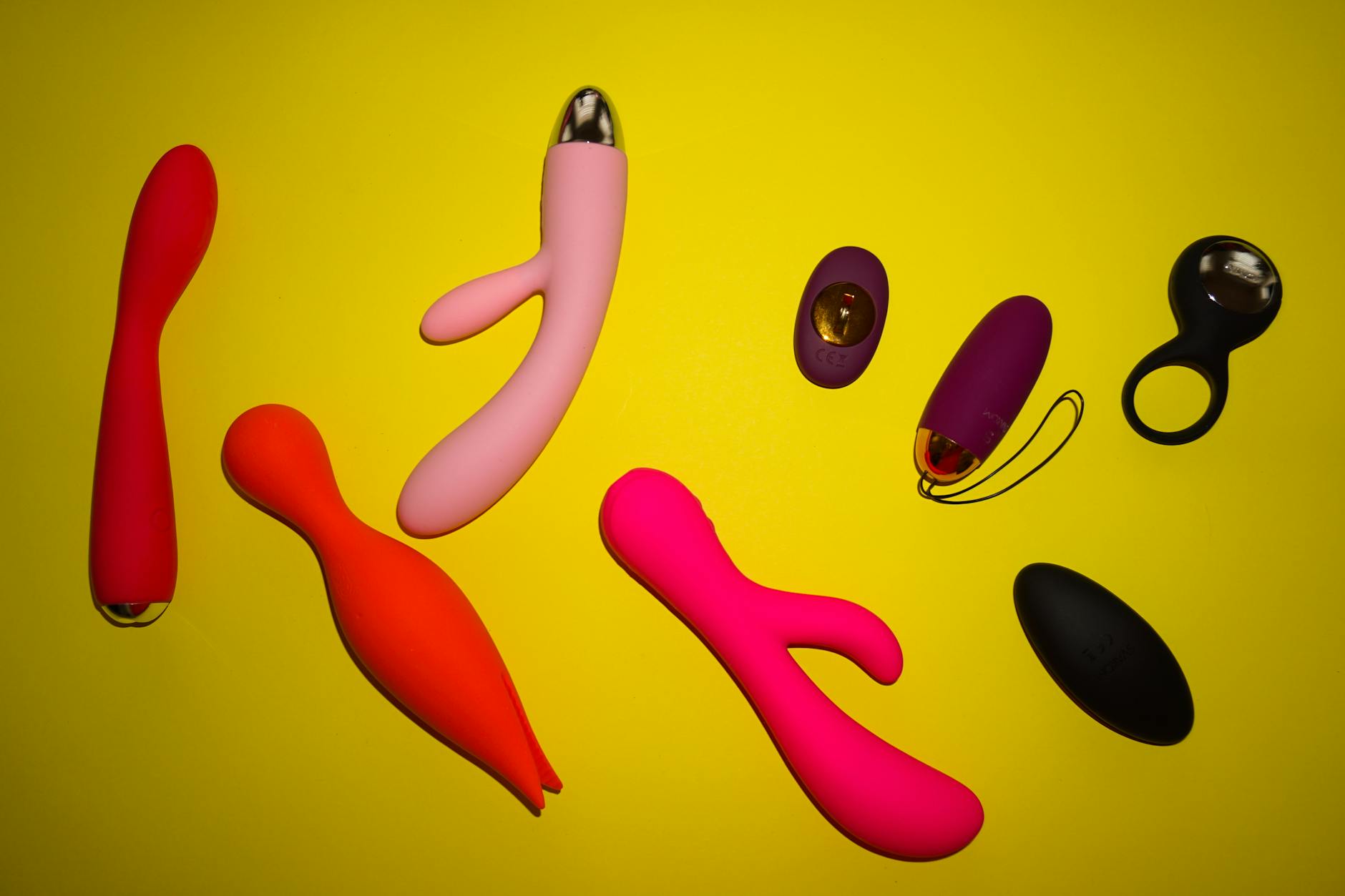
Photo by cottonbro studio on Pexels
The non-negotiable part
You deserve pleasure. You deserve to explore what feels good. You deserve a partner who is at least willing to have an awkward conversation about it. If your partner can't get there, that's a real relationship issue. And it's worth taking seriously.
A lemon clitoral vibrator isn't a luxury or a sign that something is broken. It's a tool. And using it is an act of self-respect. Frame it that way with yourself first. Everything else follows.
How to actually introduce the device
Don't make it mysterious. Leave it out. Normalized. The more you treat it like it's shameful, the more your partner will too. If they ask about it, explain what it is. "It's a clitoral vibrator. It's designed to feel really different than my vibrator. I wanted to try it."
If you're brave enough to use it while they're in the room, even just in the beginning, do it. Not for them. For you. But the presence is grounding. It says "I'm not hiding this from you."
Sometimes partners come around just by watching someone they love take themselves seriously. That's worth the vulnerability.
FAQ
Why won't my partner talk about toys at all?
Fear usually. Fear that it means something is wrong, or that they're not enough, or that admitting interest makes them bad somehow. It's rarely about the toy. It's about what the toy represents in their mind. The fear doesn't usually disappear until they realize that your pleasure expanding doesn't shrink theirs.
Should I use a lemon vibrator without their knowledge?
No. Not because it's wrong, but because hidden pleasure usually becomes resentment later. Do it openly. Say "I'm going to try something for myself. You're welcome to be in the room or not." Ownership is different than secrecy.
What if they say it makes them feel replaced?
That's the fear talking again. Address it directly. "A toy doesn't replace partnership. It adds sensation. Those are different things." And then follow up with actions. Make sure your partnered sex is also good. Make sure they feel wanted. Don't let the toy become the whole story.
Can a lemon vibrator actually change my pleasure?
Yes. Air-suction lemon vibrators work completely differently than traditional vibration. They feel like nothing else. A lot of people who thought they couldn't orgasm or who felt numb discover whole new sensations with a lemon suction device. It's not magic. It's design.
What if my partner gets interested and then things get weird?
Boundaries. Set them early. If you like that they want to explore with you, say that. If you want solo time with it too, say that. If the dynamic becomes performative or pressured, pump the brakes. The goal is pleasure, not obligation. Your partner's newfound interest doesn't override your comfort.
How do I know if this is worth fighting for?
If your partner is willing to have uncomfortable conversations in service of your growth, you've got something. If they just shut down and refuse to engage, that's information about the relationship. You can use tools. You can have pleasure. The question is whether your partner can grow alongside you. That's the real issue.
The closing part
Your partner's avoidance isn't permanent. People change when they feel safe. When they understand that you're not asking them to be perfect, just present. When they realize that your pleasure matters and that exploring it doesn't threaten theirs.
If you want more on building intimacy through conversation, read about how to use lemon vibrators when hormonal changes affect your pleasure. That post covers how partners can actually support you through physical changes. It's a different angle on the same problem: can you both talk about what's real?
Or if this is hitting a bigger nerve, check out how to use lemon vibrators when you feel disconnected from your body. Sometimes partner avoidance is a mirror of your own avoidance. Worth exploring.
You deserve a partner who shows up. And you deserve pleasure. Those two things are connected. Start there.