Let's start with what nobody tells you
Your clitoris is not getting weaker. It's changing. And honestly, that's way more complicated and interesting than a simple decline.
Sensitivity shifts across your lifespan. Sometimes it sharpens. Sometimes it softens. Hormone levels, blood flow, nerve responsiveness, stress, medication, and just plain aging all play a role. The frustrating part: nobody warns you that what worked beautifully at 25 might feel totally different at 35, 45, or 55. The exciting part: this isn't a dead-end. It's a redirect.
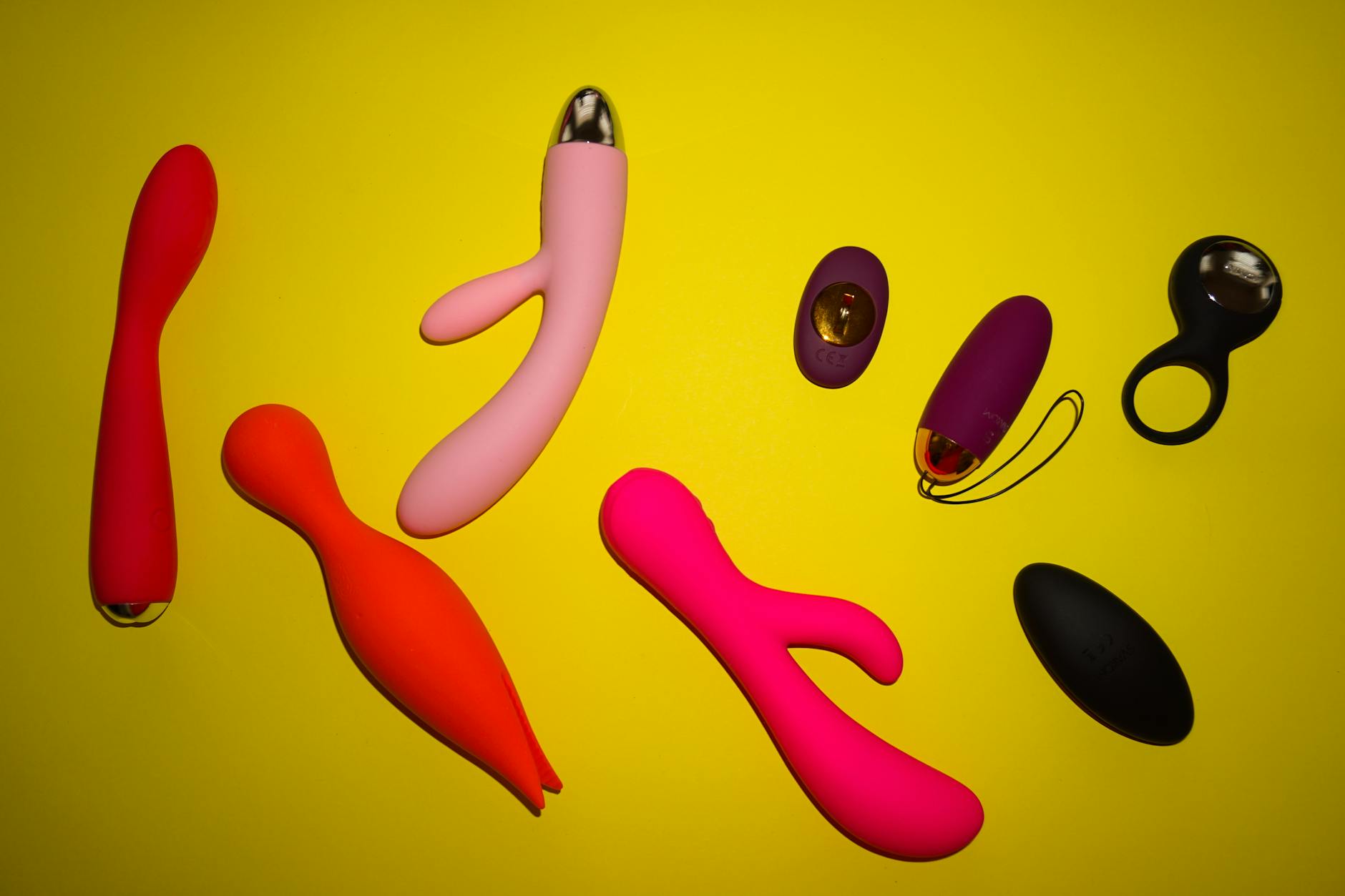
That's where lemon vibrators come in. The design of air-suction clitoral vibrators like the Lem actually makes them uniquely suited to navigating these shifts. Let me explain why.
Why your sensitivity feels different now
Here's the science without the jargon. Your clitoral tissue contains specialized nerve endings. Over time, several things affect how responsive they are.
Hormone fluctuations matter more than people realize. If you're cycling through your reproductive years, each phase of your cycle brings different levels of estrogen and testosterone. Both hormones affect blood flow to the clitoris and the speed at which arousal builds. If you've entered perimenopause or menopause, the drop in estrogen means thinner tissue, less lubrication, and often a longer warm-up time. If you're on hormonal birth control, your baseline hormone levels are different than if you're not. None of this means something is broken.
Blood pressure and cardiovascular health also shift things. As we age, blood vessels change. Stress, sleep deprivation, and medications all affect blood flow to sensitive tissues. A person who was a quick responder in their twenties might need more foreplay, more time, or more direct stimulation in their forties. This is not a decline. It's a change.
Nerve sensitivity itself can feel paradoxical. Some people report that their clitoral nerves feel less responsive overall, but that specific types of stimulation actually feel more intense. Others find that after years of the same toy or touch pattern, the sensation dulls simply because their nervous system has habituated to it. You're not broken. Your system is just asking for something different.
The suction approach and why it works across different sensitivities
Traditional vibrators rely on vibration frequency to create sensation. Lemon vibrators use gentle air-pulse suction, which works differently on a neurological level.
Instead of direct pressure or micro-vibrations on the clitoral surface, suction stimulates the deeper clitoral nerve network. This matters because as tissue changes, deeper nerve stimulation often stays responsive even when surface sensitivity shifts. The suction mechanism also creates a slight pressure differential that many people find less overwhelming than direct vibration, especially if your sensitivity has become more acute with age.
Another practical benefit: you control the intensity by adjusting the pattern and strength. This matters when your sweet spot has changed. If you used to need pattern 7 at full power and now that feels painful, you're not stuck. You can drop back to pattern 2 or 3 and often find it hits harder on a sensory level because you're working with your body's current responsiveness, not against it.
Adapting your technique when sensitivity shifts
Four practical moves that help almost everyone I work with.
Start lower and slower. If you've been using vibrators at high intensity for years, your nervous system may have adapted. When sensitivity changes, the instinct is often to crank the intensity higher. Wrong direction. Try starting at pattern 1 or 2 for a full session. Let your body relearn what pleasure feels like without the habituation override. You might discover that lower patterns now feel more intense.
Extend your warm-up. This is not a limitation. It's information. If you're in your forties or beyond, giving yourself fifteen to twenty minutes of foreplay or solo warm-up before introducing the lemon vibrator often transforms the experience. Blood flow builds gradually. Arousal deepens. When you finally introduce suction, your clitoris is primed and responsive. Quick isn't bad. But when sensitivity is in flux, rushing often means missing the window where sensation is actually available.
Vary the contact point. Your clitoris has a head, shaft, and base. These have different nerve distributions. If direct stimulation on the head feels numb or overstimulated, try angling the lemon vibrator slightly so suction is working on the shaft or base instead. Many people find they can achieve deeper, more satisfying responses by shifting where contact happens.
Use lubrication strategically. As tissue changes, lubrication helps. But here's the thing: lubrication dampens suction slightly. Use a small amount at the opening to ease entry, then apply suction directly to the dry clitoral area. This keeps the suction effective while still supporting your overall comfort.
When sensation feels numb or completely gone
If your clitoris feels genuinely unresponsive, not just differently responsive, a few things are worth checking.
Medication is a major culprit. Antidepressants, blood pressure medications, and some birth control methods absolutely can affect sensation. Talk to your doctor. Sometimes a dose adjustment or switching medications helps. Don't stop taking anything without medical guidance, but do ask explicitly about sexual side effects. Doctors often don't bring them up, but they'll discuss them if you ask.
Cycling stress and sleep patterns matter more than you'd think. When you're running on fumes, your nervous system downregulates sensation as a protection mechanism. This isn't permanent. But it means that investing in sleep, managing stress, and sometimes just taking a break from expecting sensation can paradoxically restore it faster than pushing harder.
Masturbation frequency and pattern can create temporary numbness. If you've been using the same toy at the same intensity daily for months, your nerves adapt. Try taking a week off from your usual pattern. Then reintroduce the lemon vibrator with a completely different approach. Your system will often reset and rediscover sensitivity.
Navigating this with a partner
If you're in a partnered relationship, clitoral sensitivity changes can feel confusing or even threatening. Here's how to separate the two conversations.
Your body changing is not about your partner. Your pleasure changing is not criticism. But if these things get tangled, both people end up feeling rejected or defensive, and neither conversation goes anywhere useful.
Instead: "My body is responding differently now. We need to explore what works for me right now." This is information, not judgment. A good partner will be curious about this exploration. If you introduce a lemon vibrator or shift your preferences, frame it as rediscovery, not replacement. Many couples find that navigating these changes together actually deepens intimacy because you're paying closer attention to what actually works instead of running on autopilot.
The emotional layer that changes everything
Physical sensation is only half the picture. Around the same time clitoral sensitivity shifts, a lot of other stuff is usually happening. Maybe you're in perimenopause. Maybe your relationship has changed. Maybe you're carrying stress you didn't have before. Maybe you've just spent a decade in a body that felt responsive and suddenly it doesn't, and that's grief.
Accept all of that. Numbness or shifts in sensation sometimes have a physiological cause. Sometimes it's mostly psychological. Usually it's both. A lemon vibrator can help with the physical side. Honestly examining what's happening in the rest of your life helps with the emotional side. Sometimes you need both.
When it's time to talk to a doctor
If sensation loss is sudden, total, or accompanied by pain, see a healthcare provider. These could indicate something like genitourinary syndrome of menopause, medication side effects, or other treatable conditions.
If you're interested in exploring hormone therapy, testosterone therapy, or other medical interventions, find a clinician who specializes in sexual health. Not all doctors are trained in this. It's worth seeking someone who is.
Your pleasure matters. You deserve to understand what's happening in your body. That might mean seeing a professional.
FAQ
Why does my clitoris feel less responsive when I'm stressed?
Stress activates your sympathetic nervous system (fight or flight). Pleasure requires parasympathetic activation (rest and digest). When you're chronically stressed, your nervous system stays in a state that literally dampens sexual response. This isn't psychological weakness. It's biology. Managing stress directly improves sensation.
Can lemon vibrators help if my sensitivity feels too sharp or painful?
Often yes. Because suction distributes pressure differently than direct vibration, many people find it more comfortable when sensitivity has become acute or painful. Start with the lowest pattern and build from there. If pain persists, see a doctor to rule out medical causes.
Does age always mean less sensitivity?
No. Some people experience sharper sensitivity as they age. Others find it becomes more generalized or moves to different areas. Some people report their best, most intense orgasms in their forties or fifties. The change is individual.
How long does it take to adjust to new sensitivity patterns?
Weeks to months, usually. Your nervous system needs time to adapt to new pleasure patterns, especially if you're changing toys or technique. Give yourself at least four to six weeks of consistent exploration before deciding something isn't working.
Should I use the same lemon vibrator I always have if my sensitivity changed?
Maybe. But if you've used the same toy at the same settings for years, your nervous system may have habituated. Try using the patterns you've never used before. Or try the Lem at a lower intensity than you think you need. You might be surprised.
Is there a way to "reset" clitoral sensitivity?
Yes. Take a break from the toy you usually use. Spend two weeks exploring your clitoris with your hands. Touch it differently than you normally would. When you reintroduce a vibrator, you're often working with restored sensitivity. This actually works.
The bigger picture
Your clitoris is not declining. It's evolving. And the good news is that you get to evolve along with it. A lemon vibrator isn't a fix for aging. It's a tool that adapts to how your body is changing right now. Your sensitivity five years from now will be different again. That's not a tragedy. It's life.
You deserve pleasure at every age and stage. That means paying attention. That means being willing to try new approaches. That means trusting that your body isn't broken, it's just asking for something different. When you listen and adjust, the pleasure that comes next is often deeper, more intentional, and more satisfying than anything that came before. Start by understanding what's actually happening. Then build from there.