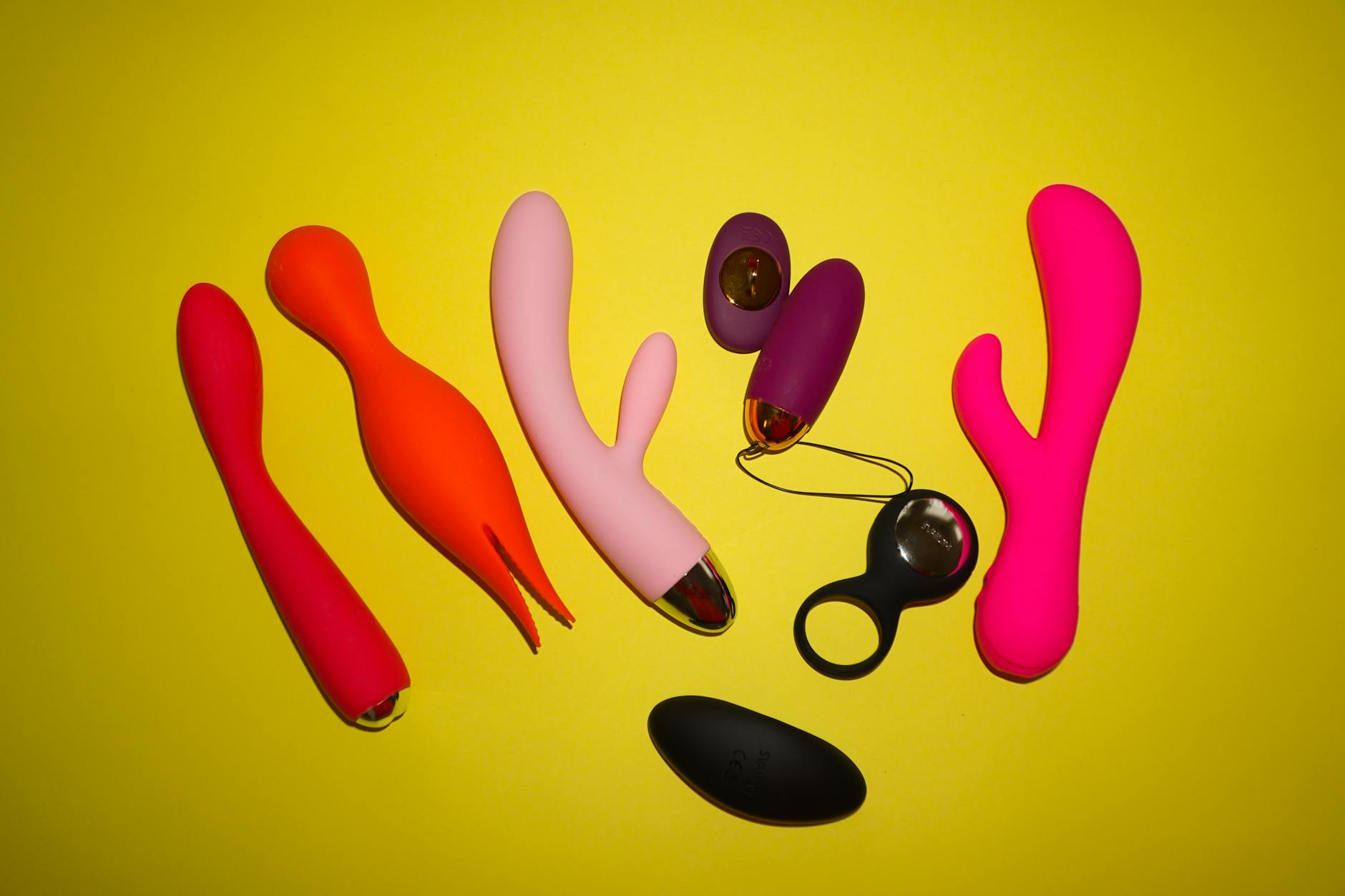
How to Use Lemon Vibrators When You Want Pleasure Without Guilt or Apology
Here's the thing: guilt is a sensation killer. Not metaphorically. Physiologically. When you're in your head apologizing for wanting pleasure, your nervous system is in sympathetic overdrive—fight-or-flight mode. Blood stays in your core instead of flowing to your genitals. Your pelvic floor tenses. Orgasm becomes harder, not easier. Guilt doesn't just make you feel bad; it literally makes sex worse.
I work with hundreds of people in committed relationships, and I hear the same refrain constantly: "But my partner...", "I feel like I'm cheating...", "What if they find out...", "Shouldn't I just want them to be enough?" The answer is no. Solo pleasure is not a referendum on your relationship. It's not a sign you're not satisfied. It's not selfish. It's maintenance, exploration, and the radical act of saying your body belongs to you.
The guilt you're carrying isn't yours
Let's name where this comes from. You've probably absorbed three decades of messaging that says female pleasure should be relational, performative, or at minimum validated by someone else. That your body is primarily for sharing. That solo sex is a substitute, not a practice. That if you really loved your partner, you wouldn't need this.
All of that is conditioning, not truth. And it's costing you sensation.
In my practice, I've observed something consistent: the couples with the strongest sexual connection are usually the ones where both partners have an independent relationship with their own pleasure. Not because they don't want each other. Because they're not using each other to feel whole. Because they don't need their partner to validate their sexuality. Because they show up from a place of already-full instead of desperately-empty.
Solo pleasure with a tool like a lemon vibrator isn't the opposite of partnership. It's the foundation of it.
What guilt actually does to your body
When you're anxious about pleasure, your amygdala (the threat-detection center in your brain) stays partially activated. You're simultaneously trying to feel good and monitoring for danger. Your pelvic floor muscles, which should be relaxing and engaging rhythmically, stay in a low-level clench. Your breathing gets shallower. Your sensitivity decreases.
This is why people often report that solo sex feels "blocked" or "effortful." They're not broken. They're just trying to come while carrying the weight of other people's judgments.
The antidote isn't willpower or better technique. It's permission.
When you stop carrying that guilt, three things happen immediately. First, your parasympathetic nervous system (the rest-and-digest system) can finally activate. Your breathing deepens. Blood redistributes. Sensation improves. Second, you can actually focus on what feels good instead of what you're worried people will think. This alone can transform the experience. Third, you become genuinely more present with a partner, because you're not secretly resentful about having to hide part of yourself.
Why lemon clitoral vibrators are specifically useful here
The design of a lemon vibrator matters when you're learning to say yes to your own pleasure without apology. Air-suction technology (which Hello Nancy's Lem uses) creates a gentler entry point than direct vibration. This is useful for exactly the reason I mentioned: when your nervous system is dysregulated by guilt, intense stimulation can feel jarring instead of pleasurable. The graduated suction patterns on a lemon sucker allow you to build sensation gradually, without that initial spike that can feel overstimulating.
Second, there's something psychologically significant about choosing a tool designed specifically for solo pleasure. Not a vibrator borrowed from a couple's context. Not something that feels utilitarian or clinical. A lemon adult toy signals to your brain: this is for me, specifically. This is legitimate. This is mine. That permission slip matters more than you'd think.
Third, the pattern settings on a lem vibrator give you something to focus on besides your anxiety. You're not just lying there wondering if your partner suspects something. You're actively exploring which pattern feels best, whether you want to stay on one or switch mid-session, where on your body the sensation works best. You're practicing attention instead of avoidance.
The permission conversation you're actually avoiding
Here's what I notice: people spend way more energy managing their guilt about solo sex than they spend actually having it. The internal conversation becomes so loud that pleasure gets crowded out.
If you're in a partnership, there's a conversation worth having. Not apologetically. Not asking permission like a child. But honestly: "I'm reclaiming solo pleasure as part of my own sexuality. This isn't about you. It's about me knowing my own body and not carrying shame about it." Some partners will immediately say yes, that's hot, count me in. Some will need to adjust. Some might have their own stuff to work through. But that's their work, not yours.
If you're single or if this is territory your partner isn't ready to discuss, you still get to do this. You don't actually need anyone's approval to touch your own body.
How to actually use lemon vibrators when guilt is your real obstacle
Start small, not physically but psychologically. Pick a time when you're alone and unlikely to be interrupted. Maybe Sunday morning. Maybe the 20 minutes after your partner leaves for work. The key is choosing a time where your nervous system can actually relax because you're not bracing for discovery.
Second, set an intention that has nothing to do with reaching an orgasm. Your only job is to practice telling yourself yes. To practice saying "my pleasure matters." To practice not carrying someone else's judgment. Orgasm might happen. It might not. That's not the metric here.
Third, use a lemon vibrator, not your fingers or your imagination. The reason is simple: you need a clear sensory anchor. Something that pulls your attention out of your head and into your body. Lemon clitoral vibrators are designed to do this. The suction patterns are specific enough to occupy your brain. You can't ruminate about guilt while your nervous system is processing a new sensation.
Start with one of the lower intensity patterns. Explore where on your body it feels best. Move it around. Spend 20 minutes just playing, not trying. If pleasure builds, great. If it doesn't, that's also fine. The goal is practice. Permission practice. Sensation practice. The actual orgasm will come once your nervous system trusts that you're safe to feel good.
What changes when you stop apologizing
People often report that once they give themselves permission for solo pleasure, their partnered sex improves. Not because they need less from their partner. Because they need less validation. They show up more confident. They know what they like. They can ask for it without defensiveness. They're not secretly resentful about having to hide their sexuality.
That's the real shift.
Guilt doesn't protect your relationship. It erodes it, slowly. It creates a part of yourself you keep hidden. It teaches you that your pleasure is something to manage instead of something to own. And it reduces sensation so much that the few times you do let yourself feel good, it often doesn't even work very well.
Lemon vibrators aren't the answer to guilt. Permission is. But tools like the Lem can help you practice permission by giving your nervous system something to focus on besides your anxiety.
The real question isn't whether you should do this
The real question is why you've been waiting for permission you already have. You own your body. Your pleasure is legitimate. Solo sex is not a referendum on your relationship or your character or whether you're "a good partner." It's you knowing yourself.
And that knowledge? It's the foundation of everything else. Better sex with partners. Less resentment. More confidence. A sexuality that isn't borrowed or filtered through someone else's comfort level.
Start there. Tonight if you want. A lemon clitoral vibrator. A locked door. 20 minutes to practice saying yes to yourself.
That's the whole thing.
People also ask
Is it okay to use lemon vibrators when you're in a relationship?
Yes. Solo pleasure isn't infidelity. It's not a sign your relationship isn't working. In fact, people who have an independent relationship with their own sexuality often have better partnered sex because they're not using their partner to feel whole. A lemon sucker is a tool for knowing your own body, not a substitute for intimacy.
Will my partner think I'm cheating if I use lemon sexual toys alone?
Only if you tell them and they've told you that solo sex feels like betrayal. Most people don't feel this way, and many actively support their partners' solo pleasure. If you're not sure how your partner would respond, that's actually valuable information. It suggests you might benefit from a conversation about sexuality, boundaries, and what you each need. Solo pleasure isn't something you need to confess or justify. It's part of owning your own body.
How often should I use a lemon vibrator if I'm trying to overcome guilt about solo pleasure?
Frequency matters less than consistency. Start with once a week if that feels manageable. The goal isn't to reach a certain number of orgasms. It's to practice permission. Each time you use a lem vibrator or any lemon adult toy, you're telling your nervous system: "This is safe. You deserve this." That repetition is what slowly dissolves guilt. Some people find that after a few weeks of regular solo pleasure, the guilt starts to dissipate naturally.
Can using lemon clitoral vibrators help if I feel numb or disconnected from my body?
Absolutely. Guilt and shame often create a disconnection from your body because you're literally keeping your nervous system activated (braced for judgment). A lemon vibrator can help because it's a strong enough sensation to pull your attention back into your body. It also gives you permission to focus exclusively on sensation instead of worrying about what it means. Many people find that consistent use of clitoral vibrators helps rebuild the connection between their body and their pleasure.
How do I talk to my partner about wanting solo pleasure without them feeling rejected?
Frame it around knowledge, not rejection. "I want to know my own body better. I want to explore what feels good so I can share that with you." You're not saying "You're not enough." You're saying "I want to be more fully myself." Some partners find this sexy. Some need time to adjust. But the conversation itself is usually less dramatic than you expect. And remember: you don't actually need their permission. You're offering information, not asking approval.
What if I still feel guilty even after using lemon vibrators solo?
Guilt that lingers usually means there's another layer underneath. Sometimes it's internalized shame about sexuality in general, not specifically about solo pleasure. Sometimes it's about your relationship and whether you actually feel safe and valued in it. If guilt persists, it's worth exploring with a therapist or a relationship coach who specializes in sexual health. A tool like a lem vibrator can help with sensation practice, but deep-seated guilt often needs conversation, not just a better vibrator.
If you're carrying guilt about solo pleasure and ready to put it down, that conversation starts with yourself. Permission isn't something you ask for. It's something you claim. Get in touch if you want to talk through what's holding you back in your relationship or sexuality. That's what I'm here for.