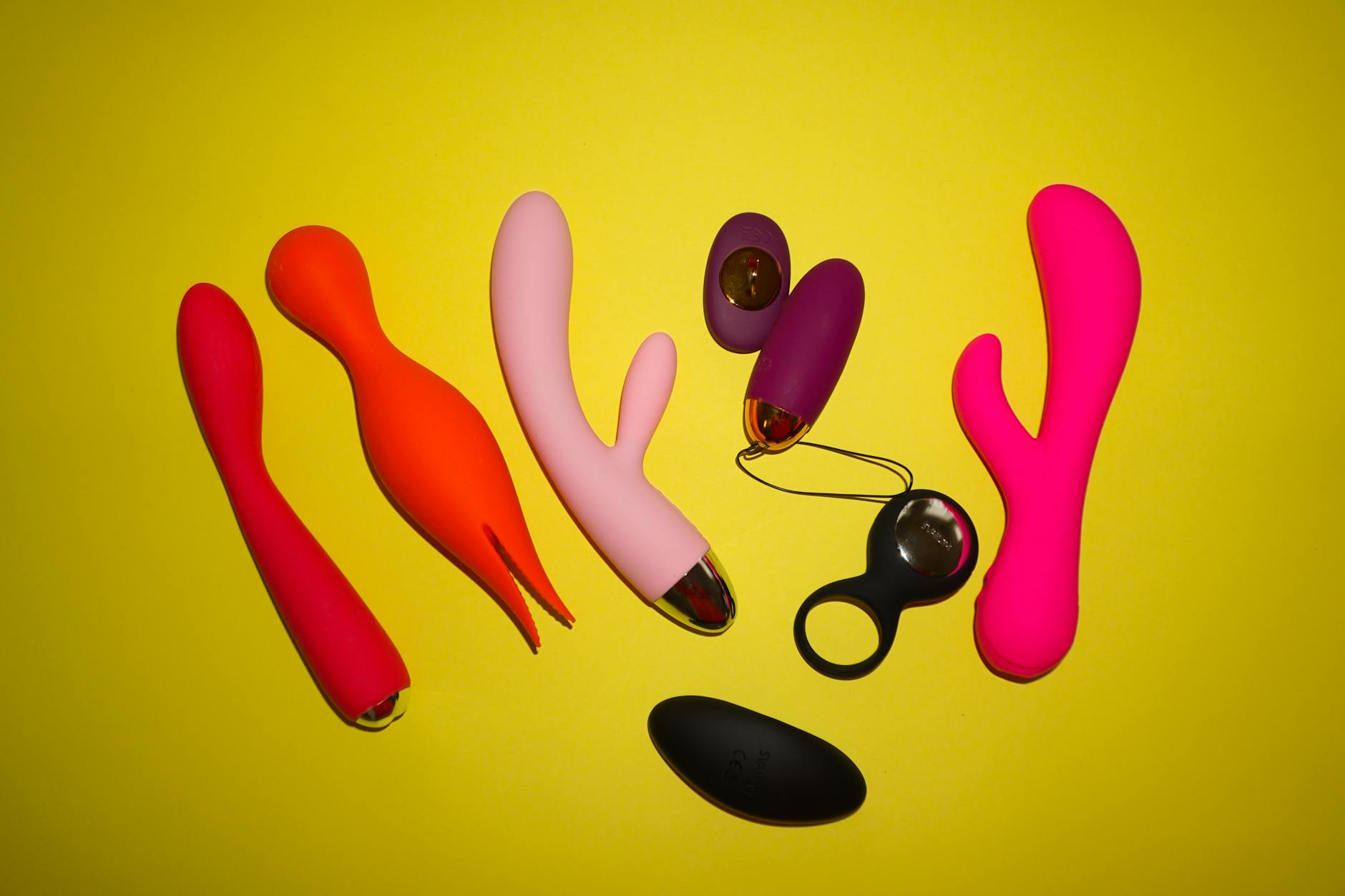
Here's what actually happens to your clitoris during regular vibration
Let's start with the physical part. Your clitoris has roughly 8,000 nerve endings packed into a space the size of a pea. That density is why it feels amazing. It's also why constant, direct vibration eventually stops working the same way.
When you use a traditional vibrator against your clitoris, the repetitive mechanical stimulation triggers a protective response in your nervous system. Over time, your nerve fibers become less responsive to the same pattern and intensity. It's not damage. It's adaptation. Your body is essentially saying, "I've felt this before, turn down the volume."
This is why many people find they need to increase intensity, switch toys, or take breaks to regain sensation. It's not a personal failure. It's not about your body being "too used to it." It's just how nerves work when faced with repetitive stimulation.
Why suction feels completely different
Lemon vibrators use air-suction technology, which works on a totally different principle. Instead of direct vibration against the clitoris, suction creates a gentle pressure wave that stimulates the entire clitoral complex (yes, your clitoris is much bigger internally than the visible part).
This matters because suction doesn't numb the same way direct vibration does. The nerve endings involved in suction response are different from those responding to mechanical vibration. You're essentially using a different neural pathway, which means your clitoris doesn't develop the same adaptation response.
Think of it like this: if you press your finger on your skin repeatedly in the same spot, the sensation fades. But if you lightly move that same finger around, creating different pressure points, you stay engaged. Suction works more like the second option.
How the lem vibrator prevents numbness
The Lem (our lemon clitoral vibrator) uses variable suction patterns at different intensities, which means the stimulation is never quite the same twice. Pattern 1 feels different from Pattern 2. Even within the same pattern, the suction creates a dynamic pressure rather than static friction.
This variation is why people often report that lemon vibrators feel fresher even after years of other toys. Your nervous system isn't bored. It's engaged.
The other thing: suction typically requires less direct contact pressure than traditional vibrators. You're not pressing or rubbing; you're positioning. This reduces the mechanical wear on nerve endings just through contact alone.
The practical setup that keeps sensation sharp
Three things make a real difference:
Start low and stay there longer. With the Lem, you don't need intensity 5 to feel good. Most people find intensities 1-3 deliver the deepest sensation because suction at lower levels feels more dimensional. Resist the urge to jump up. Slow down instead.
Use positioning instead of pressure. Lemon clitoral vibrators work best when you're guiding the suction cup with small movements, not pressing it hard against your body. This keeps you in control and prevents the nerve fatigue that comes from sustained compression.
Rotate between patterns. The Lem has multiple patterns. Don't fall into using the same one every time. Your nervous system adapts to patterns faster than to varied sensations. Switch it up every few minutes, or even every session.
Why this matters for long-term pleasure
Your clitoris doesn't have an off switch once it goes numb. It requires genuine rest, sometimes weeks, to fully recover sensitivity. That downtime sucks. You lose access to pleasure you used to have.
By using a tool like a lemon sucker that doesn't trigger the same numbness response, you're not protecting your clitoris from stimulation. You're protecting your ability to feel pleasure consistently. That's a meaningful difference.
Many people who switch from traditional vibrators to lemon clitoral vibrators report getting sensation back they thought was gone. Not because the toy is magic. Because suction simply doesn't create the same neurological adaptation.
The real benefit: sustaining pleasure over time
Here's what nobody talks about clearly: numbness isn't just annoying in the moment. It's a slow erosion of intimacy with your own body. You stop reaching for pleasure because you're tired of chasing sensation. You feel broken. You're not.
You just need a different tool. And you need to understand that your body isn't malfunctioning. It's protecting itself from repetitive stimulation by tuning it out. That's normal neurology.
Lemon sexual toys like the Lem work because they sidestep that adaptation entirely. Suction is a different kind of sensation. Your clitoris stays engaged because it's not on a treadmill.
If you've been using traditional vibrators for years and noticed your sensation dulling, switching to a lemon vibrator often feels like rediscovering pleasure. You're not starting over. You're just using a method that keeps your nerves alert and responsive.
When to take breaks anyway
Even with suction, your clitoris deserves rest. Not because it's damaged, but because rest itself enhances sensation. A few days off once a month lets your nervous system fully recalibrate.
If you notice sensation dropping even with the Lem, don't immediately assume it's a problem with the toy. Take a 3-5 day break first. Sensation often returns faster than you'd expect.
You can also explore pleasure without numbness through other methods, like partnered touch or external stimulation without any toy. Variety itself prevents adaptation.
The numbness question nobody asked you
There's a reason the lemon adult toys category exists separate from traditional vibrators. Not because one is "better." Because they solve a specific problem: how to enjoy consistent clitoral pleasure without the numbness cycle.
If you've been living with the assumption that your sensitivity is permanently compromised, or that you need increasingly intense toys, or that you're somehow overstimulated, here's the truth: you might just be using a method that your nervous system has adapted to.
Switching to a lemon clitoral vibrator often changes everything. Not because your body changes. Because the stimulus changes. And sometimes that's all you needed.
People also ask
Can you get permanent numbness from vibrators?
No. Numbness from vibrator use is always reversible. Even after years of sensation dulling, a few weeks to a few months of rest (or switching to different stimulation methods) typically restores feeling completely. Permanent nerve damage from external vibration is not medically documented. What you're experiencing is adaptation, not injury.
How long does it take to regain clitoral sensitivity?
It depends on how long you've been experiencing numbness and how much rest you take. Most people notice improvement within 1-2 weeks of a complete break. Full restoration can take 4-8 weeks, but you'll typically feel sensation returning much sooner. Switching to a lemon vibrator (suction-based stimulation) often accelerates this because you're introducing a different stimulus type while still enjoying pleasure.
Is the lem vibrator better for numbness specifically?
It's not magic, but yes. Suction-based stimulation prevents adaptation the way direct vibration triggers it. Because the lem vibrator works on a different neurological pathway, people who've experienced numbness with other toys often find sensation stays sharp longer with a lemon clitoral vibrator. That said, the best tool is whichever one prevents you from needing a break in the first place.
Should I use lower intensities to prevent numbness?
Usually yes, but intensity alone doesn't prevent adaptation. Pattern variety and stimulation type matter more. A lower intensity on the same pattern you use every time won't prevent numbness as effectively as switching patterns or changing your toy type. With a lemon sucker, you get both: gentler sensation plus varied stimulation. That combination is what keeps nerves engaged.
Can I use regular vibrators and lemon vibrators together without numbness?
Yes. Alternating between stimulation types actually prevents adaptation better than using one tool exclusively. One session with a traditional vibrator, next session with the Lem, then a break. Your nervous system stays engaged with variety. Rotating between different types of clitoral vibrators is one of the smartest numbness-prevention strategies there is.
What's the difference between lemon vibrators and suction toys from other brands?
All suction-based toys work on the same principle. The Lem is designed specifically for clitoral stimulation and uses a gentle but powerful suction. The actual brand matters less than the technology. Any lemon vibrator or quality clitoral suction toy will prevent numbness better than direct-vibration toys because of how suction engages nerve endings differently.
The takeaway
Numbered sensation isn't a sign you need a bigger toy or more intensity. It's a sign your nervous system has adapted to a specific stimulus. The solution isn't pushing harder. It's changing the stimulus itself.
Lemon clitoral vibrators, like the Lem, do that. Suction-based stimulation keeps your clitoris engaged because it activates a different neurological pathway. That simple difference means you can enjoy consistent sensation without the numbness cycle.
If you've been struggling with dulling sensation, this isn't about your body being broken. It's about using a tool that works with your nervous system instead of against it. And that changes everything.
Have questions about finding the right toy for your body? We're here to help. Reach out to us.
Sources
This article reflects clinical knowledge about nerve adaptation, neuroplasticity, and sensory receptors in erogenous tissue. For deeper reading on clitoral anatomy and pleasure physiology, consult resources like Emily Nagoski's research on sexual response cycles and the anatomical studies on clitoral innervation published in peer-reviewed journals including the Journal of Sexual Medicine.