Your orgasms aren't breaking. They're shifting.
Let's be real: something is different down there after 40. Maybe it takes longer to get there. Maybe the sensation feels less pointed, more diffuse. Maybe you need something different to actually feel it. That's not failure. That's biology meeting experience, and understanding the mechanics of it actually changes how you approach pleasure.
Here's what I see most often in my practice: women over 40 assume their orgasms are disappearing when what's actually happening is their orgasms are changing. The architecture of sensation shifts. Hormonal changes, reduced blood flow to genital tissue, and changing nerve sensitivity all play a role. But the capacity for orgasm doesn't go anywhere. You just need to meet your body where it is right now, not where it was at 28.

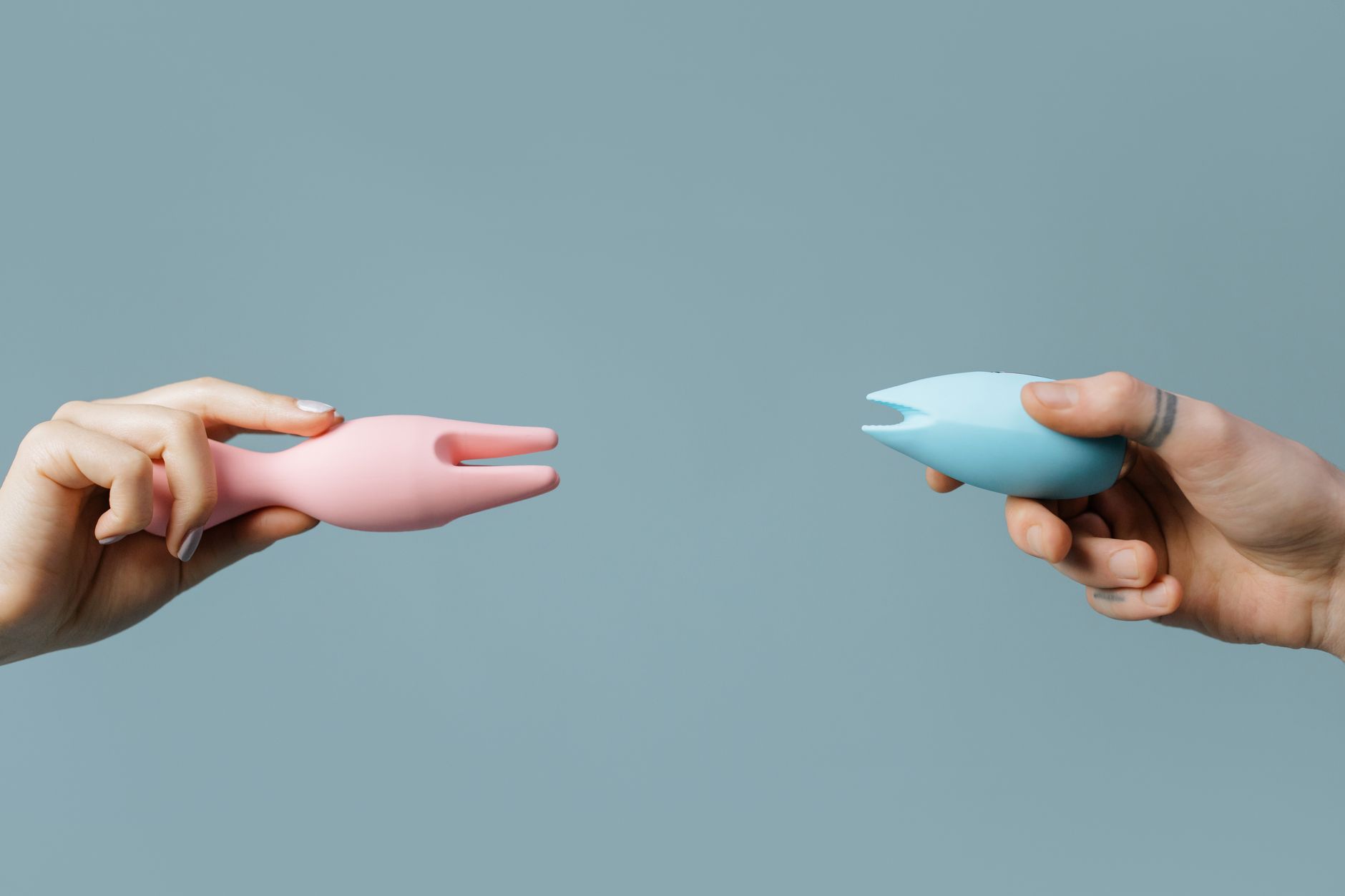
Photo by Vanessa Loring on Pexels
What actually changes in your body after 40
Estrogen begins to fluctuate more. Even if you're not in menopause yet, perimenopause can start in your 40s, and when estrogen drops, tissue thins. That includes the tissue around your clitoris. Less tissue means less cushioning, which can make direct vibration feel less pleasant and more like overstimulation.
At the same time, blood flow to the clitoral area decreases slightly. This means arousal builds more slowly and the engorgement that creates that mounting sensation takes longer. Your nervous system also becomes slightly less sensitive to repetitive stimulation, which is why the toy you loved at 35 might feel boring or even uncomfortable now.
Your pelvic floor muscles are also changing. They may be tighter in some places, more lax in others. This affects how orgasms ripple through your body. Instead of one sharp peak, you might experience a broader, more subtle wave. Some people describe it as less intense. Others describe it as more complex, more interesting. It depends entirely on how you relate to what's happening.
Why lemon clitoral vibrators work differently for bodies over 40
The design of a lemon sucker vibrator like the Lem is particularly well-suited to post-40 pleasure because it doesn't rely on the kind of persistent, direct friction that can feel abrasive on thinner tissue. Instead, suction creates a gentle vacuum that stimulates the entire clitoral structure without the same intensity of direct contact.
This matters because after 40, what felt like perfect pressure at 30 can start to feel like too much, or even painful. Suction-based stimulation engages the nerves differently. It pulls rather than pushes, which many people find more nuanced and easier to sustain for longer periods.
Lemon vibrators also let you control the intensity precisely. You can start at pattern 1 or 2 and build from there, rather than committing to a high-power setting that overwhelms recently sensitized tissue. This graduated approach gives your nervous system time to wake up and respond, which is exactly what your body needs when arousal builds more slowly.
The arousal timeline actually gets longer. That's not bad.
Here's something no one tells you: longer arousal isn't a bug, it's often a feature. When you stop fighting it and instead work with it, longer buildup can create deeper orgasms because more of your body gets involved in the process.
Most of my clients over 40 spend the first month fighting the new timeline. They expect the same quick ignition as before and feel defeated when it doesn't happen. Then something shifts. They realize that 20 minutes of gradual building with a partner or alone feels less like a problem and more like an actual experience. The body has time to register pleasure differently, to find micro-sensations they've never paid attention to before.
When you're using a lemon clitoral vibrator during this longer arousal window, you can layer in other sensations. Touch your breasts. Shift your position. Pay attention to your breath. The extra time becomes an asset rather than a liability.
What orgasms actually feel like at 40 and beyond
This is where I want to be really specific because the vagueness around this topic does so much damage. After 40, many people report one or more of these shifts:
The sensation is more localized. Instead of a full-body wave, you might feel orgasm primarily in the clitoral area, the vagina, or the pelvic floor. This isn't weaker. It's different. Some people find it easier to identify and repeat once they stop expecting it to travel.
The duration changes. Your orgasm might be shorter. Or it might be longer but subtler, a sustained sensation rather than a sharp peak. Or you might have multiple smaller peaks instead of one big one. All of these are normal variations.
The recovery is faster. You might be able to have another orgasm more quickly, or you might need more time between them. There's no universal rule here, and what's true for you might change month to month depending on stress, hormones, and what else is going on in your life.
It requires different stimulus. What got you there before might not work anymore. The intensity, pattern, or type of touch that triggers orgasm shifts. This is why a tool with multiple patterns and intensities like a lemon vibrator becomes invaluable. You can experiment without feeling like you've permanently broken something.
How to actually use a lemon vibrator when sensation feels muted
If you're noticing that sensation feels duller, numb, or slower to respond, here's my exact protocol.
Start with your body warm and aroused. Take time with foreplay. If you're with a partner, build anticipation. If you're alone, use your hands or watch something that genuinely turns you on. Don't skip this step. Your nervous system needs the pre-work.
When you pick up your lemon clitoral vibrator, start at the lowest setting. I mean the actual lowest. Pattern 1, intensity 1. Place it gently against your clitoris and hold it there. This is not the moment to chase intensity. You're letting your body recognize what it's feeling.
After 2-3 minutes at the lowest setting, move to pattern 2 or intensity 2. Stay there for another 2-3 minutes. You're gradually waking up the nerve endings rather than shocking them with maximum stimulation.
If you need to, change the pattern rather than increasing intensity. Some people find that a rhythmic pattern works better than a steady buzz when sensation is muted. Others prefer steady sensation with gradually increasing power. The fact that you have options with a lemon sucker means you can match your body's needs on any given day.
The mental game is as important as the physical one
I can't overstate this: after 40, your expectations about how pleasure should feel cause as much friction as any physiological change. If you spend the entire experience comparing it to how it felt at 32, you're not actually present for what's happening now.
Your job is to stop narrating what's wrong and start noticing what's here. That slight tingling. The way your breathing changes. A flash of sensation that lasts half a second. These micro-experiences are real, and they're data. When you pay attention to them instead of dismissing them, your nervous system starts to respond more robustly.
This is where working with a partner can help, if you have one. Instead of the performance dynamic of "did we both come," you can shift to curiosity. What feels good right now? What's different from last week? What happens if we try this pattern for longer? This transforms the whole experience from something you're trying to achieve into something you're exploring together.
When to get help and when to just keep experimenting
If orgasm is completely absent and hasn't returned after several weeks of consistent effort, that's worth discussing with a gynecologist. Genitourinary syndrome of menopause is real and very treatable, and hormone therapy, pelvic floor physical therapy, or topical estrogen can help.
But if your orgasms are just different rather than gone, that's not a medical problem. That's an adjustment period. Stay curious. Use a tool like a lemon vibrator that gives you options. Give yourself permission to explore what works now instead of mourning what worked before.
Your body at 40 and beyond is not a broken version of your body at 25. It's a different instrument. Learning to play it takes time and patience. But the music it makes is often far richer.
FAQ: Orgasms and pleasure after 40
Why do orgasms feel less intense after 40?
Several factors converge after 40. Estrogen begins to fluctuate, which reduces blood flow to genital tissue and causes it to thin. This means less engorgement during arousal and potentially less sensation. Additionally, the nervous system becomes slightly less responsive to repetitive stimulation over time, a process that accelerates with hormonal shifts. None of this means orgasms are disappearing. It means they're following a different physiological pattern, and adjusting your approach (longer foreplay, different stimulation patterns, tools like lemon clitoral vibrators) typically restores pleasure.
Can lemon vibrators help if arousal takes much longer now?
Absolutely. Lemon sucker vibrators are ideal for slower arousal because they provide sustained, adjustable stimulation that doesn't require the same intensity of direct contact as traditional vibrators. You can use multiple patterns and intensity levels to gradually build sensation over a longer timeframe. This longer buildup, when you stop fighting it, often creates deeper and more complex orgasms than quick arousal did. Many people over 40 report that once they accept the new timeline, they actually prefer it.
Is it normal to need different stimulation after 40?
Completely normal. Your body's response to touch changes due to hormonal shifts, reduced blood flow, and subtle changes in nerve sensitivity. What worked at 30 might feel wrong at 45. This is why versatility in tools matters. A device with multiple patterns and intensities, like a lemon vibrator, lets you discover what your body actually responds to now rather than trying to force the old approach. This exploration is part of the process.
Do orgasms feel different with lemon clitoral vibrators versus traditional vibrators?
Yes, often significantly. Lemon vibrators use suction technology rather than vibration alone, which creates a different type of stimulation. Many people, especially those over 40 with sensitivity changes, find suction-based stimulation more nuanced and less likely to cause overstimulation. The sensation is often described as a gentle pulling rather than buzzing, and you can control it more precisely across multiple patterns. Whether this is better for you depends on your body, but it's worth trying if traditional vibrators feel too intense now.
What if I'm over 40 and orgasms haven't changed at all?
Then you're one of the lucky ones whose body is moving through this transition differently. Not everyone experiences shifts in pleasure in their 40s. Some people don't notice changes until their 50s or beyond. Others never experience significant changes. Genetics, overall health, hormonal status, relationship satisfaction, stress levels, and a dozen other factors all influence the timeline. Just because change hasn't shown up yet doesn't mean you should prepare for it. If you're happy with your pleasure right now, keep doing what you're doing.
How long does it take to adjust to changes in orgasm after 40?
It varies widely. Some people adjust within a few weeks of intentional exploration and using different tools. Others take 3-6 months to fully accept and work with the shift. A lot depends on your mindset going in. If you approach it as a problem to fix, adjustment takes longer. If you approach it as information about what your body needs right now, the timeline compresses significantly. Working with a partner who's also willing to be curious rather than frustrated can speed things up too.
The bottom line
Orgasms after 40 aren't disappearing. They're evolving. Your clitoral tissue is changing, your arousal timeline is shifting, and your nervous system is responding to stimulation differently. This is entirely normal biology, not a sign that your best pleasure days are behind you. Many people find that once they stop fighting these changes and instead learn to work with them, their 40s and 50s bring deeper, more nuanced sensation than earlier decades.
Tools matter. A lemon vibrator's suction-based design works beautifully with post-40 bodies because it doesn't rely on intensity to create sensation. Patience matters too. Longer arousal, when you stop resisting it, becomes an asset. And curiosity matters most of all. Your body is different now. Treat that as interesting rather than wrong, and you'll find your way back to pleasure pretty quickly.
If you're navigating this shift alone or with a partner and want more personalized guidance, reach out to us. We're here to help you figure out what actually works for your body right now.