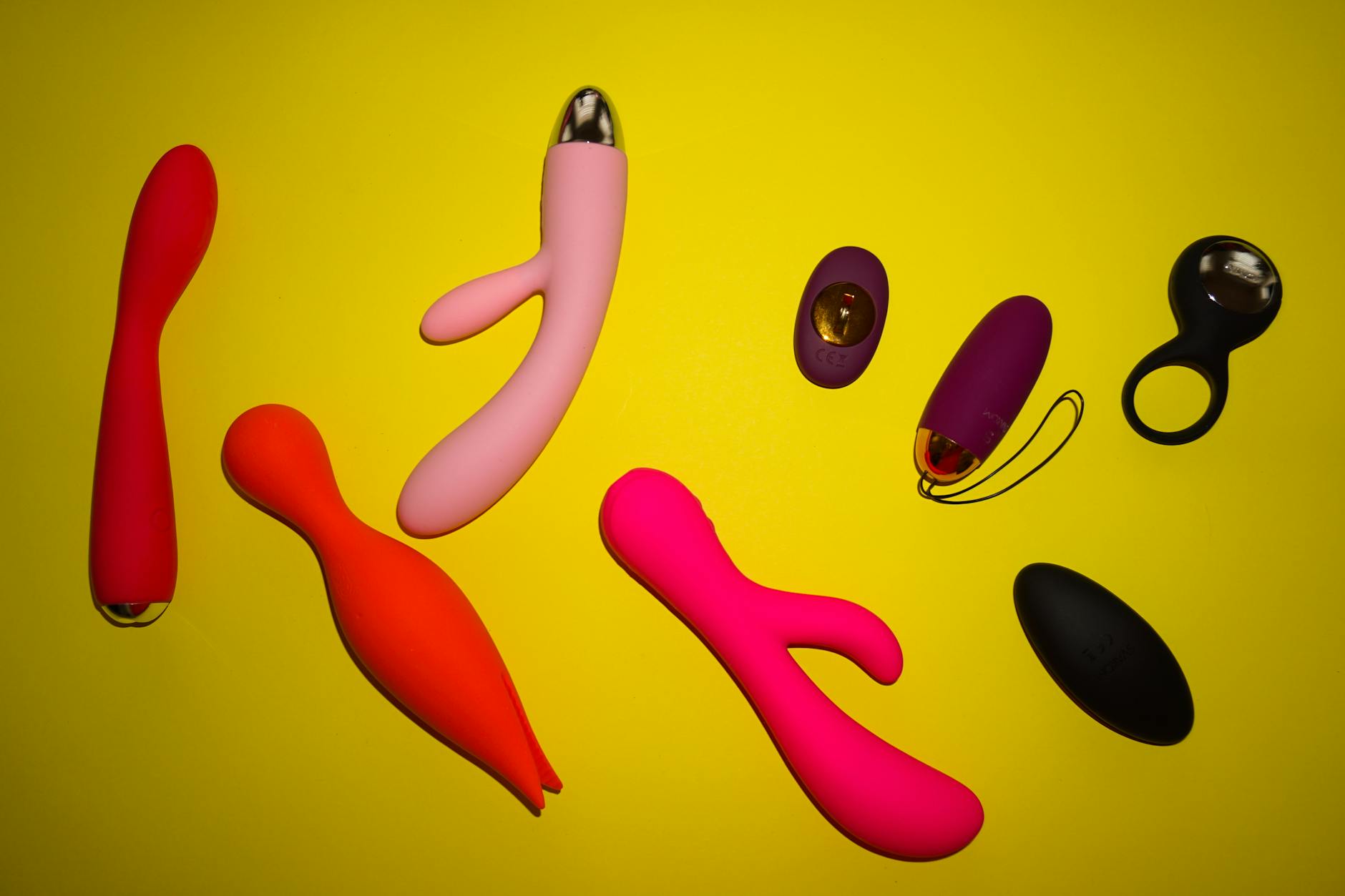
The reality nobody talks about
Somewhere between 35 and 45, arousal gets slower. Not gone, not broken. Just slower. You might need 20 minutes instead of 5. Your clitoris might take longer to swell. Your body's natural lubrication might arrive on a different schedule. And here's what nobody bothers to tell you: that's completely normal, and it's not something you need to fix.
The tricky part is that many people interpret this change as a personal failure. They think their body is failing them, or their desire is diminishing, or their partner is less attractive. None of those things are true. What's actually happening is physiological. Your estrogen levels are shifting, your skin's elasticity is changing, and your nervous system's response pattern is evolving. These are facts, not judgments.
The good news? Understanding what's changed means you can work with it instead of against it.
Why arousal timelines shift after 40
Your body isn't slowing down to punish you. Three main things are happening biologically.
First, estrogen fluctuations affect blood flow to the clitoris and vaginal tissues. When estrogen drops (which starts gradually in your late 30s), the tissues become thinner and less engorged with blood. That engorgement is part of what creates that feeling of readiness. Less blood flow means a gentler, slower buildup.
Second, your nervous system's responsiveness changes. In your 20s, your body might respond to a thought, a glance, a text message. After 40, your nervous system often needs more direct, sustained input to shift from the "off" state to the "on" state. This isn't a reduction in your capacity for pleasure. It's a change in the pathway that gets there.
Third, your skin changes. The dermis loses collagen. The clitoral tissue becomes slightly less turgid. Again, this doesn't make pleasure impossible. It just means the route to pleasure might be different. Where friction alone used to work, you might now benefit from sustained pressure, suction, or a longer warm-up.
Why lemon vibrators fit this timeline perfectly
Lemon clitoral vibrators use suction, not vibration alone. That matters because suction does something friction-based toys can't: it creates sustained pressure and engages deeper nerve networks without requiring the same intensity of direct contact.
Here's why this specifically helps when arousal is slower.
Traditional vibrators work primarily through rapid oscillation. Your body has to recognize that input, route it through your nervous system, and build sensation cumulatively. It's effective, but it requires a certain level of baseline arousal to feel good. If you're starting from a place where your body is less responsive, you might feel like you're working harder than you should be.
Suction stimulation bypasses some of that. The moment you apply a lemon vibrator, it's creating a different type of pressure. The suction engages the clitoral tissues and surrounding nerve clusters in a way that doesn't depend on vibration frequency. For people whose arousal is slower, this often means the pleasure response kicks in faster.
You're not trying to vibrate your way to arousal. You're inviting a different sensation, which often feels less like work and more like the foreplay you've been craving.
Building a longer arousal window that actually feels good
Longer arousal doesn't have to feel like a chore. The secret is building in activities and sensations that feel good in their own right, not just as a means to an end.
Start by expanding your foreplay definition. If you used to spend 5 minutes on foreplay before moving to penetration or solo stimulation, now you're looking at 20 to 30 minutes. That's not punishment. That's permission to do things that feel good for their own sake.
Touch your partner without expectation for the first 10 minutes. Not goal-oriented touch, not performative touch. Just touch that feels nice. Hands on skin. Kissing without rushing. This isn't just romantic sentiment. When your nervous system isn't under pressure to "get there," your body actually arousal faster. Counterintuitive, but true.
After that baseline comfort is established, introduce your lemon vibrator. Start on the lowest suction setting. Many people find that even the gentlest setting of a clitoral suction toy feels more engaging than a traditional vibrator on medium intensity. Spend time noticing how your body responds. You don't have to push toward orgasm. You're just exploring sensation.
The practical adjustments that matter
Four things that make the longer arousal window feel natural, not frustrating.
Lubrication, always. After 40, vaginal lubrication doesn't always arrive on the old timeline. Use a water-based lubricant from the beginning. Not because something is wrong with you, but because thinner tissue benefits from it. Your clitoris and vulva will feel more responsive when there's adequate moisture.
Temperature prep. A warm shower or bath before intimacy genuinely increases blood flow and makes your nervous system more responsive. You're not "getting ready" in a performance sense. You're literally warming the tissues and shifting your nervous system toward a more receptive state.
Longer sessions, lower intensity. Instead of aiming for a 30-minute session with climax in the last 5 minutes, aim for 30 minutes where the last 20 minutes are the interesting part. Use lower settings on your lemon vibrator. Pressure over speed. The slower buildup actually creates more intense sensation.
Mental space. This one matters more than people admit. If you're worried about how long this is taking, your sympathetic nervous system stays partially activated. You can't both be mentally anxious and physiologically aroused. Find a way to let go of the timeline. Maybe that's turning off your phone. Maybe it's putting your partner in charge while you just receive. Maybe it's listening to something that helps you relax. Whatever works.
Solo exploration on your own timeline
If you're exploring this shift alone, you have a huge advantage: zero pressure. You can spend as long as you want learning what your body responds to now.
Start with a lemon vibrator on the lowest setting, just exploring your vulva without trying to reach any particular outcome. Notice where you feel the most sensation. Notice whether certain patterns of suction feel better than others. Notice how your body's response changes the longer you spend time with it.
Many people find that after 10 to 15 minutes of this kind of exploratory touch, their arousal shifts. Not because they forced it, but because their body had the time and space to respond naturally.
This information matters when you eventually partner with someone else. You'll know what actually works for your body now, not what worked when you were 25.
When to talk to your partner about the timeline shift
If you're in a partnership, this conversation usually goes better when you separate two distinct topics.
Topic one: your body's natural timeline has shifted. This is informational and neutral. "My arousal now takes about 20 minutes instead of 5." That's not a complaint about your partner. It's data about your body.
Topic two: what you want to do about it. Do you want to build in longer foreplay? Do you want to explore new tools like lemon vibrators? Do you want to shift when intimacy happens in your day? These are collaborative decisions, not accommodations your partner needs to make begrudgingly.
When both people understand that the timeline shift is biological (not relational), the longer arousal window often becomes a feature, not a bug. It creates space for more foreplay, more presence, more actual enjoyment.
The surprising upside
I work with a lot of people navigating this shift, and I hear the same thing over and over: the sex got better.
Not better in spite of the slower arousal. Better because of it. When you can't rush, you pay more attention. When you have to build sensation slowly, you notice subtleties you might have missed before. When arousal takes 25 minutes instead of 5, you actually get to experience foreplay as a full sensory event instead of a speed bump before the main event.
Your body after 40 isn't less capable of pleasure. It's just capable of different pleasure, accessed through a different pathway. A lemon clitoral vibrator is one way to make that pathway feel easier and more enjoyable.
Frequently asked questions
How much longer does arousal actually take after 40?
It varies widely. Some people notice arousal takes 15 to 20 minutes instead of 5. Others find it takes 30 minutes or more. The key thing to know is that there's a huge range of normal. What matters isn't comparing yourself to your 25-year-old self. It's understanding your current body's timeline and working with it.
Can you speed up arousal, or do you just have to accept the slower timeline?
You can't return to your 25-year-old physiology, but you can optimize your current physiology. Stress reduction genuinely helps. Regular exercise increases blood flow. A lemon vibrator can kick-start sensation. The longer foreplay itself helps. You're not fighting your body's timeline. You're working with it in ways that feel good.
Do lemon vibrators feel different than traditional vibrators when arousal is slow?
For many people, yes. Because suction stimulation doesn't depend as heavily on baseline arousal before it feels good, lots of people find lemon clitoral vibrators feel more immediately engaging. You don't have to already be partially aroused for them to feel pleasurable. That can make a significant difference in how the longer arousal window feels.
Is slower arousal a sign of low desire, or just a slower buildup?
It's almost always just a slower buildup, not lower desire. Your interest in sex may actually increase after 40 once you remove the pressure to perform on a tight timeline. Many people report that their desire didn't decrease. It just had a longer fuse.
Should you use lubricant even if you're getting naturally lubricated?
Yes. After 40, even if you do produce natural lubrication, it often arrives after some arousal has already begun. Using a water-based lubricant from the start reduces friction, makes sensation feel more pleasant, and actually helps your body respond faster. You're not covering up a lack of natural lubrication. You're supporting what's already happening.
How do you talk to a partner about needing more foreplay without making them feel rejected?
Frame it as what you want, not what they're doing wrong. "I'd love if we spent more time on foreplay. I feel better when we do." That's collaborative. The alternative, "You rush through foreplay," puts them in a defensive position. Make it about your pleasure, not their failure.
What comes next
Slower arousal after 40 isn't a problem to solve. It's a reality to understand and work with. Once you do, the longer foreplay window often becomes one of the best parts of your sex life. You get to be present. You get to explore sensation without rushing. You get to ask for what feels good and actually have time to experience it.
A lemon vibrator is one tool that fits this timeline. But the real shift is permission. Permission to slow down. Permission to take 25 minutes instead of 5. Permission to explore your body's current pleasure map instead than trying to recreate the old one.
If you want to talk about what pleasure looks like for you right now, reach out. That's what we're here for.