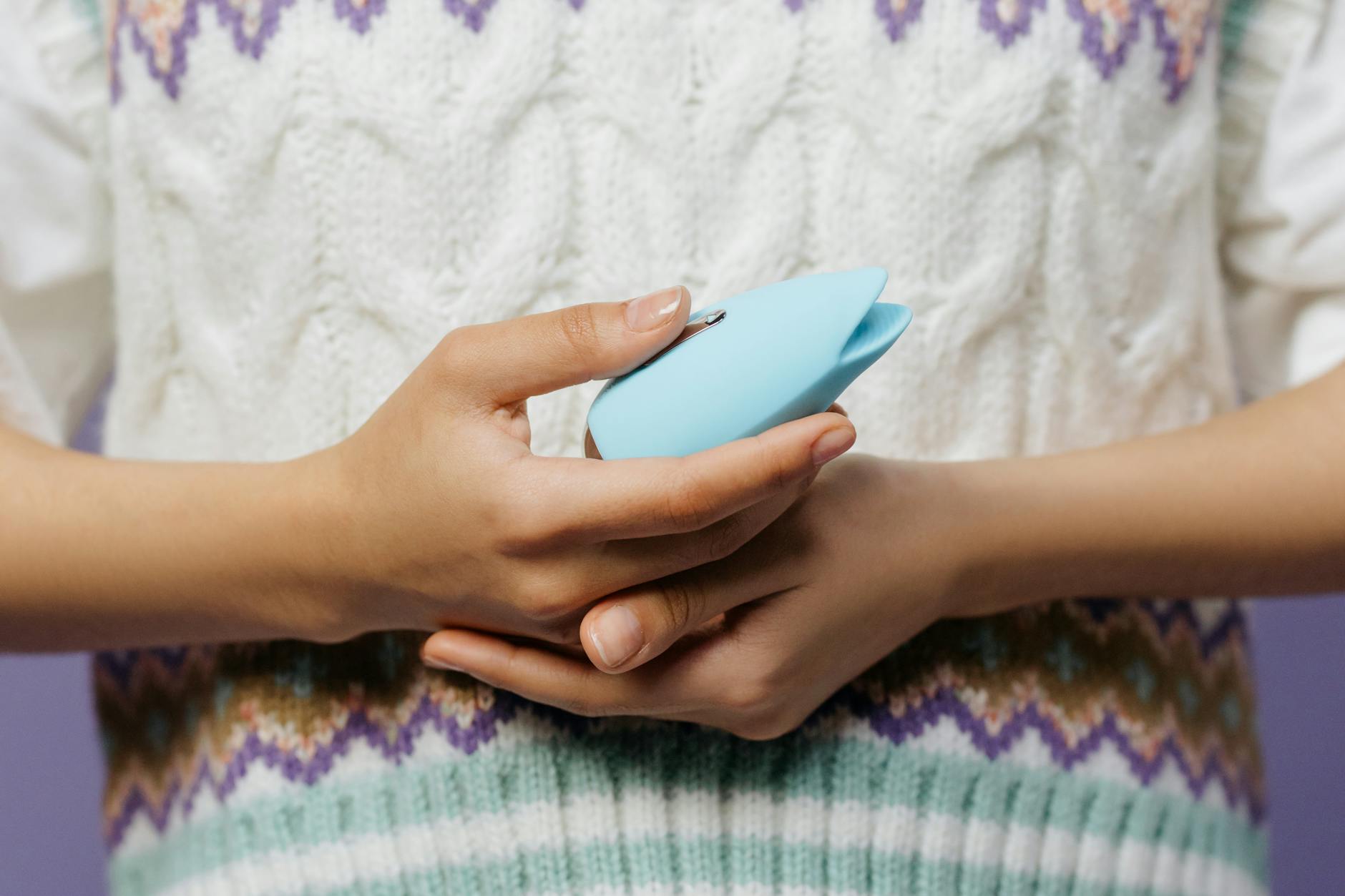
Here's what nobody tells you when you start the pill
Hormonal birth control does not kill your pleasure. But it does rewire how you get there. The first week on a new pill, ring, or patch, you might feel exactly the same. By week three, something shifts. Arousal takes longer. Orgasms feel muffled. Or you're suddenly wildly sensitive in ways you weren't before. And because nobody explained this as a normal side effect, you assume something's wrong with you.
It's not.
Hormonal birth control changes the baseline of your vulva and nervous system. That doesn't mean pleasure disappears. It means your body needs different input to reach the same destination. That's where understanding how lemon vibrators work with your new hormonal profile becomes genuinely useful.
What hormonal birth control actually does to sensation
Most hormonal contraceptives work by suppressing ovulation, which flattens the hormonal peaks and valleys you'd normally experience across a month. Instead of estrogen and testosterone spiking and dropping, your body maintains a steady, lower level. This consistency is the whole point for contraception. But it changes how blood flows to genital tissue, how quickly arousal builds, and how sensitive your clitoris feels to different types of stimulation.
Three things happen simultaneously:
Lower estrogen means thinner tissue. The vaginal and vulvar tissue becomes slightly less engorged and plump than it would be mid-cycle naturally. This isn't painful or broken. It just means the same touch pressure that felt electric before might feel duller now.
Testosterone drops. Yes, people with ovaries produce testosterone, and it's one of the primary drivers of desire. Hormonal birth control typically lowers it further. Many people report their sex drive dips in the first month or two, then stabilizes. But some find that spontaneous desire never fully returns to baseline. That's real and worth naming.
Blood flow patterns change. Arousal depends on blood pooling in genital tissue. When hormones are flatter, that mechanism works more slowly. You might need 20 minutes to reach the arousal level that used to take 10. This isn't a sign of lower libido. It's a biomechanical shift.
Why lemon vibrators often feel better during hormonal shifts
This is the key insight. Traditional vibrators work through rapid oscillation. The Lem and other lemon suction toys work through gentle suction and release cycles. Here's why that matters when your hormones change.
With lowered estrogen and a thinner clitoral hood, direct vibration can overstimulate or feel too intense. You end up turning the device down or giving up. Suction stimulation, on the other hand, engages the entire clitoral complex. The Lem creates a sealed micro-environment that draws blood into the tissue and stimulates the internal branches of the clitoris, not just the external nub. For people on hormonal birth control, this often means better sensation without cranking up the intensity.
If you've tried traditional clitoral vibrators and found them numbing or uncomfortable after starting birth control, a lemon clitoral vibrator like the Lem often feels like it was designed for this exact situation. It is, partly. The suction mechanism works with reduced tissue volume, not against it.
The first month adjustment window
Don't overhaul your whole routine in week one. Your body needs time to stabilize on the new hormonal dose. Here's a practical timeline.
Weeks 1-2: You might feel completely normal. Enjoy that. Don't assume everything's the same yet.
Weeks 3-4: Noticeable shifts emerge. Arousal might take longer. Orgasms might feel less intense or come from different angles. This is the moment people panic. Don't. Your body is adjusting.
Weeks 5-8: By the end of your first pill pack or the equivalent, you'll have a clearer picture of your new baseline. This is when you actually know whether pleasure has genuinely changed or if it was just the adjustment period.
Wait until at least the end of month two before deciding a birth control method isn't working for you sexually. That's when your system truly stabilizes.
Practical adjustments that actually help
Four things I recommend to people navigating pleasure after starting hormonal birth control.
Budget more time for arousal. If you typically need 10 minutes of foreplay to be ready, plan for 15 or 20 now. This isn't a setback. It's just a new rhythm. Many people find they actually prefer the longer warm-up because it builds more anticipation.
Start with pattern one. If you're using a lemon vibrator like the Lem, begin on its gentlest suction setting. You can always increase intensity. It's harder to recover from overstimulation.
Pay attention to where you are in your pill pack. Even on hormonal birth control, you're not completely flat all month. The hormone dose drops during the placebo week. Some people notice slightly better sensation in that window. This is subtle, but worth tracking if you journal about pleasure.
Use water-based lubricant every time. Thinner tissue benefits from external moisture. It's not a sign you're broken. It's just smart logistics. Any good water-based lube works. Silicone-based lubes don't play well with silicone toys, so stick to water-based if you're using a Lem or similar product.
When to consider switching methods
Hormonal birth control isn't monolithic. Different pills, patches, rings, and implants contain different hormone doses and ratios. A pill that flattens your desire might be different from an IUD that barely touches your hormones. If after two or three months you're genuinely losing pleasure and it's affecting your relationship or your happiness, bring it up with your provider.
You don't have to suffer through a method that doesn't work for you. It's worth trying a different formulation. Some people thrive on the mini-pill, which is lower dose. Others find that the copper IUD (non-hormonal) works better than any hormonal option. Your provider might push back or minimize your concern. Push back on the pushback. Sexual satisfaction is a legitimate part of reproductive health.
The pleasure permission that matters
Here's what I've learned from years of working with couples through these transitions. The people who adapt best to hormonal birth control aren't the ones who accept a lower pleasure ceiling. They're the ones who treat it as a recalibration, not a loss.
Your pleasure hasn't gone anywhere. It just lives at a different address now. Lemon clitoral vibrators, longer warm-up time, different positioning, explicit communication with a partner if you have one. these aren't workarounds. They're your pleasure rewritten in a new language. Learning that language is not a chore. It's permission to know your body more deeply than you did before.
Frequently asked questions
Can hormonal birth control permanently damage my ability to orgasm?
No. The changes are reversible. If you stop hormonal birth control, your hormone levels and sensation typically return to baseline within one to three months. That said, some people find their pleasure geography genuinely improves while on birth control. Stick with any method for at least three months before deciding it's not for you. Your body needs time to adapt.
Why does my Lem feel different now than it did before I started birth control?
Thinner tissue and slower arousal ramp mean you might need to start on a gentler suction setting or use lubricant when you didn't before. This isn't the Lem changing. Your body is. Most people find that once they adjust their approach, the device works beautifully on their new baseline. If it still feels uncomfortable, check that you're using it on pattern one and have adequate lubrication.
Is it normal for my sex drive to drop when I start hormonal birth control?
Yes and no. A temporary dip in the first month or two is common and often resolves. A persistent drop that lasts three months or longer can signal that the hormone dose or type isn't right for you. Bring it up with your provider. Desire matters, and you're allowed to prioritize it when choosing a contraceptive.
Should I try a different lemon vibrator if sensation feels muted on the pill?
Before you switch devices, try adjusting technique first. Use more lube, start on pattern one, and give yourself a longer arousal period. If you've done all three and still feel nothing, then trying a different suction toy might help. But often it's not the device. It's the approach.
Can I use my regular vibrator differently to get the same feeling as before?
Maybe, but probably not. Traditional vibrators rely on intensity and speed to create sensation. When tissue is thinner and arousal slower, cranking up the vibration can lead to numbness rather than pleasure. Lemon suction toys work with your new physiology, not against it. That's why many people find they're better suited to hormonal birth control bodies than standard vibrators.
How long does it take to get used to pleasure changes after starting birth control?
Two to three months is the standard adjustment window. By month three, you'll know your new baseline. Some people adapt in four weeks. Others need closer to four months. If it's genuinely impacting your quality of life at the three month mark, that's worth discussing with your provider.
What comes next
Starting hormonal birth control is choosing something for your future self. That future self deserves to know that pleasure shifts don't mean pleasure loss. They mean adaptation. A lemon clitoral vibrator, some patience, and permission to explore your body as it is now, not as it was before. That's not a compromise. That's actually the point.