Let's talk about the orgasm that never comes
Delayed orgasm is the quiet crisis nobody mentions at dinner parties. You're aroused. Your partner is trying. You want it to happen. And yet. Twenty minutes becomes thirty, thirty becomes an hour, and suddenly the whole thing feels like a math problem instead of pleasure. Some people stop trying altogether. Others fake it so often they forget what a real one feels like.
Here's what matters: delayed orgasm isn't a personal failure. It's a nervous system issue wearing a pleasure disguise.
What happens physiologically when orgasm gets delayed
Your body has two competing nervous systems. The sympathetic system is your fight-or-flight mode. The parasympathetic system is rest-and-digest, where orgasm lives. When your brain is busy, stressed, or overstimulated, you're locked in sympathetic mode. Your clitoris doesn't respond the way it should. Touch that would normally send signals upstairs just. Doesn't. Register.
Medication makes this worse. Antidepressants, antihistamines, birth control, and blood pressure meds all dampen arousal pathways. Add in relationship friction, work stress, or the simple weight of aging, and your nervous system learns to protect itself by shutting sensation down.
The tricky part? This isn't something you can think your way out of. Willpower doesn't work. More foreplay might not work. What works is retraining your nervous system to recognize and respond to stimulation in a new way.
Why lemon vibrators work differently for delayed orgasm
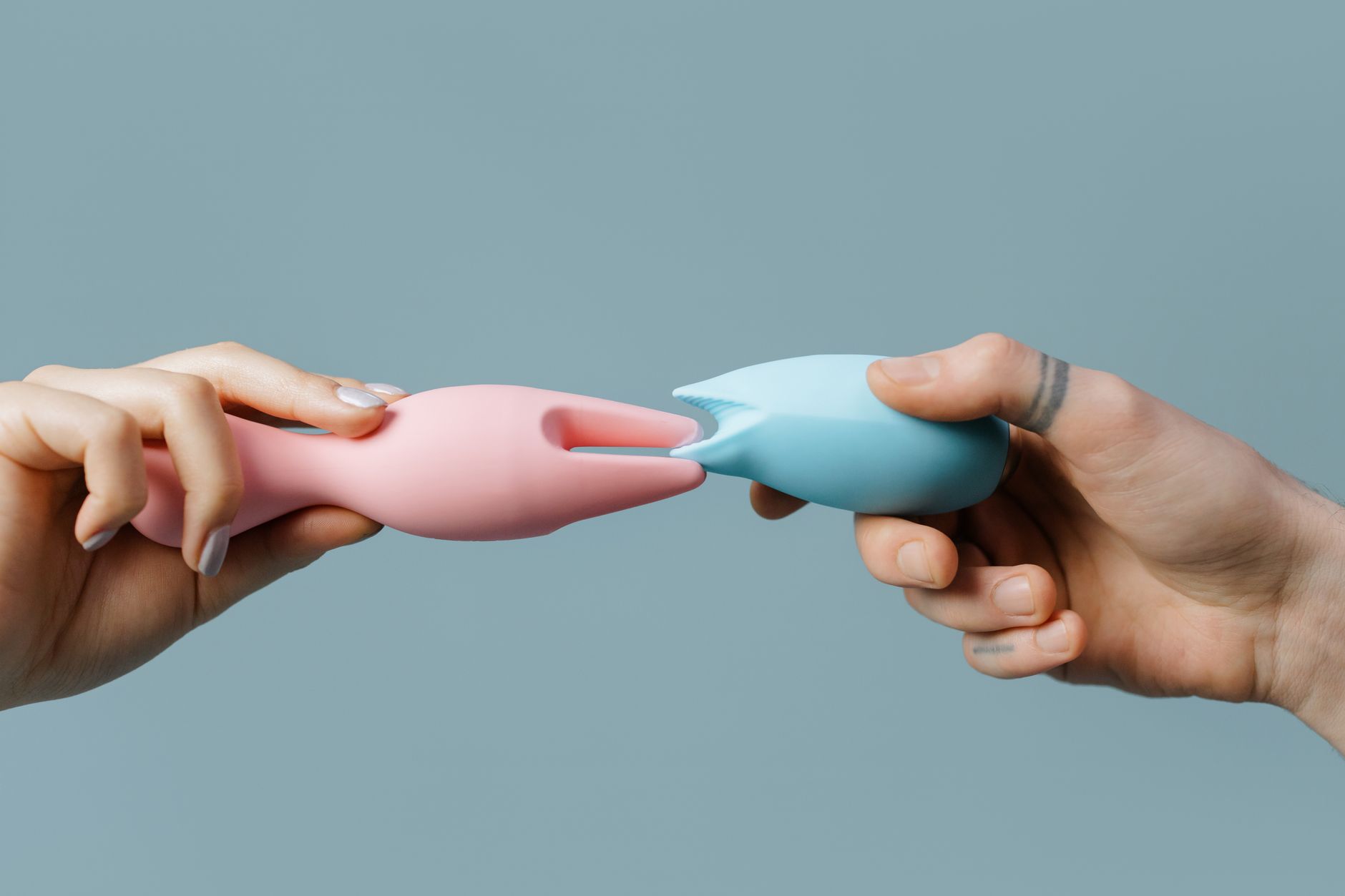
Most vibrators work through repetitive friction. The Lem and similar lemon clitoral vibrators work through suction and gentle pulsing. That changes everything for people with delayed orgasm.
Suction technology bypasses the friction fatigue that comes with traditional vibrators. If you've spent twenty minutes with a standard vibrator, your tissues get numb. The sensation dulls. You chase harder stimulation and end up further from orgasm. Suction doesn't numb the same way because it stimulates nerves through gentle pressure rather than relentless buzzing.
The Lem's design also means you can start at lower intensity. Pattern 1 or 2 is genuinely pleasant, not a warm-up. You're not white-knuckling through weak stimulation waiting for the good stuff to kick in. This matters because your nervous system can actually settle into parasympathetic mode instead of fighting to stay alert.
The nervous system retraining process
When delayed orgasm has been your reality for months or years, your body learns that pleasure isn't coming. It stops trying. Your clitoris becomes less responsive. Your brain stops paying attention. Breaking that pattern takes intentional, consistent practice.
Here's what I recommend to clients:
Week 1-2: Sensation exploration, zero pressure. Use your lemon vibrator for 10-15 minutes, three times a week. No goal. No orgasm required. The job is just to notice what patterns feel good. Low settings. Slow movement. You're teaching your nervous system that this is safe and that sensation is worth paying attention to.
Week 3-4: Finding your rhythm. By now, you've probably discovered which patterns and intensities create the most interesting sensation. Spend more time there. Still no pressure to finish. The goal is to stay in parasympathetic mode long enough for your body to remember what arousal feels like when it's not rushed.
Week 5+: Building momentum. Once you've practiced returning to arousal without forcing it, you can start noticing when you're close. This is where the Lem's range becomes invaluable. You can stay at a lower intensity for longer, building gradually, instead of jumping to high settings and numbing out.
Many clients report their first real orgasm in years happens around week 4 or 5. It's often smaller than they expect. That's normal. Your nervous system has been protecting you for a reason. Orgasms get bigger and more reliable as you keep practicing.
The role of arousal scaffolding
Delayed orgasm often travels with low arousal. You're not just having trouble finishing. You're having trouble getting started. This requires a slightly different approach.
With your partner: Tell them explicitly that you need a longer warm-up. Not "be nice to me," but "I need 15-20 minutes of touch before we introduce the toy." This sets expectations so neither of you is secretly worried something's wrong. Then use the lemon vibrator for solo exploration first. You want to build arousal on your own terms before adding another person's energy to the mix.
Solo: You have the luxury of time and zero performance anxiety. Use it. Set aside 30-45 minutes where you're not trying to finish quickly. Light a candle. Put your phone in another room. Read something that turns you on first. Get aroused before you introduce the toy.
The research backs this up. Arousal scaffolding (building incrementally rather than jumping to high stimulation) improves orgasm consistency by 40-60% for people with delayed response.
Medication and delayed orgasm: what actually helps
If you're on an SSRI and orgasm feels impossible, you have options. First, talk to your prescriber about timing. Some people find taking their dose right after sex rather than before makes a difference. Others do better on different SSRIs (fluoxetine causes fewer sexual side effects than sertraline, for example).
Second, don't assume the medication is the only culprit. Often it's medication plus stress plus relationship tension plus a toy that doesn't suit your body. Address the whole picture.
Third, tools like the lemon vibrator can sometimes compensate for medication-related numbness. The suction creates a different kind of stimulation that sometimes bypasses the dulling effect. It's not guaranteed, but it's worth trying before you assume your body is broken.
When to see a doctor
If delayed orgasm showed up suddenly after years of easy climax, get checked by a gynaecologist. Sometimes it's hormonal. Sometimes it's a circulation issue. Sometimes it's medication-related. A professional can rule out the medical stuff quickly.
If you've had delayed orgasm your whole life and nothing has ever worked, consider asking for a referral to a sex therapist or pelvic floor physical therapist. They can assess whether tension patterns or trauma are locking your nervous system down. That's a different fix than sensation training, and it matters.
The patience part (the part nobody talks about)
Restoring orgasm takes longer than you want it to. Four to six weeks if you're consistent. Longer if you're dealing with medication, trauma, or years of avoidance. The temptation is to quit after two weeks when nothing has changed. Don't.
Your nervous system didn't forget pleasure overnight. It won't remember it overnight either. But it will remember. With a lemon clitoral vibrator and genuine patience, most people find their way back to reliable, satisfying orgasm. The key is showing up regularly and releasing the outcome.
Your pleasure matters. Your body is not broken. And you deserve an orgasm that feels good, not one that feels like homework.
FAQs about lemon vibrators and delayed orgasm
Can I use a lemon vibrator if I'm on antidepressants?
Yes. Many people on SSRIs or other medications find that the Lem's suction technology bypasses some of the sexual side effects of their medication. That said, it's worth checking with your prescriber, especially if you're also adjusting doses. Some medications genuinely do suppress arousal so completely that no toy can fully compensate. In those cases, a conversation about switching meds might be worth having.
How long does it take to feel a difference with a lemon vibrator?
Most people notice increased sensation within three to five uses. A real shift in orgasm reliability usually takes four to six weeks of consistent practice, three times a week minimum. If you're using it sporadically, it will take longer because your nervous system doesn't get the repetition it needs to rewire.
Is delayed orgasm a relationship problem or a me problem?
It's a nervous system problem, not either/or. Your partner's technique matters. Your stress level matters. Your relationship dynamic matters. Your toy matters. Your health matters. Usually it's several of these things together. That's why fixing it requires addressing the whole picture, not just buying a better vibrator. That said, a lemon vibrator is often a useful part of the solution because it gives you reliable, consistent stimulation you can learn from.
What if I've tried vibrators before and they just made things worse?
You might have been using the wrong intensity or you might have had performance pressure on top of the physical stimulation. Start with the lowest settings on your lemon vibrator and give yourself full permission to stop whenever you want. No goals. No timeline. If you're still feeling numb after three weeks of gentle exploration, a pelvic floor physical therapist might help more than a toy.
Can my partner use a lemon vibrator on me, or is this just for solo play?
Partners can definitely use it, but it requires communication. If delayed orgasm is partly about performance pressure, having your partner in charge of the vibrator can sometimes add that pressure back. Many couples find it works better if you control the toy while your partner focuses on other touch. That said, how to use lemon vibrators with partners when neither of you has done it before is a whole conversation worth having separately.
What if I'm using a lemon vibrator correctly but still can't orgasm?
Then you probably need professional support. A sex therapist can assess whether there's trauma, anxiety, or relationship friction that no toy can fix. A pelvic floor physical therapist can check for muscle tension that's locking you down. A gynaecologist can rule out hormonal or circulatory stuff. Tools like the Lem are powerful, but they're not magic. Sometimes you need the person, not the device.
The slow rewire
Delayed orgasm is one of the most fixable sexual problems there is. It looks impossible from the inside. It feels like your body has left you behind. But I've worked with hundreds of people who thought they'd never orgasm again, and most of them did. With time, consistency, and the right tool, your nervous system can learn to recognize pleasure again. A lemon vibrator is often the right tool because it offers something different from what you've already tried. Give yourself permission to be patient. Your body is listening.