Here's the thing about recovery and intimacy
When your partner is healing from surgery or injury, sex doesn't just stop. It gets complicated. Pain, medication side effects, fear of causing harm, and the psychological weight of feeling broken all pile up at once. Most couples either avoid touch entirely or try to resume what used to work and hit a wall of discomfort halfway through.
I work with couples in this exact situation regularly. The good news: intimacy doesn't have to be on pause. It just needs to be smarter.
Why traditional approaches break down during recovery
The problem with most vibrators after surgery is simple. They require positioning that puts pressure on healing areas. A wand vibrator, even a gentle one, means your partner has to stabilize themselves, control the angle, or hold still for extended time. All of that adds pain, tension, and anxiety to something that's supposed to feel good.
Air-suction toys like the Lemon work differently. They use gentle suction waves instead of direct vibration, which means less pressure, less pain trigger, and more sensation with zero friction. For someone healing from abdominal surgery, pelvic floor work, or hip procedures, that distinction is massive.
The second issue is psychological. After surgery, bodies feel foreign. Touching the area that was cut, pinned, or sutured triggers fear and dissociation. Your partner might want pleasure but their nervous system keeps hijacking the experience. A toy that focuses stimulation away from the surgical site, without your partner having to grip or brace, helps them stay present instead of bracing for pain.
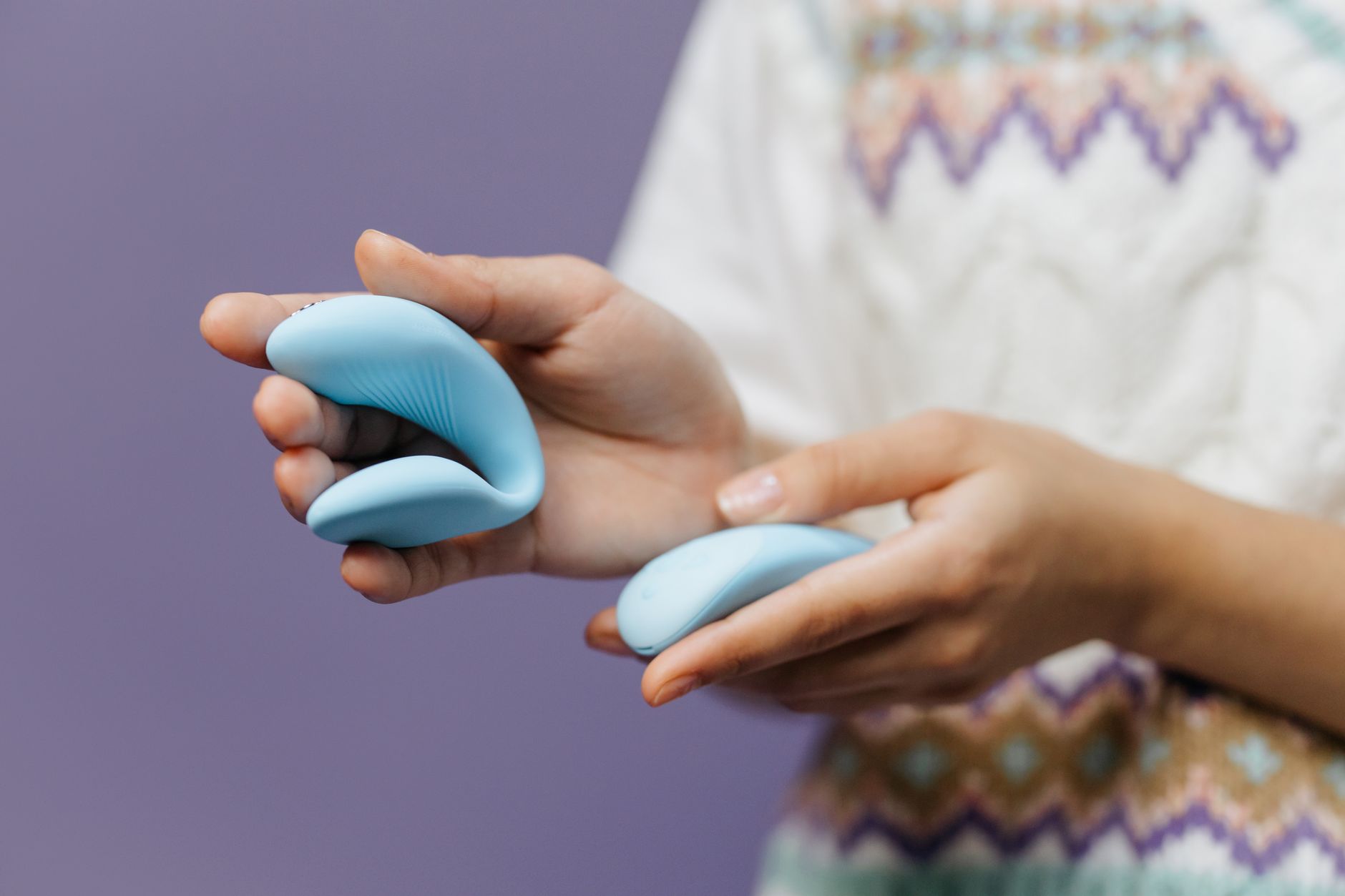
Photo by cottonbro studio on Pexels
What recovery timeline actually means for intimacy
Most post-surgical clearance happens in phases. Your partner's surgeon clears penetration first, usually around 4-6 weeks. Vigorous movement and positions that put weight on the surgical site come later. What they rarely mention: external clitoral stimulation is often fine much earlier because there's no pressure on the healing area.
That's where air-suction tools come in. They deliver intense, focused sensation exactly where it matters most without requiring movement from your partner or putting load on any part of their body that's fragile.
For someone recovering from gynecological surgery (hysterectomy, fibroid removal, endometriosis excision), this timing is crucial. Their surgeon might clear external pleasure before penetration. For someone healing from orthopedic surgery (hip, knee, lower back), the rules shift again. The goal in every case is the same: sensation without burden.
How positioning changes everything
Pain and pleasure live in different nervous system channels, but they compete for attention. The moment your partner feels even low-level pain, pleasure gets crowded out. Your positioning during recovery has to eliminate pain triggers entirely.
Three things I recommend:
Support the injury site completely. If your partner had abdominal or pelvic surgery, they need pillows under their lower back and hips so they're not bearing any weight. If they're lying flat, use a bolster under the knees. The goal is zero muscular bracing. They should feel held by the furniture, not by their own effort.
Keep their upper body elevated. Lying flat puts tension on healing abdominal muscles. A 30-45 degree angle (propped up on pillows or using the bed's adjustable base) lets them relax completely while staying present and able to respond.
Give them control of depth and angle. With a lemon clitoral vibrator, your partner controls the pressure and positioning. They can angle it the way feels best, pull back if they need to, and never worry about you accidentally hitting a tender spot. That autonomy is mental medicine for someone who's felt their body hijacked by surgery.
Why lemon vibrators specifically help more than others
Air-suction technology isn't new, but it's radically underused during recovery. Here's why it matters more than regular vibrators:
Regular vibrators use oscillation or rotation. That means friction, direct pressure, and often a need for lubrication. For someone with post-surgical dryness (from anesthesia, medications, or hormonal shifts from surgery), friction becomes painful fast. Lemon vibrators use gentle suction pulses instead. The sensation builds without friction.
The intensity ramps smoothly. With a lemon clitoral vibrator, you start at pattern 1 or 2. There's no harsh on-off, no sudden jolt. The sensation builds predictably, which helps your partner's nervous system stay calm instead of bracing for intensity changes.
They're hands-free once positioned. Your partner doesn't have to grip, guide, or hold anything. They just lie there and receive. That matters enormously for someone healing from surgery who's been exhausted by the act of recovery itself.
The emotional layer nobody talks about
Here's where the clinical stuff meets real life. After surgery, your partner might feel deeply unsexy. Their body was cut open. They have scars, possibly drains or bandages, and they've been poked by medical teams for weeks. Pleasure can feel like a foreign concept.
Your role here is to stay patient but also to show that their body still deserves pleasure. When you introduce a lemon clitoral vibrator gently, without pressure, you're saying "I want you to feel good. Your pleasure matters. Your body still works."
That message does more healing than any vibrator alone. But combining that message with a tool that feels genuinely good, without pain, without effort? That's what rebuilds intimacy after trauma like surgery.
Practical timing and medication considerations
Your partner is likely on pain medication for at least the first few weeks. That's important because pain meds dull sensation broadly, not just pain. So expectations for intensity need to adjust.
Wait until they're on the lowest effective dose of pain medication before introducing pleasure play. Peak medication levels can make sensation feel muted or numb. Most people find they get better clitoral sensation 2-3 hours after taking pain meds, when the level is steady but not peaking.
If your partner is on anxiety medication post-surgery (common, honestly), that can also affect arousal. Nothing's wrong with them. Bodies under stress don't produce the same arousal chemicals. Start with lower expectations about intensity or speed to orgasm. This is about sensation and connection, not performance.
When to check in with the surgeon
Clear external pleasure with their surgeon before you start. Most gynecologists and orthopedic surgeons will say yes, but the specifics matter. If there's a surgical site near the vulva or groin, you need their explicit approval. If the surgery was abdominal or further away, external clitoral play is almost always fine from week 3-4 onward.
If your partner experiences sharp pain, increased bleeding, or feels something "pop" or shift, stop immediately and contact their surgeon. That's not a failure. That's your nervous system protecting you both.
Recovery intimacy isn't about getting back to normal. It's about building something new that honors where your partner's body is right now.
Signs that lemon vibrators are working for your partner
You'll notice: relaxation. Not tension. Their breathing slows, their shoulders drop. They're not bracing. They might take longer to reach orgasm than before surgery, and that's completely normal. Some people feel sensations more acutely post-recovery because they're paying attention instead of rushing through.
They might also feel emotional. Pleasure after surgery can crack open a lot of feelings. Grief about what their body went through, relief that sensation is back, tenderness toward you for being patient. All of that's healthy. Let it exist without trying to fix it.
FAQ
How soon after surgery can we use a lemon vibrator?
Most surgeons clear external pleasure play around week 3-4 post-op, once initial healing is solid. Always ask your partner's surgeon specifically. Every procedure is different, and some require longer wait times. When you do start, begin gently and watch for any pain or unusual sensations.
Will using a vibrator delay healing?
No, as long as you're following surgical clearance and avoiding the surgical site itself. External clitoral stimulation doesn't interfere with internal healing. If anything, the pleasure response triggers helpful blood flow and releases endorphins, which support healing.
What if my partner feels numb or can't orgasm after surgery?
That's temporary. Nerve swelling, medication effects, and psychological anxiety all dull sensation initially. Give it time. Many people find that starting with a lemon clitoral vibrator in a low pattern (1-2) helps them rediscover sensation gradually. The key is zero pressure to perform. This is about presence, not outcomes.
Should we use lubricant with a lemon vibrator during recovery?
Water-based lube is your friend. Post-surgical bodies often have dryness from medications or anesthesia. Even though air-suction toys don't require lube the way friction-based vibrators do, a little lube makes the suction feel more comfortable and reduces any slight tugging sensation. Always use water-based with silicone toys.
Can we include penetration after we start with external stimulation?
Talk to your partner's surgeon about the timeline for penetration specifically. Most people are cleared for penetration 6-8 weeks post-op depending on the procedure. When you do restart, go slowly. Start with your fingers or a small toy, communicate constantly, and remember that pain is a stop signal, not something to push through.
What if my partner has anxiety during recovery play?
That's normal and shows you're on the right track by going slow. Acknowledge it. "We can pause whenever you want. There's no rush." Use a lemon clitoral vibrator on the lowest setting, focus on slow breathing together, and prioritize connection over sensation. Some couples find that just holding each other and using the vibrator without aiming for orgasm helps rebuild trust in their body.
The bigger picture
Recovery from surgery is a moment to rebuild intimacy intentionally. You're not going back to what you had before. You're building something new that's informed by vulnerability, attention, and care. A lemon clitoral vibrator is just a tool, but it's a tool that makes pleasure possible without pain, without effort, and without pressure.
Your partner's body is healing. So is your relationship. Both need patience, attention, and the understanding that slow is better than rushed. When you approach recovery intimacy that way, you often emerge with something deeper than what you had before.
Ready to explore how to support your partner's pleasure recovery? Let's talk about what might work best for your situation. Reach out to Hello Nancy if you want guidance tailored to your specific recovery timeline or concerns.