Let's be real about what infidelity does to pleasure
Betrayal doesn't just hurt emotionally. It rewires your nervous system. Your body stops trusting pleasure because pleasure, for so long, was entangled with someone else. Maybe you can't orgasm the way you used to. Maybe touch feels invasive even when it's wanted. Maybe you've gone numb in a way that feels protective but also feels like loss.
Here's what I see clinically: people who experience infidelity or deep betrayal often disconnect from their own pleasure as a form of self-protection. If you don't want it, nobody can take it. If you don't feel it, you can't be hurt by it. Your body's logic is sound. Your nervous system is doing exactly what it learned to do.
But you're here because you're ready to change that.
Why disconnection happens after betrayal
When someone we trusted violates that trust sexually, the threat isn't just to the relationship. It's to your sense of safety in your own body. Your vulnerability was weaponized. So your nervous system does what it's designed to do: it locks down.
That lockdown looks like numbness, dissociation during sex, difficulty with arousal, or complete loss of desire. It's not broken. It's protective. And it's entirely reversible, though the timeline is yours alone.
The second layer is cognitive. You may have intrusive thoughts during moments of pleasure. Images that don't belong. Comparisons. Anger that surfaces right when you're trying to feel good. Your brain is trying to keep you safe by refusing to let your guard down. Again, smart system. Wrong context now.
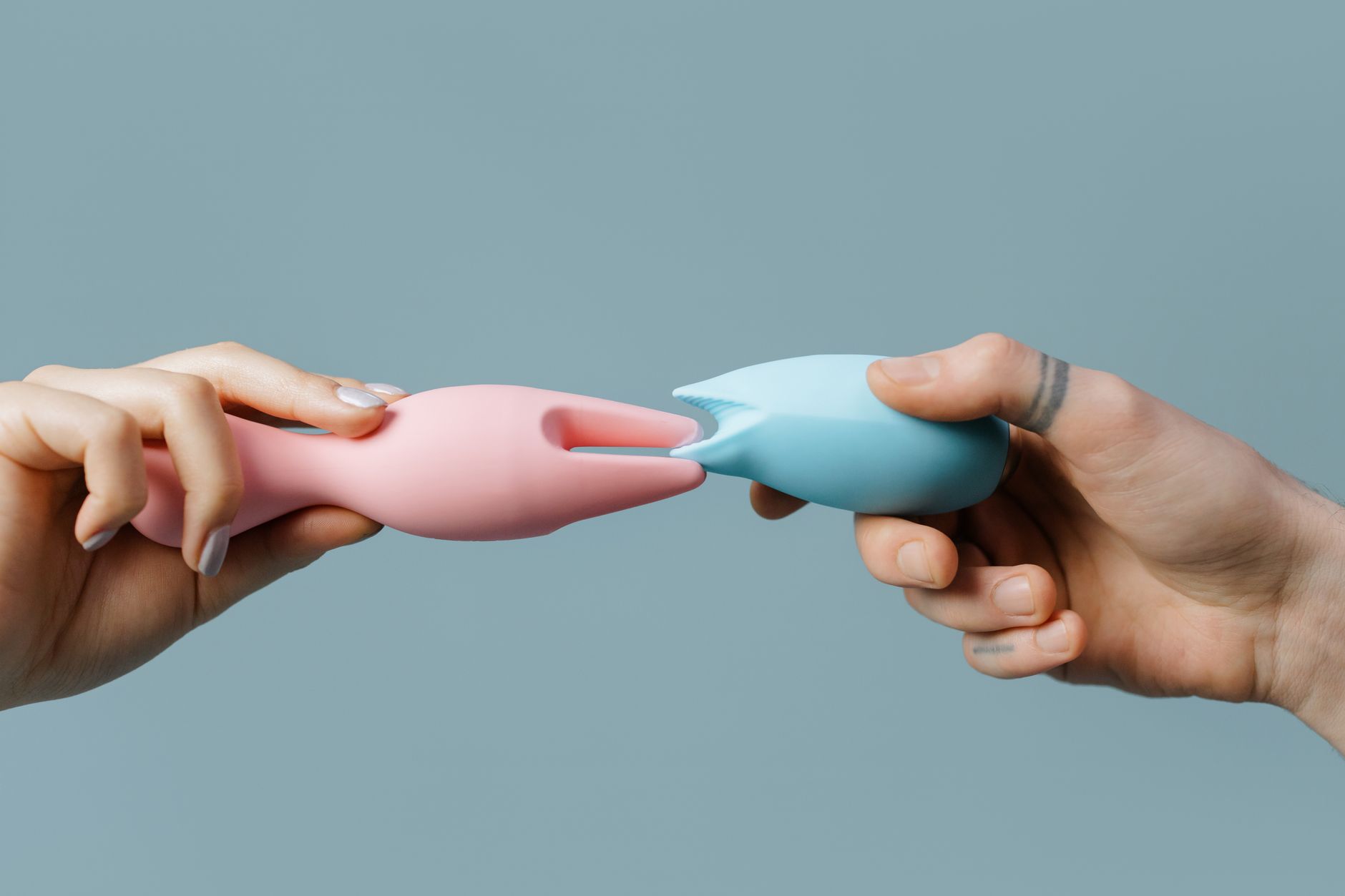
Suction-based stimulation like the Lem works particularly well here because it bypasses some of that cognitive noise. Suction feels fundamentally different from what many people associate with partnered sex. It's external, focused, and entirely under your control. For trauma-informed pleasure recovery, that distinction matters.
How lemon clitoral vibrators support reconnection
I recommend lemon adult toys and specifically air-suction devices to clients rebuilding pleasure after betrayal for three specific reasons.
First, they're solo. There's no partner involvement, which means zero performance pressure and zero associations with the person who hurt you. Your pleasure is entirely yours. That boundary is non-negotiable when you're rebuilding trust in your own body.
Second, the suction mechanism itself feels different enough that it doesn't trigger the same neural pathways that partnered sex does. You're not recreating a familiar experience. You're creating a new one. That newness is grounding. It signals safety to your nervous system because it's different from the context where betrayal happened.
Third, lemon vibrators and similar clitoral vibrators give you precision control. You choose the intensity, the pattern, the duration, the stopping point. Full agency. After someone has violated your boundaries, agency over your own pleasure becomes foundational to healing.
Building tolerance back into your nervous system
Reconnecting to pleasure after betrayal isn't a straight line. Some days you'll feel open and present. Other days, touching yourself will feel loaded with complicated emotions. Both are normal.
Here's what I recommend to start:
Begin with non-sexual touch. Hand cream. A soft blanket. Warm water. Nothing aimed at pleasure yet. Just noticing what feels good without stakes. This rewires the association between sensation and safety.
When you're ready to use a lemon vibrator or any clitoral vibrator, start at the lowest setting. Give your nervous system time to recognize this as safe stimulation. Many of my clients spend the first few sessions just getting used to the sensation without pursuing orgasm. That's exactly right.
If intrusive thoughts arrive, they're not a sign you're broken. They're a sign your nervous system is processing. You can pause, breathe, or redirect attention to physical sensation. Noticing: "I feel the suction on my clitoris. My skin is warm. This is right now, not then." Over time, those thoughts lose power.
When to include your partner in recovery
There's a common mistake couples make during betrayal recovery: they rush back to partnered sex as a way of proving the relationship is healed. It isn't. And pushing yourself into partnered intimacy before you've reconnected with solo pleasure almost always backfires.
Here's the healthier sequencing:
Week 1-2: solo exploration with your lemon vibrator, no goal of orgasm, just reconnection to sensation.
Week 3-4: continue solo pleasure while starting to rebuild emotional intimacy with your partner through conversation, non-sexual touch, vulnerability.
Week 5+: when you feel ready, include your partner in the pleasure journey. This might mean them watching, assisting, or eventually returning to partnered sex. But the foundation is that you've already proven to yourself that pleasure is safe.
Many couples find that introducing a clitoral vibrator during partnered sex actually makes the rebuild easier. The lemon vibrator or similar device becomes a bridge. It reminds both of you that the pleasure is about connection, not performance, and it often helps the partner with a vulva reach orgasm more reliably, which rebuilds confidence on both sides.
The emotional work that complements the physical
No toy, no matter how good, heals betrayal on its own. The lemon adult toys and clitoral vibrators are tools for reconnecting to your body. The emotional work is separate and essential.
That emotional work looks like processing the violation (often with a therapist), deciding whether the relationship is worth rebuilding, setting boundaries about what trust means now, and grieving what was lost. Those conversations can't happen in the bedroom. They have to happen first.
What I tell clients: your pleasure is non-negotiable now. It's not selfish. It's not something you need permission for. It's the foundation of knowing your body is yours again. Once you have that, everything else becomes possible.
When to seek additional support
If intrusive thoughts about the betrayal are persistent enough that you can't focus on pleasure even with solo exploration, that's worth discussing with a therapist who specializes in trauma or betrayal. EMDR, somatic experiencing, or trauma-informed CBT can help process those memories so they have less grip on your nervous system.
If you're rebuilding with a partner and sex feels physically painful or you're experiencing significant dissociation, a pelvic floor physical therapist or trauma-informed sex therapist can help. Sometimes the nervous system holds betrayal as physical tension or shutdown. That's treatable.
Most importantly: there's no timeline. Some people reconnect to pleasure in weeks. Others need months or years. Your body knows what it needs. The job is to listen and honor that, not to force a recovery timeline that looks good on the outside.
Quick reset: what reconnection actually feels like
Reconnecting to pleasure after betrayal often feels less like fireworks and more like relief. A moment where you realize you felt something without shame. A night where intrusive thoughts didn't show up. An orgasm that was just an orgasm, not a test of whether you've healed. These small moments accumulate. They're the evidence that your body is learning to trust itself again.
That's the real work. Not the toy. Not the technique. The decision to reclaim pleasure as yours, on your terms, in your time.