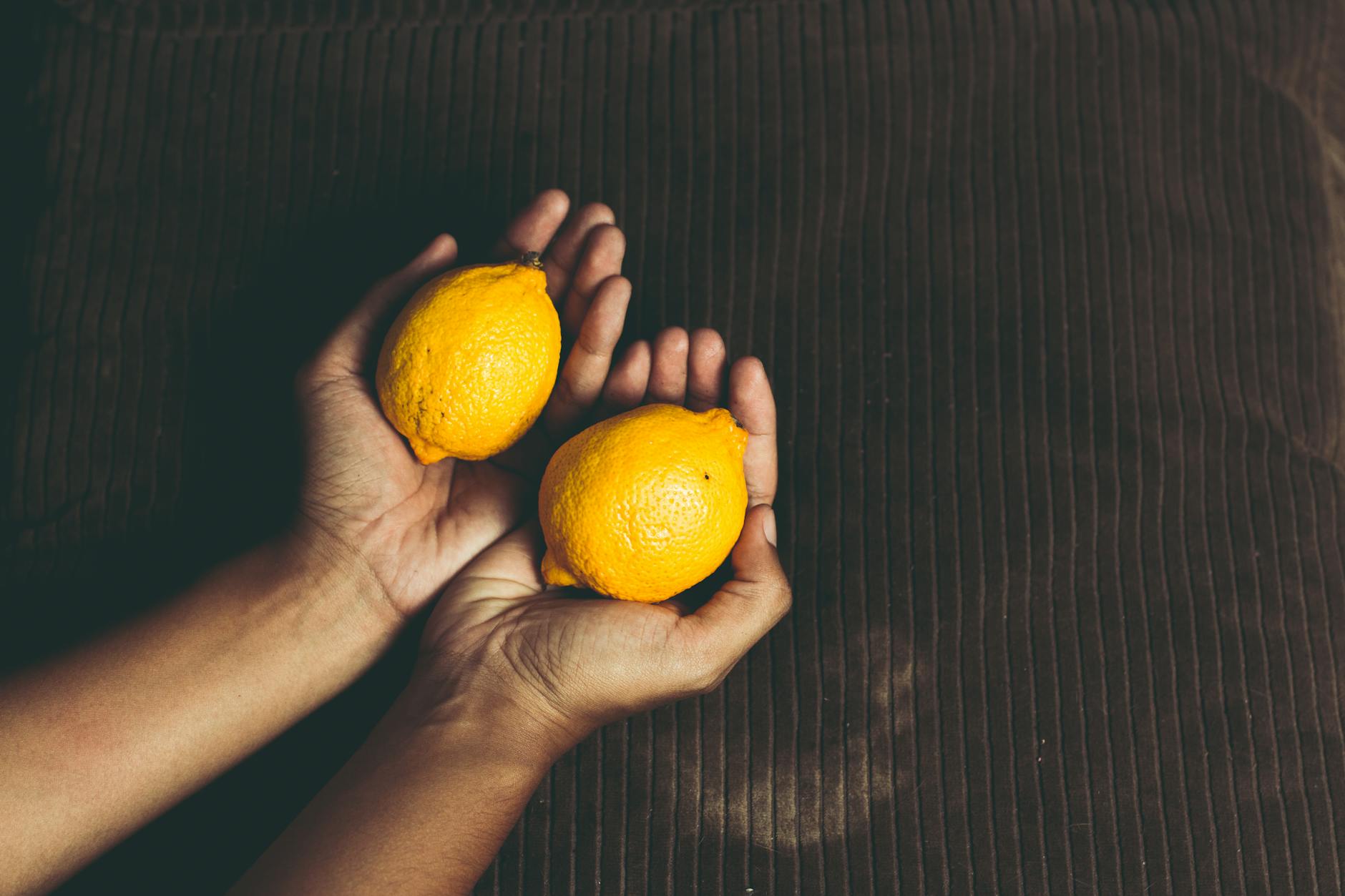
Let's be real about breakups and your body
A breakup doesn't just hurt your heart. It scrambles your relationship to your own body. For months or years, maybe your body was someone else's to touch, to arouse, to satisfy. Now it's just yours again. And that can feel hollow instead of freeing.
Many people describe this phase as a kind of numbness. Not depression exactly, but a disconnection. Your body feels unfamiliar. Touch feels complicated. And the idea of pleasure for pleasure's sake feels almost transgressive.
Here's the thing: that's not broken. That's a normal recalibration.
Why pleasure matters right now
Most healing frameworks focus on the emotional labor of a breakup. Processing anger. Building a new identity. Rediscovering your hobbies. All of that is real and necessary. But there's a parallel somatic journey that often gets skipped.
Your body has memory. For years, it was primed to respond to a particular person's touch, energy, timing. After that person leaves, your nervous system is looking for signals that never come. Your body has learned patterns of desire that no longer serve you.
Self-pleasure isn't frivolous healing. It's rewiring. It's telling your nervous system: "You're safe. You're in control. Your body belongs to you." That's not small.
Lemon vibrators specifically work well during this phase because they're different enough from partnered sex to feel like a totally separate experience, but effective enough that they actually work. You're not trying to replicate what someone else used to do. You're discovering what you enjoy when the stakes are just your own satisfaction.
The shame barrier and why it's bigger after a breakup
Breakups often come with a side order of shame. Maybe the relationship ended badly. Maybe you blame yourself. Maybe you feel pathetic for still wanting pleasure at all.
I've worked with dozens of clients in this phase, and here's what I observe: the shame of solo self-pleasure is often fiercer after a breakup than it's ever been. When you were partnered, pleasure was relational. It was about connection. There was a narrative. Now pleasure is purely for you, and for some reason, that feels harder to justify.
That narrative is worth examining. Why is pleasure that serves two people morally easier than pleasure that serves one? It isn't. But that's the message many of us absorbed.
Lemon vibrators work partly because they're a clean tool. They're not a replacement for a partner. They're not a sign you're desperate or unfixable. They're a medical-grade device designed to help your body do something it's capable of. That framing shifts the shame significantly.
Rebuilding sensation after numbness
Breakup numbness is real. Depression, dissociation, trauma responses to rejection. All of it can flatten sensation. Food tastes muted. Touch feels distant. Your usual sources of pleasure feel out of reach.
The Lem and other lemon clitoral vibrators work through suction and pulse patterns that are intense enough to cut through that numbness without requiring intense direct friction. If you're sensitive, if your tissues are swollen from grief or stress, if you just need something that doesn't feel aggressive, suction-based toys are gentler than traditional vibrators.
Start low. Pattern one. Build slowly. Your nervous system is relearning safety. There's no rush.
What you're actually rebuilding (it's not just pleasure)
When you touch yourself after a breakup, you're practicing three things simultaneously.
1. Bodily autonomy. Your body is yours alone. Not tangled with someone else's needs or timing or preferences. This sounds obvious until you've been in a long relationship. Then it's radical.
2. Self-trust. You're learning what you like when no one else is watching. You're not calibrating your response to someone else's pleasure or performance. You're checking in with yourself: "Does this feel good? Do I want more of this?"
3. Disconnection from the old blueprint. Sex in the partnership had a particular script. Position. Pacing. Timing. Emotional context. Right now, your body is still reaching for that script. Solo self-pleasure rewrites it. It says: "That was then. This is now. You get to decide what pleasure looks like."
That rewriting takes longer than you'd think. Be patient with yourself.
Practical approach: starting again
If self-pleasure has felt off-limits or difficult, here's a realistic onramp.
Week 1-2: No pressure on outcomes. Use a lemon vibrator on the lowest setting just to remind your body what sensation feels like. You're not trying to orgasm. You're just remembering that stimulation feels different from nothing.
Week 3-4: Build curiosity, not performance. Spend time noticing what patterns feel good. You might discover you like intensity you never explored before. You might find that what used to work doesn't anymore. Both are normal.
Week 5+: Permission to enjoy it. This is yours. Your pleasure. Your time. Your body responding to exactly what you want. That's the point.
One note: if self-pleasure triggers intrusive thoughts about the ex or the relationship, that's worth bringing to a therapist. Pleasure shouldn't come wrapped in painful memories. Sometimes that needs professional support to untangle.
The lemon clitoral vibrator as a transitional object
In attachment theory, a transitional object is something that helps a person move through a difficult phase. It's not the solution, but it's a tool that makes the transition manageable.
That's what a lemon vibrator can be in early healing. It's a clean, effective way to start reconnecting with your own pleasure when that feels scary or numb. It requires no partner. It has no history with this relationship. It's a fresh symbol.
You're not trying to replace human connection. You're not settling for a toy. You're using a tool to rebuild your body's sense of agency and pleasure while you figure out everything else.
When pleasure gets complicated
Some people experience guilt during solo self-pleasure after a breakup. It can feel like a betrayal of the relationship that just ended, even though that doesn't make logical sense. Or it can feel desperate. Like you're too broken for partnered sex, so this is what you get now.
Neither of those is true. Self-pleasure isn't a consolation prize. It's a capability. It's part of being a human with a body.
If guilt or shame keeps derailing this, that's a sign to talk to someone. A therapist who specializes in sexuality and relationships can help you sort through what's actually yours and what's inherited shame.
In the meantime, you can use a lemon vibrator to practice something that might feel radical: doing something that feels good, just because it feels good, with no larger narrative attached.
The bigger picture
Breakups are a reset. Your body gets a reset. Your desires get a reset. Your sense of what pleasure means gets a reset. In the thick of heartbreak, that feels like loss. Gradually, it starts to feel like freedom.
Self-pleasure with a tool designed specifically for your body's pleasure is part of that process. It's one way of saying: "I'm here. My body is mine. I get to feel good."
That's not healing. That's the foundation.
Questions people ask
Is it normal to not want self-pleasure after a breakup?
Completely normal. Breakups can flatten desire across the board. If self-pleasure usually feels good and now it feels hollow or complicated, you're probably processing something. Grief makes everything flat. Give yourself time. If the numbness persists for months or worsens, check in with a therapist or doctor.
Can a lemon vibrator actually help with numbness?
A lemon clitoral vibrator can help your nervous system recognize sensation again, especially if traditional vibrators feel too intense. Suction-based stimulation is gentler and often feels novel enough to bypass some of the numbness. That said, if depression or dissociation is severe, pleasure alone won't fix it. You might need other support too.
What if self-pleasure makes me sad or angry?
That's worth noticing. If pleasure triggers feelings about the ex or the relationship, that's your body holding something. It doesn't mean you should avoid self-pleasure. It means those feelings need somewhere to go. Write them down. Tell someone. Let yourself feel them. Then come back to pleasure when you're ready.
How long until self-pleasure feels normal again?
It varies wildly. Some people take weeks. Some take months. Some people find that their pleasure evolves, and what feels normal now is different from before the breakup. That's also fine. There's no timeline.
Is it weird to feel more pleasure alone than I did in the relationship?
Not weird. Instructive. Sometimes a relationship diminishes pleasure because of dynamics, control, or simple incompatibility. Being alone, without those pressures, can actually expand what feels good. That's valuable information about what you need going forward.
Can I use a lemon vibrator if I'm still not over the ex?
Yes. You don't need to be fully healed or totally detached to use a lemon vibrator. You're not being unfaithful to the past relationship. You're building a relationship with your own pleasure. Those are separate.
What comes next
After a breakup, your body is a blank slate. You get to decide what you like. What turns you on. What feels good. How you like to be touched. What pace works. What doesn't.
You get to discover these things without anyone else's preferences in the mix. That's rare. That's a gift, even if it doesn't feel like one right now.
A lemon vibrator can be part of that discovery. It's one tool among many for reconnecting with your own pleasure on your own terms. The point isn't the toy. The point is the practice. The practice of claiming your body as yours.