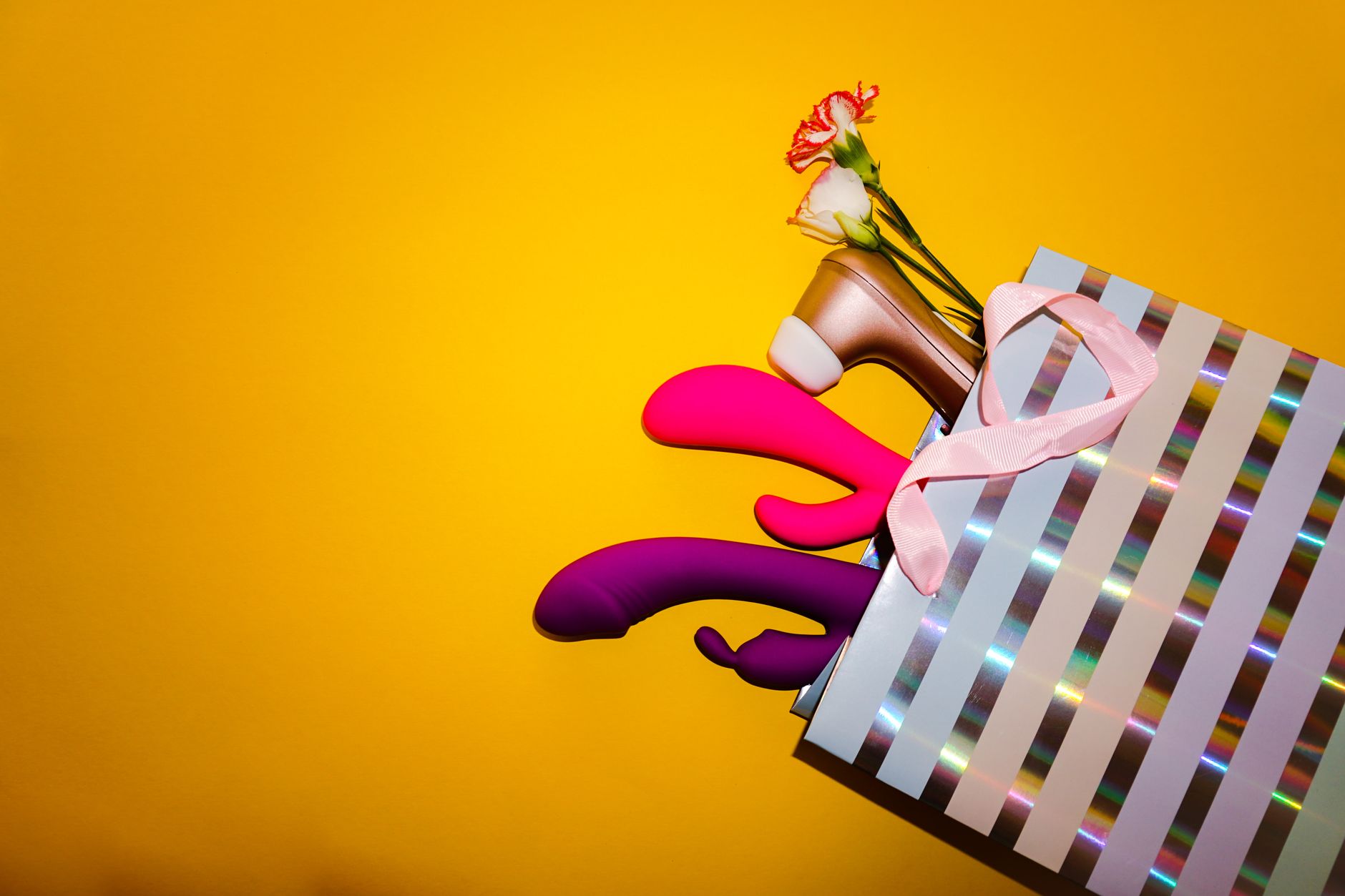
Let's talk about what actually happens
Illness, surgery, medication, or trauma changes how your body responds to touch. That's not weakness or permanent damage most of the time. It's your nervous system recalibrating. But recalibrating doesn't mean sensation disappears forever. It means you need different tools to wake it back up.
I've worked with clients rebuilding pleasure after cancer treatment, major surgery, chronic illness flare-ups, and medication changes. The pattern is always the same: they assume they're broken, they panic, they avoid touch entirely. Then slowly, with the right approach and sometimes the right toy, they realize they're not broken. They're just learning a new language with their body.
How surgery and illness actually affect sensation
Three main pathways get disrupted:
1. Nerve pathways. Surgery near the pelvis, chemotherapy, or spinal issues can temporarily numb or change how nerves fire. This isn't permanent in most cases, but rebuilding nerve sensitivity takes time and consistent gentle stimulation.
2. Blood flow. Illness, deconditioning, or medication can reduce blood flow to the vulva and clitoris. Less blood flow means less plumpness, less engorgement, less responsiveness. It's mechanical, not psychological.
3. Attention and fear. Your brain gets used to avoiding that area. You stop paying attention. You brace against feeling anything. Breaking that loop takes deliberate, patient practice.
The good news: all three can shift with the right approach.
Why lemon vibrators are particularly good for this
Lemon clitoral vibrators like the Lem work differently than traditional vibrators. Instead of vibrational frequency, they use suction and gentle pulsing patterns. Here's why that matters for sensation recovery.
Pattern variation beats intensity. When you're rebuilding nerve sensitivity, varying the sensation pattern (think rhythm shifts, gentle pulses, different modes) activates more neural pathways than a single high-intensity vibration. Your nervous system wakes up faster with novelty.
Suction doesn't require friction. After surgery or during healing, direct pressure or friction can feel wrong. Suction creates stimulation without that mechanical pressure. It's gentler on sensitive tissue while still being potent enough to rebuild sensation.
You can control the intensity granularly. Start at pattern 1. Stay there for weeks if needed. Move to pattern 2 when you're ready. No need to jump to high intensity just because you're worried something isn't "working." Slow rebuilding actually works faster because your nervous system doesn't panic.
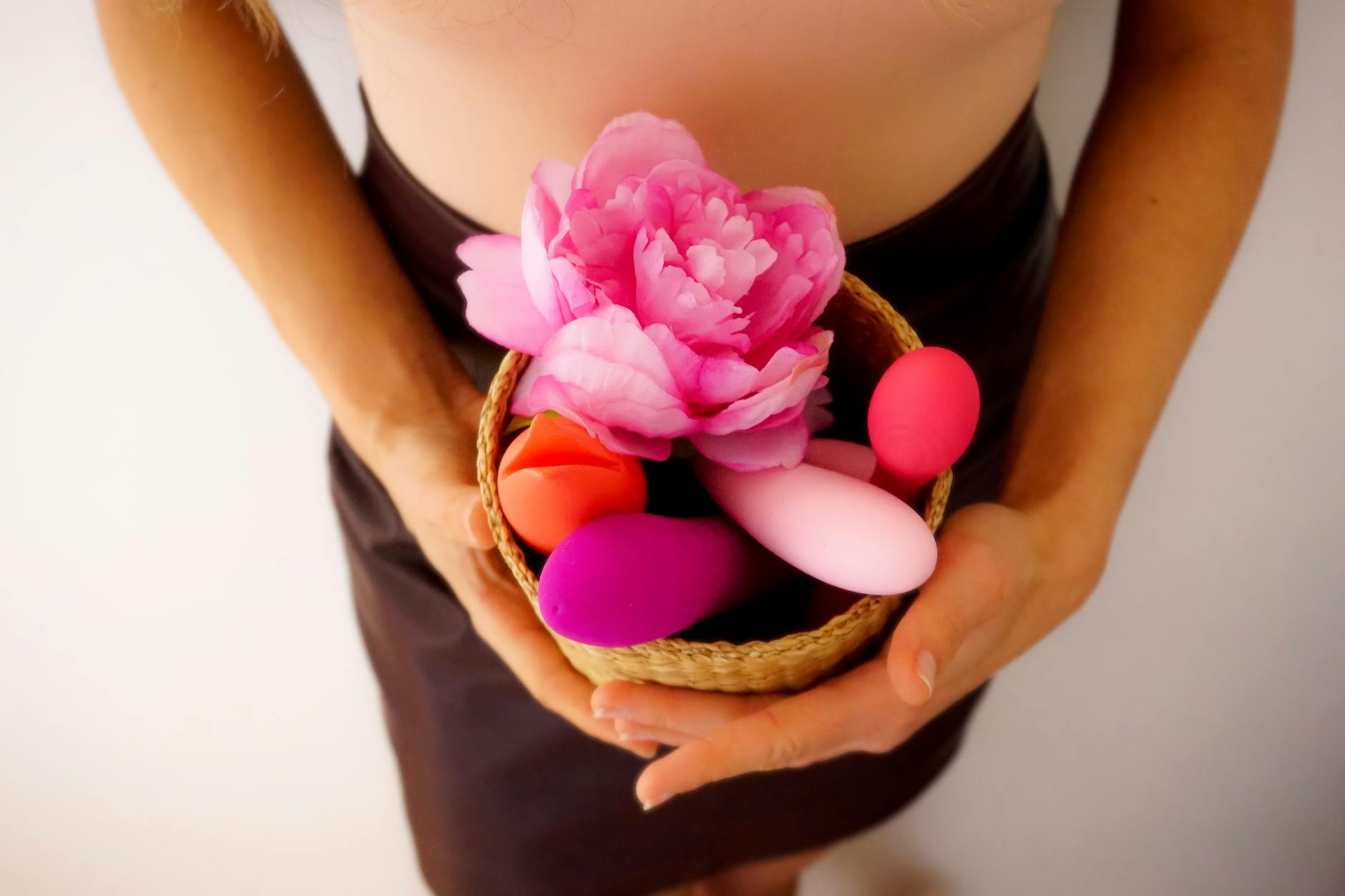
Photo by FounderTips on Pexels
The actual protocol for sensation recovery
I recommend this sequence to almost every client restarting after illness or surgery:
Weeks 1-2: Exploration without expectation.
Use a lemon clitoral vibrator at the lowest setting (pattern 1) for no more than 5 minutes. The goal isn't orgasm. The goal is noticing sensation without judgment. Where do you feel it? Does it feel numb, tingly, distant, sharp, warm? Just observe. Keep a two-line journal entry each time: what you felt, nothing more.
Weeks 3-4: Consistency over intensity.
Same pattern, same duration, but three times per week. Consistency teaches your nervous system that this stimulation is safe and predictable. Neuroscience shows that regular low-intensity input rebuilds nerve pathways faster than sporadic high-intensity bursts.
Weeks 5-6: Pattern rotation.
Start alternating between pattern 1 and pattern 2. Still 5 minutes. You're varying the input so your nervous system learns to recognize different signals. Some patterns will feel better than others. That's useful data.
Week 7 onward: Extend as comfort rises.
If sensation is returning, you can move to 7-10 minutes and explore higher patterns. If progress is slow, stay where you are. Slow progress is still progress.
The timeline varies wildly. Some people rebuild sensation in 6-8 weeks. Others take 4-6 months. Post-surgical patients sometimes need longer. That's all normal. Your body isn't failing. It's healing on its schedule.
What kills the process (and how to avoid it)
Three things derail sensation recovery almost every time.
Expecting the same response as before. Your body is different now. The goal isn't to recreate 2019 pleasure. It's to discover what 2026 pleasure feels like. When you let go of the old benchmark, recovery actually accelerates.
Pushing through pain or numbness. Pain is a stop signal. Numbness is a wait signal. Neither means use more intensity. They mean pause, try again tomorrow. I've seen people add 6 months to their recovery timeline by pushing through instead of honoring their body's actual current capacity.
Using lemon vibrators as a fertility test. If you're only using a lemon clitoral vibrator to check whether you can still orgasm, you're staying in your head. The whole point is getting back into your body. Use it because the sensation itself feels interesting, not because you're grading yourself on performance.
Rebuilding confidence alongside sensation
Here's what most resources miss: sensation recovery and confidence recovery are two different processes. You can have sensation back and still feel scared of it. You can feel numb and simultaneously feel confident that you're doing the right thing.
As sensation returns, you'll likely feel vulnerable. That's normal. Your body was injured or invaded or compromised in some way. Reopening it to pleasure takes emotional courage, not just physical time.
Talk to someone you trust about what you're doing, even if it's just "I'm using a tool to help my body remember how to feel." Shame thrives in silence. Permission and curiosity thrive in the light.
If you have a partner, bring them in slowly. You don't need to perform or prove anything to them. You're rebuilding for yourself. Once you've reclaimed that connection to your own pleasure, sharing it becomes a choice, not a proving ground.
When to check in with a healthcare provider
If numbness hasn't shifted at all after 8-12 weeks of consistent, gentle practice, mention it to your doctor. Some nerve damage takes longer to resolve. Some needs targeted physical therapy. That's not a failure. It's useful information.
If pain appears during gentle stimulation, pause and ask your provider. Pain post-surgery can mean swelling, scar tissue, or nerve issues that need attention. Lemon vibrators work beautifully for most people, but they're not magic for every medical situation.
If you're on new medications and notice sensation changes, that's worth mentioning too. Some meds genuinely do affect nerve function and blood flow. Knowing that isn't a dead end. It's useful context for what your timeline might actually be.
People also ask
How long does it take to rebuild sensation after surgery?
Most people notice shifts within 4-8 weeks of consistent, gentle stimulation. Full sensation recovery can take 3-6 months depending on the surgery type, your healing speed, and how consistently you practice. Some people experience ongoing shifts in sensation for a year or more. That's typical, not a sign something's wrong. Your nervous system takes time to recalibrate.
Can I use a lemon clitoral vibrator if I'm still in pain?
If you're experiencing acute pain, wait until that's resolved before starting gentle sensation work. Once acute pain is gone and your doctor clears you, lemon vibrators are often gentler than other options because suction-based stimulation avoids direct friction. Start at the absolute lowest setting and go slowly. Pain is a stop signal, not something to push through.
Is numbness after surgery permanent?
Not usually. Nerve damage from surgery is often temporary. Nerves regrow and rewire, but it takes time. Some numbness persists long-term, but complete loss of sensation is rare. Consistent gentle stimulation actually speeds up nerve regeneration because it signals to your nervous system that this area is safe to feel again.
Can medication affect my ability to feel pleasure?
Yes. Some medications change blood flow, nerve function, or hormonal balance in ways that affect sensation. If you're on new meds and noticing changes, don't just accept it as permanent. Talk to your prescriber. Sometimes switching timing, dose, or medication entirely can help. Lemon vibrators can help you work through reduced sensation even while you're figuring out the medication piece.
Should I use lubricant with a lemon suction toy during recovery?
Almost always yes. Even if you're lubricating normally, a little extra helps ensure the suction seal is comfortable and prevents any micro-friction. Water-based lube is safest with silicone toys. It also sends a signal to your body: this is gentle, this is care, this is safe. That psychological piece matters as much as the physical one.
What if I'm using a lemon vibrator and sensation isn't coming back?
Stay consistent for at least 12 weeks before concluding anything. Sensation recovery isn't linear. You might feel nothing for 6 weeks, then notice small shifts, then plateau for 3 weeks. That's the nervous system learning. If 12 weeks of consistent, gentle practice hasn't produced any change at all, check with your doctor. Some situations need additional support like pelvic floor physical therapy.
The bottom line
Your body changes. Illness changes it. Surgery changes it. Medication changes it. But changed doesn't mean broken. Changed means you get to learn how to pleasure yourself all over again. For some people, that second chapter is richer than the first one because you're not doing it on autopilot anymore. You're doing it with intention, curiosity, and permission.
Lemon clitoral vibrators work well for sensation recovery because they meet your nervous system where it actually is, not where you wish it was. They offer variation, gentleness, and granular control. Start low. Go slow. Stay consistent. Trust the process.
If you have questions about your specific situation, reach out to us. We're here to help.