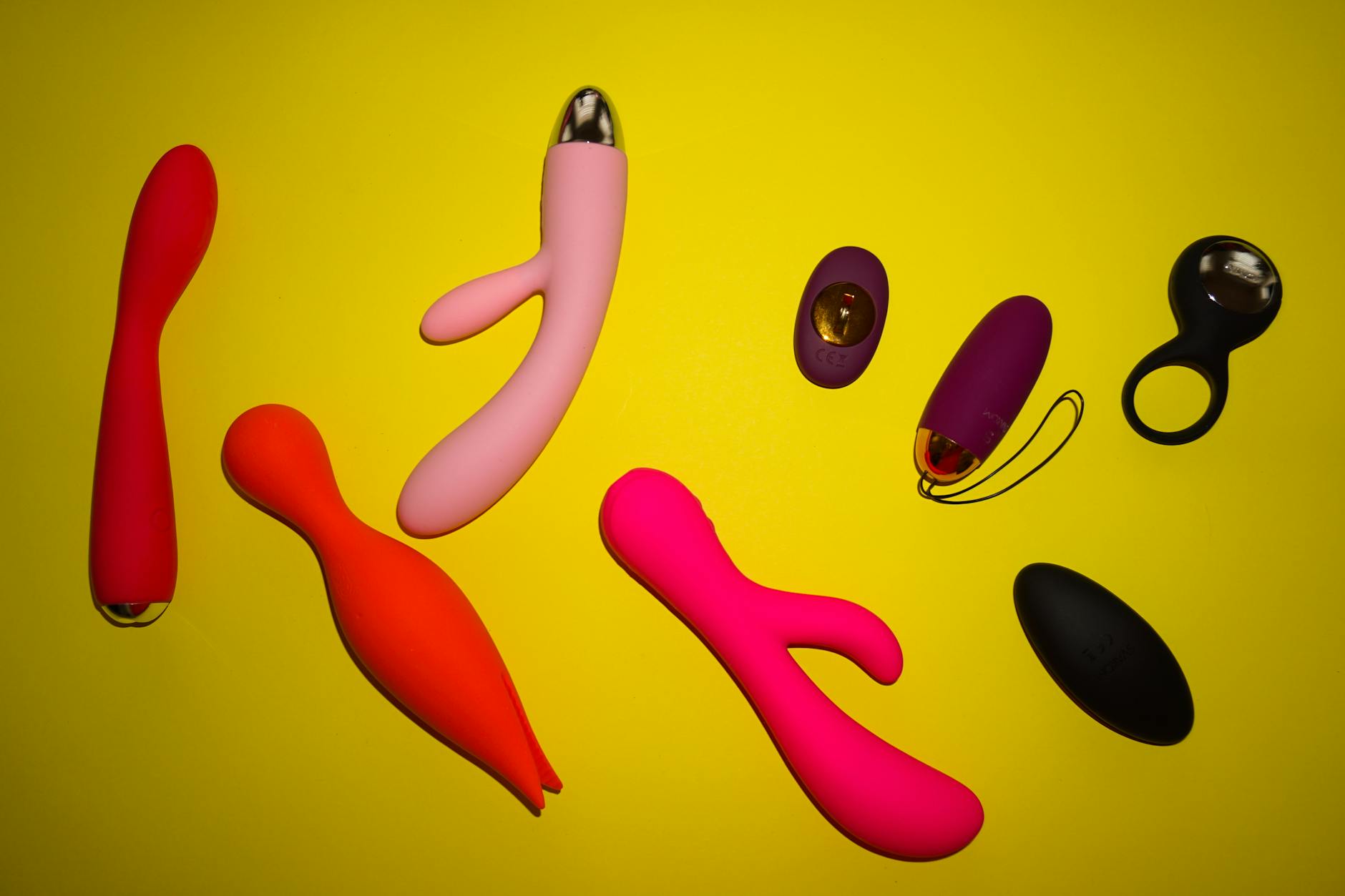
Let's talk about what actually happens
Lemon vibrators change how fast you wake up. Not metaphorically. Your nervous system literally speeds up its response to stimulation when you use air-suction toys regularly. Most people notice this within a few weeks, and it shows up as a kind of sharpened arousal that's harder to switch off once it's on.
The question isn't whether this happens. It does. The real question is what to do about it.
How lemon clitoral vibrators rewire arousal response
When you use a lemon vibrator, you're not just getting more intense sensation. You're training your body to respond to a very specific type of stimulation: rapid, rhythmic suction across a concentrated area. This is neurologically different from friction-based vibration. Your clitoris has about 8,000 nerve endings, and suction activates them in a way that traditional vibrators don't. Your brain learns this pathway. It gets faster at recognizing the signal and faster at responding.
This is called neuroplasticity, and it's not a problem. Your brain and body adapt to repeated sensations. Pianists develop faster finger response. Runners develop faster cardiovascular response. People who use lemon sexual toys regularly develop a faster arousal response.
What changes specifically:
- Time to initial arousal shortens. Instead of needing 10-15 minutes to warm up, many people reach noticeable arousal in 3-5 minutes.
- The arousal curve steepens. You go from zero to engaged faster, with less of a gradual build.
- Sensitivity intensifies. The clitoris becomes more responsive to lighter touch because the neural pathways are more active.
- Recovery speeds up. After orgasm, re-arousal is quicker.
Why this matters in relationships
Here's where the real complexity lives. If you're in a relationship and your partner isn't using the same tool, you've just created an arousal mismatch. You're ready to go in five minutes. They're still thinking about what's for dinner.
This isn't anyone's fault. But it needs naming and navigating.
I've worked with couples where one partner loves their lem vibrator and the other feels like they're being left behind. The faster partner feels impatient. The slower partner feels pressured. Both feel bad. Neither person is wrong about what their body is doing.
Some solutions that actually work:
Separate warm-up time. You use your lemon clitoral vibrator solo for 5-10 minutes before partnered time. This isn't hiding. It's honest about what your body needs. When you come together, you're already activated, and they can join you at their own pace without anyone waiting around feeling awkward.
Introduce the toy together. Many partners worry that introducing a lemon vibrator will be seen as rejection. Usually it's the opposite. When it's framed as "I want to feel amazing with you," most partners are curious. Some want to use it on you. Some want to add their own stimulation alongside it. The arousal mismatch doesn't disappear, but it becomes collaborative instead of isolating.
Adjust expectations about what "ready" means. Faster arousal doesn't mean you're always interested in sex. It means your body wakes up faster when you want it to. That's useful information. You can notice the arousal, appreciate it, and still say "not tonight." Your body isn't running the show unless you let it.
The solo play shift
If you're masturbating with a lemon vibrator, this arousal change often feels fantastic. You know what you want, you get there quickly, the sensation is reliable. There's no negotiation, no waiting, no performance anxiety. Your pleasure is the only thing that matters.
But some people also notice something unexpected: when they don't have the toy, self-pleasure feels slower or less intense. This is a normal adaptation, not a sign that something's broken. Your nervous system got used to a specific input and now other inputs feel less pronounced by comparison.
It's like listening to music through a great speaker system and then trying to get excited about phone speakers. The phone speakers work fine. Your brain just knows what it prefers now.
If you want to maintain responsiveness with other types of stimulation, the answer is actually simple: use varied tools. Mix your lemon sexual toys with your fingers. Try a traditional vibrator occasionally. Explore without any toy. This keeps your nervous system adaptable instead of locked into one pattern.
What happens if you take a break
Missing a few days or weeks with your lem vibrator? Your arousal response doesn't permanently change. This isn't addiction. It's adaptation, and it's reversible. If you step back to only using your fingers for a month, your body's arousal curve will gradually revert to its baseline. You'll need more time to warm up, and that's fine.
The reason this matters is that some people panic. They think they've damaged their capacity for pleasure. They haven't. They've just trained their nervous system, and untrained nervous systems go back to their previous state.
The partnered perspective
If your partner uses lemon clitoral vibrators and you don't, what's the play here? First, stop making it about you. "You've changed" or "You don't need me anymore" are stories your brain is telling, not facts. What's actually happened is that your partner found a tool that works really well for their body. That's good information, not a referendum on your relationship.
Honest question to ask: what do you actually want? Do you want to slow them down so you feel less rushed? Do you want to join what they're doing? Do you want them to spend less time on pleasure overall? Be specific, because vague resentment about "too fast" or "too dependent on the toy" doesn't solve anything.
Many partners find that watching their person use a lemon vibrator is genuinely hot. Many find that adding their own stimulation alongside the toy creates a rhythm that works. Some find that accepting the speed difference actually deepens connection because it removes the pressure for synchronized arousal.
Practical reality check
Let's be clear about what we know and what we don't. We know that regular suction stimulation creates faster arousal response. We don't know if this is permanent, because people don't typically stop using something that works really well and then measure their baseline arousal. Most research on this is observational, not controlled.
What matters more: does the change feel good to you? If faster arousal serves you and your partner is on board, there's zero reason to worry. If it's creating friction, addressing the friction is more important than debating whether the change is "real."
The honest truth is that lemon vibrators, and all clitoral vibrators, do change how your body responds to stimulation. Your nervous system is plastic. It adapts. That's not a flaw. That's how human bodies work.
People also ask
How long does it take for a lemon vibrator to change arousal response?
Most people notice shifts within 2-4 weeks of regular use. That said, "regular" is different for everyone. If you're using your lem vibrator three times a week, changes show up faster than if you're using it once a week. The nervous system adapts based on frequency of input, not calendar time.
Can I reverse the arousal change from using lemon clitoral vibrators?
Yes, absolutely. Stop using the toy and shift back to fingers or partnered stimulation, and your baseline arousal response will gradually return to its previous state. This typically takes 4-8 weeks. It's not permanent, which means you're not locked into anything.
Does using a lemon sexual toy mean I won't enjoy other kinds of stimulation anymore?
Not necessarily. Your nervous system is adaptable in both directions. If you're someone who's become reliant on the specific sensation of suction, mixing in other tools prevents that. Variety keeps your pleasure toolkit diverse. You don't lose the ability to enjoy fingers or traditional vibrators. You might just need a little more time to warm up with those tools.
Why does my partner think I'm addicted to my lemon vibrator?
Because you're using it a lot and you get good results fast. That looks like dependency from the outside, even though it's just preference. The best move is directness: "This toy works really well for my body. It doesn't replace you or our time together. I'm using it because it feels good, not because I'm avoiding something." If the concern persists, couples conversation with someone trained in sex-positive therapy can help.
Does arousal speed affect how satisfied I feel after sex?
Not really. Faster arousal doesn't correlate with better or worse orgasms. Some people who warm up super quickly have intense orgasms. Some have gentle ones. Arousal timing and orgasm quality are separate variables. What matters more is whether the arousal matches the situation you're actually in.
Can I use my lemon vibrator without it changing how I respond to partnered sex?
You can minimize mismatch by being intentional about when and how you use it. If you use your lem vibrator solo and approach partnered sex differently, your body can learn to shift gears. The nervous system is responsive to context. It's not locked into one mode just because you have the toy.
The real takeaway
Your body adapts. That's not a problem. That's evidence that you're paying attention to your pleasure and investing in sensation that feels good. The arousal changes you notice from using lemon vibrators aren't a sign that something's wrong. They're a sign that your nervous system is responsive and trainable.
What matters is whether the change serves your life and your relationships. If it does, there's nothing to worry about. If it's creating friction, the answer isn't to blame the toy. It's to have an honest conversation about what everyone actually needs and to find solutions that work for everyone. That's not just sex advice. That's relationship advice.
If you'd like to explore how to navigate arousal changes in partnership, we're here to talk. Get in touch.
References & sources
Clinical research on clitoral stimulation and neural response: Georgiadis, J. R., & Kringelbach, M. L. (2012). The human sexual response cycle: Brain imaging evidence linking sex to other pleasures. Progress in Neurobiology, 98(3), 49-81.
Neuroplasticity and sensory adaptation: Buonomano, D. V., & Merzenich, M. M. (1998). Cortical plasticity: From synapses to maps. Annual Review of Neuroscience, 21, 149-186.
Suction-based stimulation mechanics: Anderson, R. U., Wise, D., Sawyer, T., & Chan, C. A. (2006). Sexual dysfunction and symptoms of bowel dysfunction. Fertility and Sterility, 86(3), 629-636.