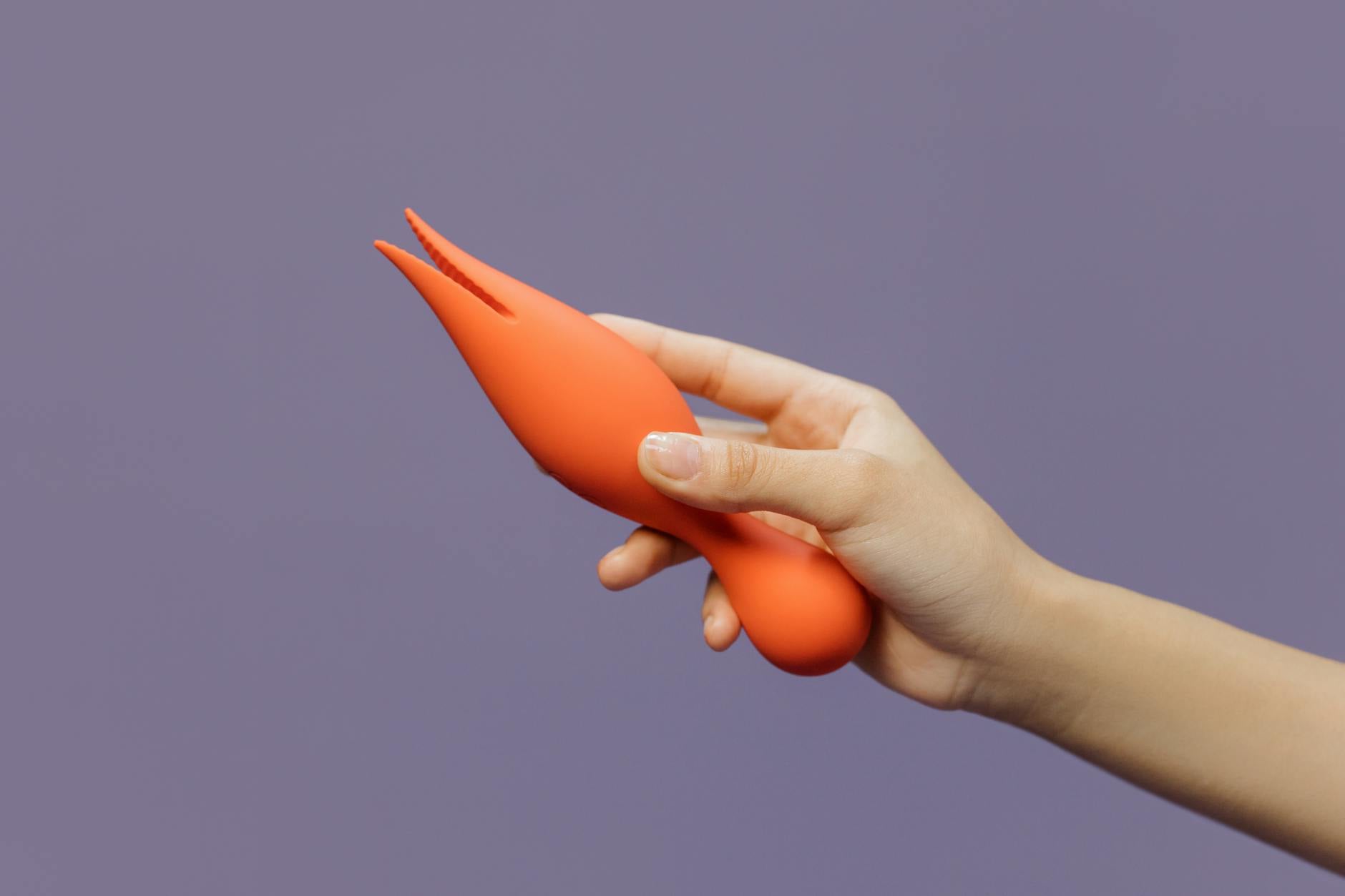
Let's cut straight to it
If you're using a lemon vibrator and sensation feels muted or distant, your first instinct is probably to turn up the intensity. That's backwards. The real fix is almost always lubrication. I know that sounds simple, but it's the difference between a toy that feels like it's working for you and one that just... exists on your skin.
Reduced sensitivity happens to a lot of people. Birth recovery, medication shifts, hormonal changes, age, or just the wear and tear of stress and exhaustion all dull sensation. When that happens, the texture of the contact between your body and a clitoral vibrator matters wildly more than the power setting.
Why lubrication changes the game for reduced sensitivity
Here's the physics part, made simple. When you use your lemon sucker or any lemon vibrator without adequate lubrication, the toy is vibrating against dry or minimally moist skin. That creates friction, which your nervous system reads as irritation first and pleasure second. Your body tenses up protectively. The opposite of what you want.
Lubrication creates a buffer layer. The vibrator glides smoothly, reducing defensive tension and letting your nervous system actually register the sensation as something good instead of something to brace against. For people with reduced sensitivity, this layer is the difference between feeling the vibration clearly and feeling it as a vague rumble somewhere far away.
The lem vibrator and other clitoral vibrators work through suction and pulsing patterns. Both of those mechanisms work better when there's a seal between the toy and your skin, and lubrication makes that seal glide without friction. Without it, you're fighting physics.
The lubrication types that actually work
Not all lube is equal, especially with reduced sensitivity. Here's what matters.
Water-based lube. This is your baseline. It's compatible with silicone toys, washes off easily, and feels closest to your body's natural lubrication. The downside: it dries faster. For reduced sensitivity work, that's actually useful information, not a flaw. You'll notice when you need to reapply, which keeps you in the moment.
Silicone-based lube. Silky, longer-lasting, feels luxurious. The catch: it damages silicone toys over time, so if your lemon vibrator is silicone, water-based is your only option. If you have glass or metal toys, silicone-based is worth trying because the glide lasts longer into a session.
Hybrid lubes. Water and silicone blend. These feel like silicone but are safer for silicone toys. They sit in the middle on staying power. For people experimenting with reduced sensitivity, hybrid is a smart middle ground.
Oil-based lube. Avoid this with silicone toys. Full stop. But if your lem vibrator is glass or stainless steel, oil-based has a lush feel and incredible staying power.
Whatever you pick, generous is better than minimal. This is not a situation where you're rationing a precious resource. More lubrication means less friction means clearer sensation.
How to use lube with your lemon clitoral vibrator for maximum effect
Application matters more than most people think. Here are the steps that actually work.
Start with a small amount on your finger and warm it slightly by rubbing it between your hands. This primes your body and your nervous system for what's coming. It's a signal: this is intentional, this feels good, pay attention.
Apply the lube directly to the toy, not just to your skin. This sounds backwards, but it means the toy is already gliding when it makes contact. Your skin will add more moisture naturally, but the toy starting wet makes the first moments count.
Once you're in contact with your lemon vibrator, you can add more lube mid-session. There's no rule against it. In fact, if you notice sensation fading, that's usually your signal that lubrication has decreased, not that you need more power. Add lube, not intensity.
For people with very reduced sensitivity, warming the lube a touch before application can help your nervous system register it as part of your own body rather than as a foreign thing. Cold lube, no matter how luxe, reads as intrusion. Warm lube reads as intention.
The lubrication and sensitivity feedback loop
Here's something that trips people up. When you use adequate lubrication with your lemon sexual toy or clitoral vibrator, sensation often increases faster than you'd expect. This is because you're not spending your nervous system's energy on managing friction and irritation. All of that attention can go toward registering the actual vibration.
Some people feel more sensation with lube than they ever did without it, even when they used higher power settings before. This is not placebo. It's neurology. Your nervous system doesn't have to defend against irritation, so it can actually listen.
For people working through reduced sensitivity after birth, medication changes, or hormonal shifts, this feedback loop is often the turning point. Lube stops being a workaround and becomes the core of the experience.
Photo by Madison Inouye on Pexels
Common lubrication mistakes with clitoral vibrators
I see these patterns over and over in conversations with people using lemon vibrators for reduced sensitivity.
Mistake one: thinking you need less lube as sensation returns. You don't. Adequate lubrication supports sensation. As things feel better, you might use it differently, but thinning out the lube is usually a step backward.
Mistake two: switching lubes constantly looking for a magic solution. Sensitivity changes take time to improve. Pick a lube, use it consistently for a few weeks, then evaluate. Your nervous system needs consistency to recalibrate.
Mistake three: applying lube only when things feel dry. By then, you've already lost the moment. Apply it preventatively, especially early in a session. You can always use less next time.
Mistake four: thinking lubrication is a band-aid for other problems. Lube is foundational, but if pain shows up rather than just low sensation, that's time to see a healthcare provider. If reduced sensitivity is tied to medication or hormones, that conversation matters too. Lube helps, but it's not the whole solution.
When to pair lubrication with other adjustments
Lubication is the first move, but sometimes it's not the only one. If you're using a lemon vibrator with a partner, you might need to slow down and rebuild that rhythm together. If reduced sensitivity comes from birth recovery, understanding how these toys support pelvic floor health changes the timeline. If you're new to clitoral vibrators, building confidence with the device itself is part of the equation.
Lubrication is the lever, but the other factors are the fulcrum. They work together.
The simplest test
If you're skeptical that lube really matters this much, here's an experiment. Use your lemon clitoral vibrator at a specific power setting with minimal or no lubrication. Notice what you feel. Then, same toy, same power setting, same spot, but this time with a generous amount of water-based lube. The difference will be obvious within seconds. That's not psychology. That's your nervous system having the conditions it needs to actually register what's happening.
Your pleasure matters. The lubrication choice is not a small detail. It's the foundation.
Frequently asked questions
Can I use natural lubrication alone with a lemon vibrator if I have reduced sensitivity?
Not always, and here's why. When sensation is already low, your body might not be producing as much natural lubrication as it once did. Reduced sensitivity and reduced lubrication often travel together. Adding external lube bridges that gap and lets the toy work more effectively. Some people find that as sensation improves with consistent use of adequate lube, their own natural lubrication returns. You're retraining your nervous system to respond.
Will silicone-based lube damage my Hello Nancy lemon vibrator?
Yes, if your lemon toy is silicone. Silicone-based lube breaks down the silicone material over time. Always check your product materials first. Most Hello Nancy clitoral vibrators are silicone, so water-based or hybrid lubes are your safest choices. Silicone lube will shorten the lifespan of your toy noticeably. Not worth it.
How much lube should I actually use with my lemon sucker or lem vibrator?
More than you think. A dime-sized amount on the toy sounds generous but actually disappears quickly. Start with a quarter-sized amount, apply it to the toy, and you can always add more once you're engaged. For people with reduced sensitivity, erring toward too much is much better than too little. Extra lube washes off. Insufficient lube creates friction you can't recover from mid-session.
Does the temperature of the lube matter when using a clitoral vibrator?
Yes, especially for reduced sensitivity. Cold lube signals to your nervous system that something foreign is happening. Warm lube (rubbed between your hands for five seconds) signals that this is part of the experience. Your body registers warmth as intentional and safe. This sounds like a tiny difference, but when sensation is already muted, every signal counts.
Should I reapply lube during a longer session with my lemon vibrator?
Absolutely. As you use your lemon adult toy, the lube layer thins out naturally. When you notice sensation fading or friction increasing, that's your cue. Adding lube mid-session is not a failure of planning. It's part of the experience. Some people find that reapplying lube actually intensifies sensation because the toy glides smoothly again. It's a reset button.
Can using too much lube decrease sensation with a lemon clitoral vibrator?
Not meaningfully, and here's the thing: if sensation drops with excessive lube, the issue is usually that the toy has lost contact or that the lube has become so generous it's created a barrier that mutes vibration intensity. In that case, you'd gently remove excess lube, not avoid lube altogether. For reduced sensitivity specifically, you almost never have "too much" lube. The problem is almost always having too little.
You deserve sensation
Reduced sensitivity is real. It's not in your head, and it's not permanent. Lubrication is one of the most direct tools you have to work with what's happening in your body right now. A good lube, applied generously and consistently, can genuinely change the experience from frustrating to actually pleasurable. That shift often happens faster than people expect, which is its own kind of magic.
Your pleasure matters. The details matter. The lube choice matters. Start there.